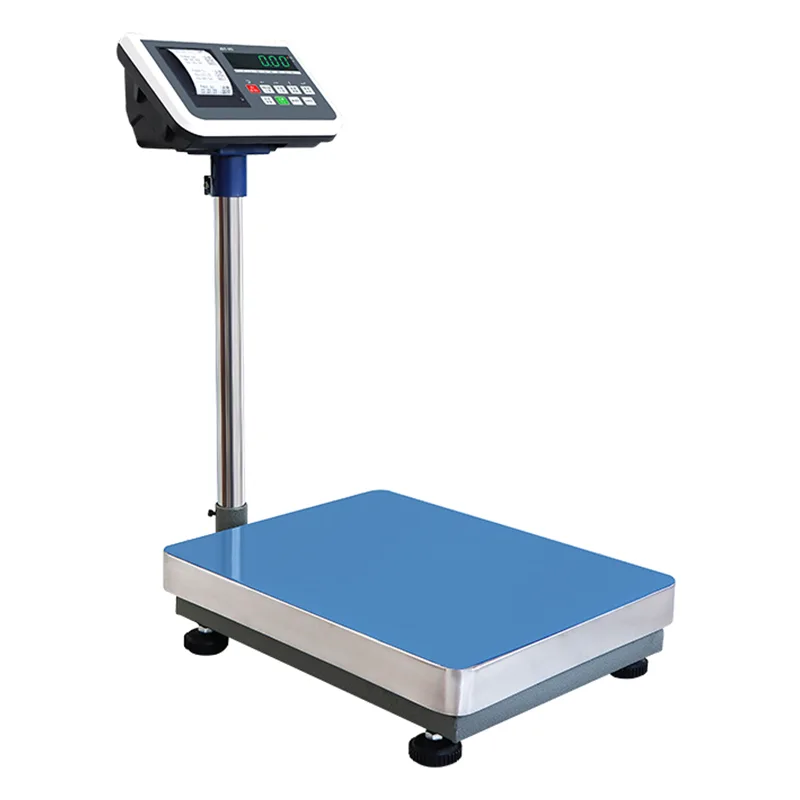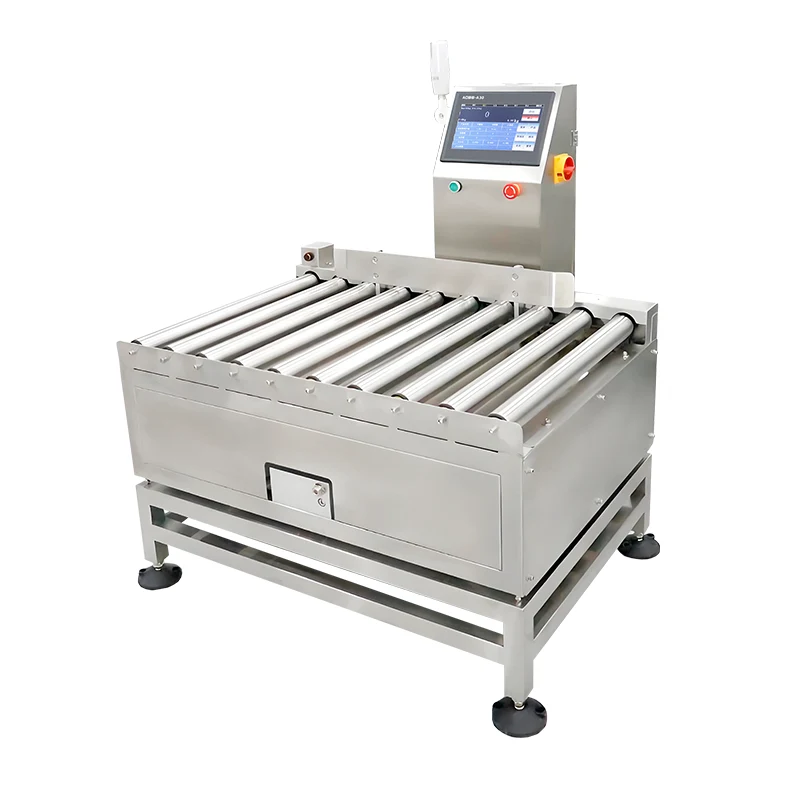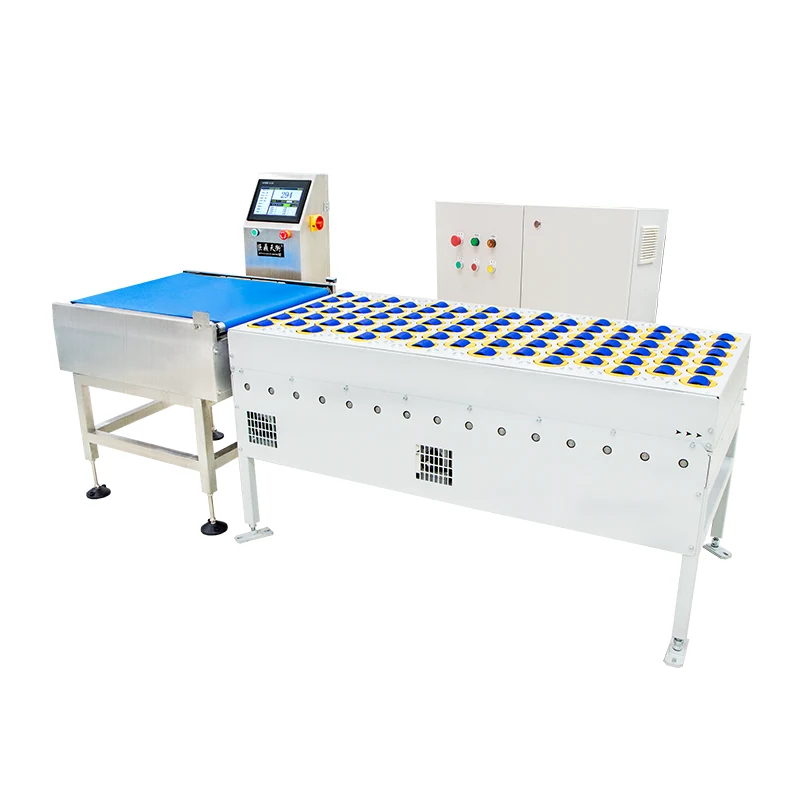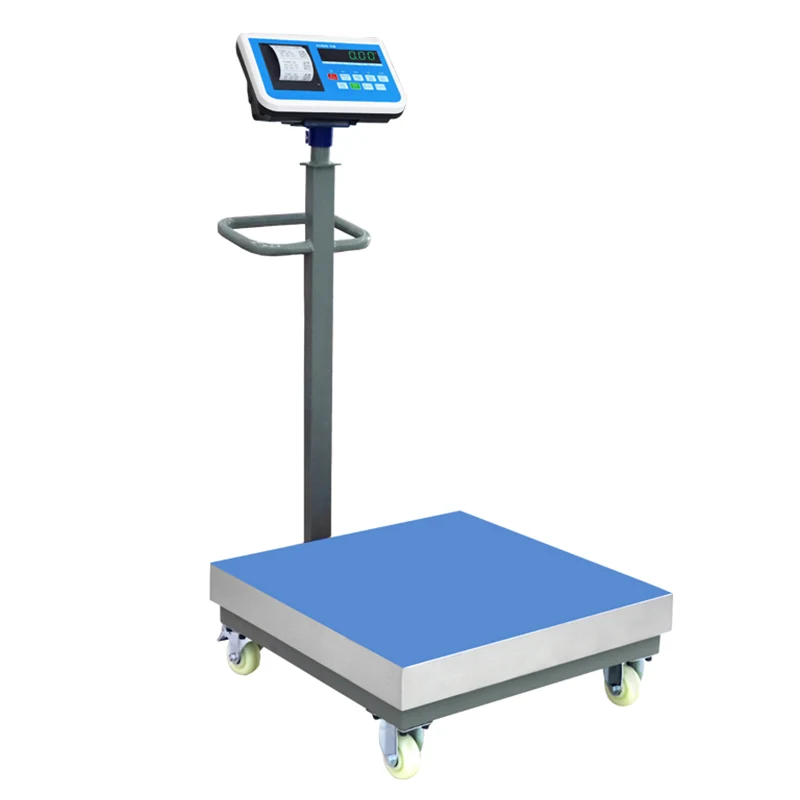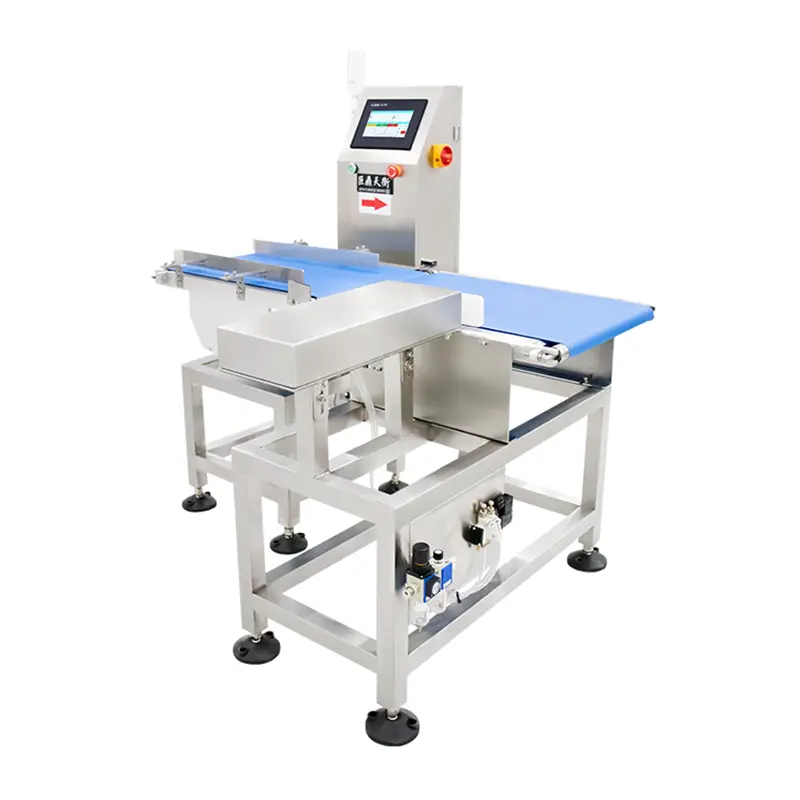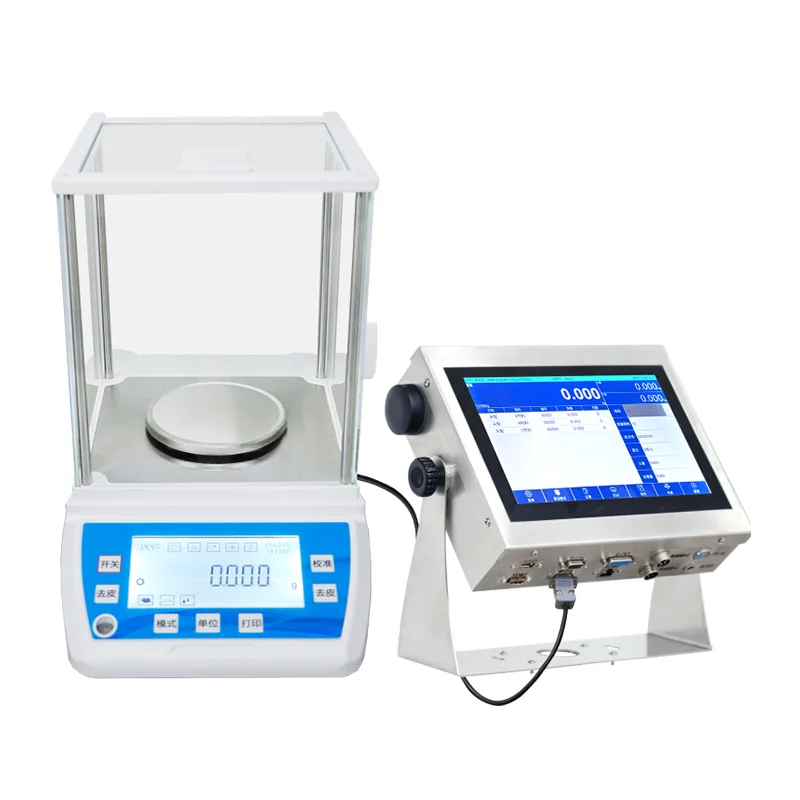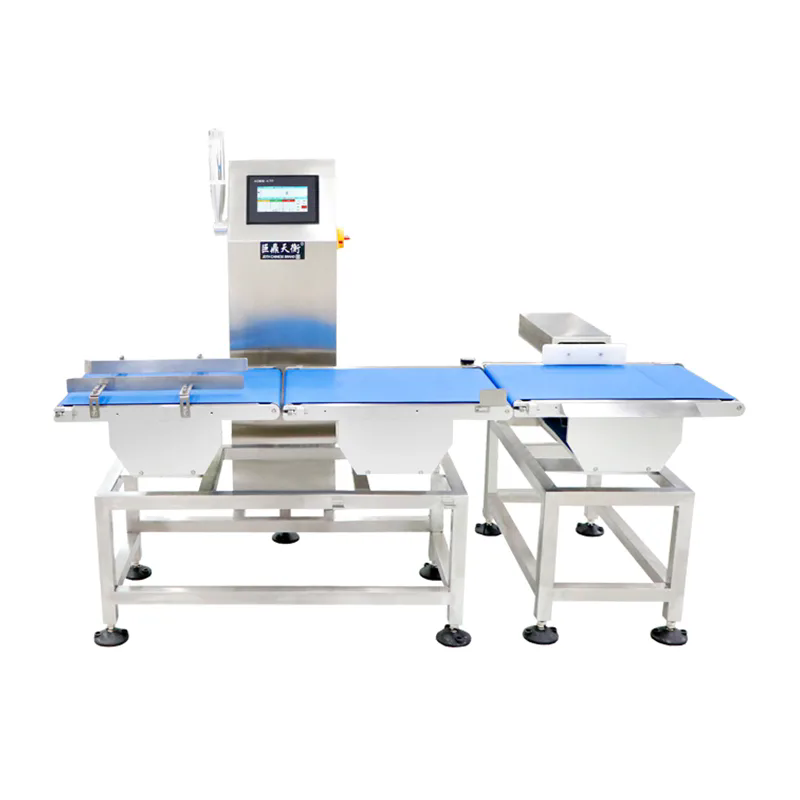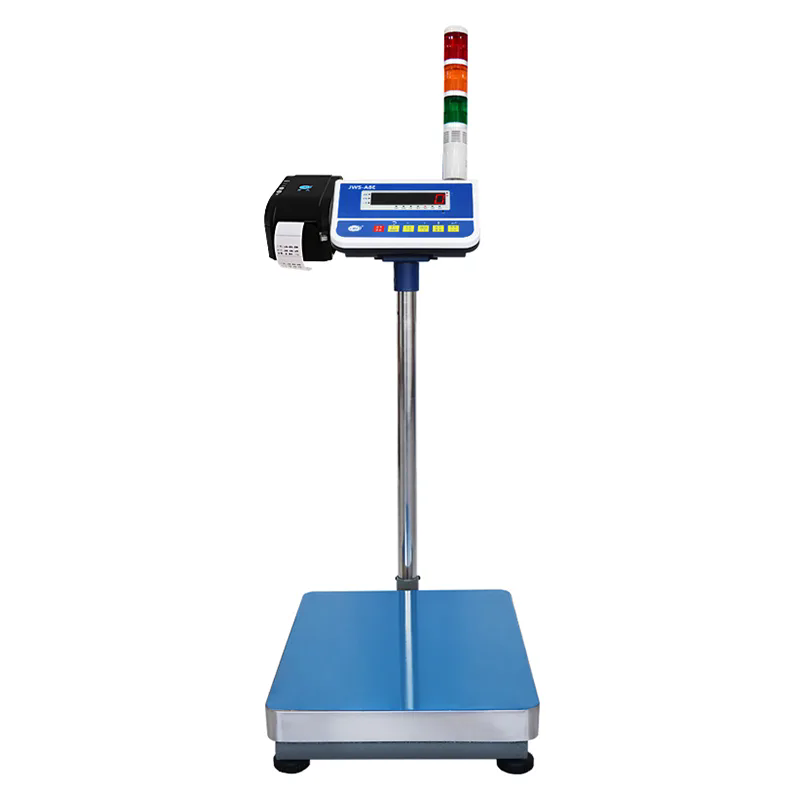
Product Specifications and Capacity: Equipment with larger capacity and higher accuracy generally carries a higher price tag. For example, a lightweight 60kg drum scale may use a standard sensor, while a heavy-duty 2000kg scale requires a high-precision, high-pressure sensor, resulting in a significant cost difference.
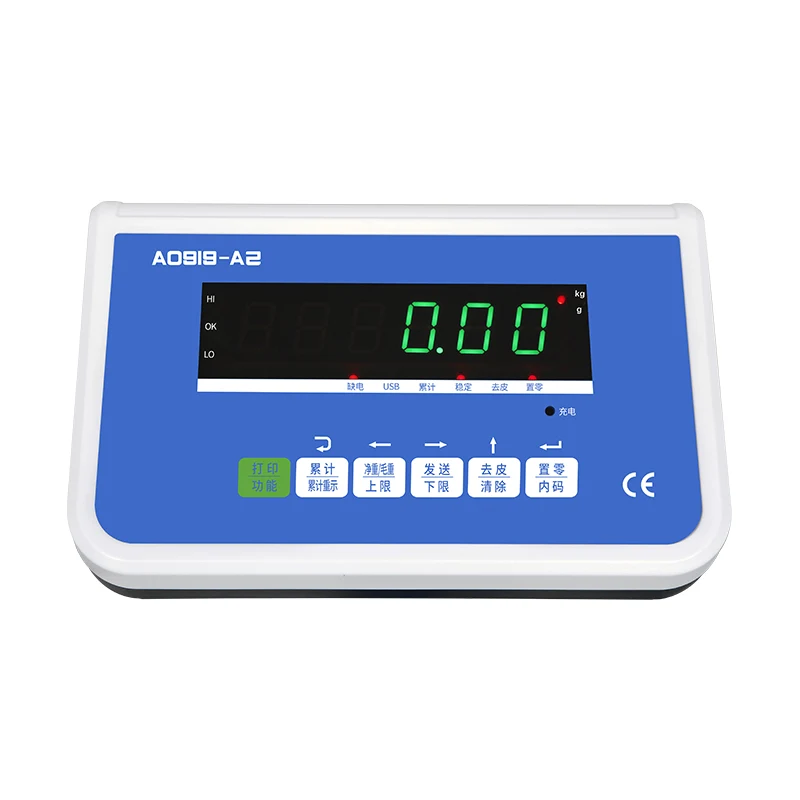
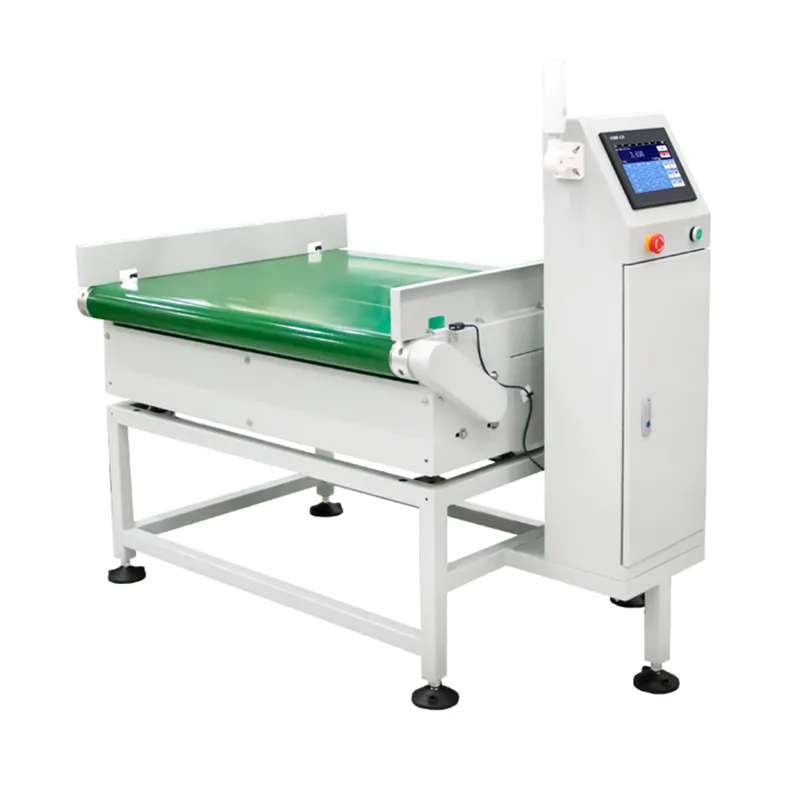
Functional Configuration: Basic models only support weighing, while higher-end models may integrate features such as automatic conveying, three-color alarms, data printing, and Bluetooth transmission, significantly increasing the price. For example, models with Bluetooth transmission can connect to enterprise ERP systems for real-time data upload, and are 40%-60% more expensive than standard models.
Material and Craftsmanship: Carbon steel is inexpensive but has poor corrosion resistance and is suitable for dry environments. Stainless steel offers strong corrosion resistance and is suitable for humid and corrosive environments, but costs 30%-50% more. Furthermore, high-quality steel and a well-designed structure can improve equipment stability and extend its service life, but also carry a correspondingly higher price tag.
Brand and Technology: Leading brands have established a technological barrier by independently developing core technologies such as high-precision sensors and dynamic compensation algorithms, resulting in prices significantly higher than domestic models. Furthermore, brand premiums also influence prices.
We use cookies to offer you a better browsing experience, analyze site traffic and personalize content. By using this site, you agree to our use of cookies.
Privacy Policy