English
- English
- Español
- Português
- русский
- Français
- 日本語
- Deutsch
- tiếng Việt
- Italiano
- Nederlands
- ภาษาไทย
- Polski
- 한국어
- Svenska
- magyar
- Malay
- বাংলা ভাষার
- Dansk
- Suomi
- हिन्दी
- Pilipino
- Türkçe
- Gaeilge
- العربية
- Indonesia
- Norsk
- تمل
- český
- ελληνικά
- український
- Javanese
- فارسی
- தமிழ்
- తెలుగు
- नेपाली
- Burmese
- български
- ລາວ
- Latine
- Қазақша
- Euskal
- Azərbaycan
- Slovenský jazyk
- Македонски
- Lietuvos
- Eesti Keel
- Română
- Slovenski
- मराठी
- Srpski језик

How Electronic Table Scale Improves Accuracy and Efficiency in Modern Weighing Operations
Article Abstract
In today’s fast-paced commercial and industrial environments, precision and efficiency in weighing processes are critical. An Electronic Table Scale has become an essential tool for businesses that require reliable, fast, and accurate measurement of goods. From retail counters to food processing units and logistics hubs, these devices streamline operations, reduce human error, and improve productivity. This article explores how electronic table scales work, their key benefits, common challenges they solve, and how businesses like J-SKY are enhancing weighing technology to meet evolving industry demands.
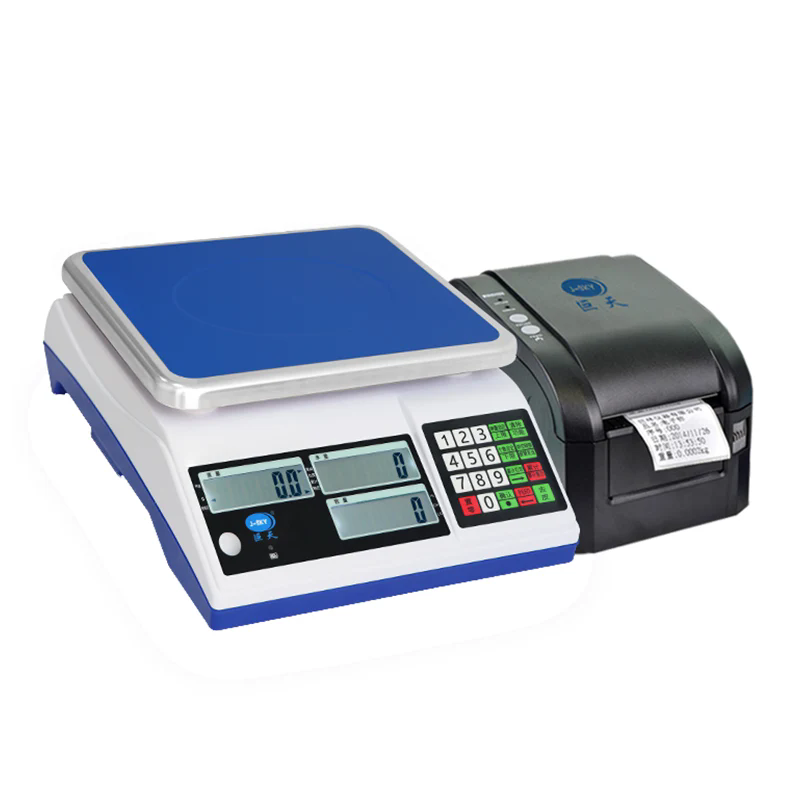
Table of Contents
- 1. Article Outline
- 2. Understanding Electronic Table Scale
- 3. Key Benefits in Industrial and Commercial Use
- 4. Core Features and Technical Advantages
- 5. Comparison Table: Manual vs Electronic Table Scale
- 6. Application Scenarios Across Industries
- 7. Common Challenges and How to Solve Them
- 8. How to Choose the Right Electronic Table Scale
- 9. Frequently Asked Questions
- 10. Final Thoughts and Contact
Article Outline
- Definition and working principle of electronic table scales
- Core advantages in accuracy, speed, and usability
- Comparison with traditional weighing systems
- Industrial applications and real-world usage
- Selection criteria for businesses
- Frequently asked customer concerns and solutions
Understanding Electronic Table Scale
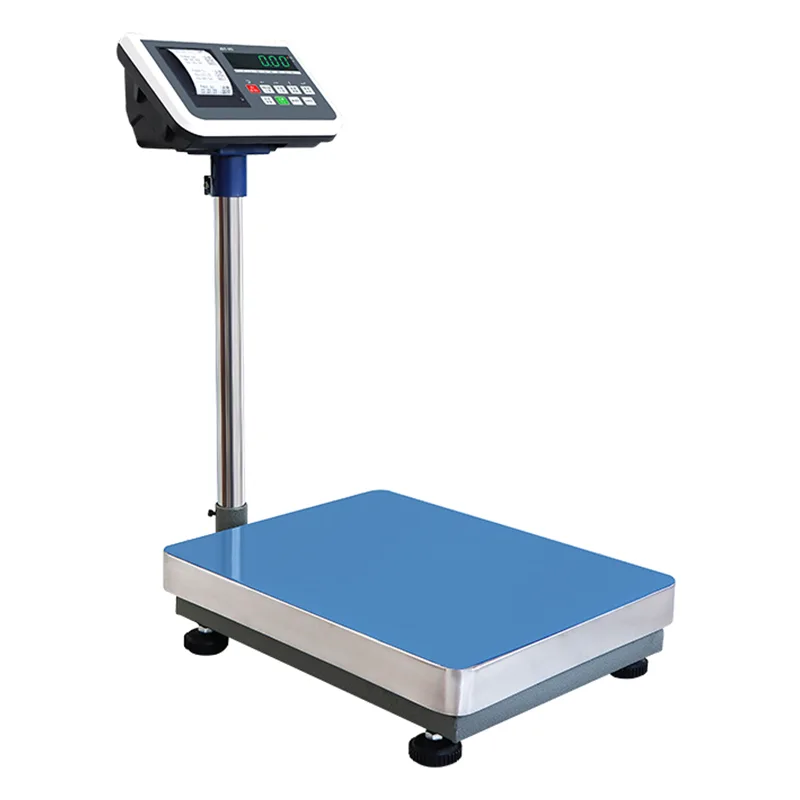
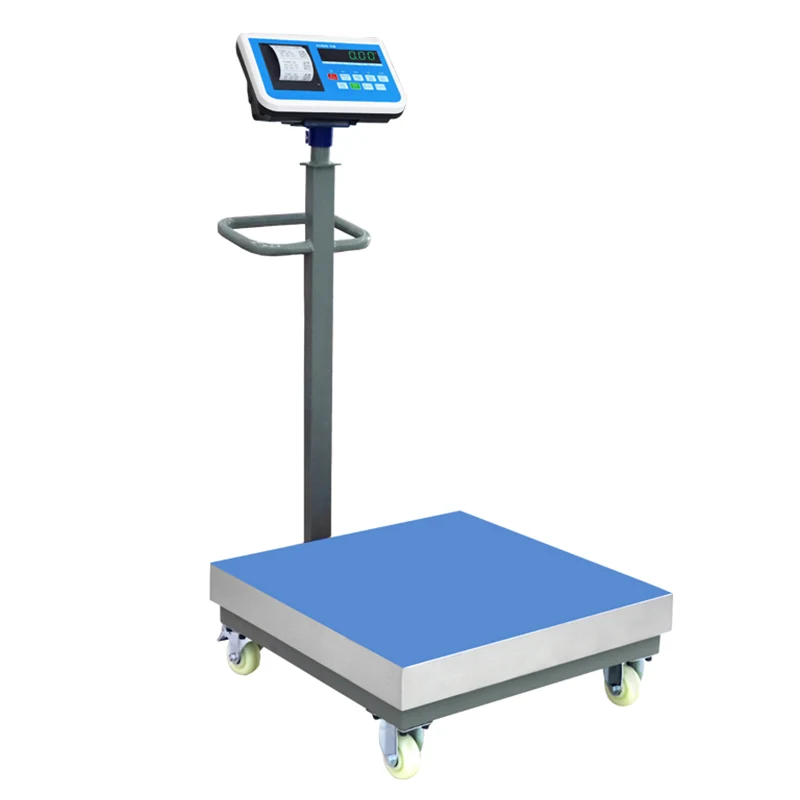
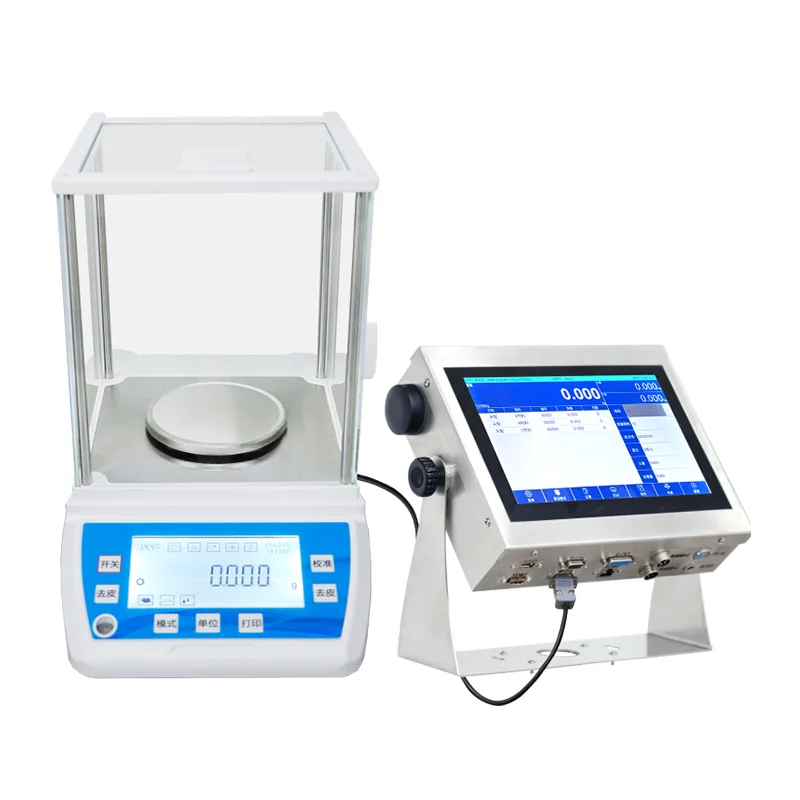
An Electronic Table Scale is a compact weighing device designed for precision measurement of small to medium-sized items. It operates using load cell sensors that convert force into electrical signals, which are then displayed digitally. Unlike traditional mechanical scales, electronic versions eliminate guesswork and deliver consistent accuracy.
Modern industries rely on these scales not only for weighing but also for inventory control, packaging verification, and quality assurance. The adoption of advanced solutions from manufacturers such as J-SKY has significantly improved operational reliability across sectors.
Key Benefits in Industrial and Commercial Use
- High Accuracy: Ensures precise measurements with minimal deviation.
- Time Efficiency: Reduces manual calculation and speeds up workflow.
- User-Friendly Interface: Simple digital displays improve usability.
- Durability: Built for long-term industrial use.
- Portability: Compact design suitable for various environments.
Core Features and Technical Advantages
Electronic table scales come with advanced features that improve operational performance:
- High-precision load cells
- LCD or LED digital display
- Auto calibration systems
- Multiple unit conversions (kg, lb, oz)
- Overload protection systems
Companies like J-SKY integrate intelligent calibration and stable sensor technology to ensure consistent output even in demanding environments.
Comparison Table: Manual vs Electronic Table Scale
| Feature | Manual Scale | Electronic Table Scale |
|---|---|---|
| Accuracy | Moderate, prone to human error | High precision digital measurement |
| Speed | Slow and manual reading | Instant digital output |
| Maintenance | Frequent calibration needed | Low maintenance requirements |
| Data Handling | No data storage | Digital storage and export options |
Application Scenarios Across Industries
Electronic table scales are widely used in multiple industries:
- Retail: Pricing and packaging small goods
- Food Industry: Ingredient measurement and portion control
- Logistics: Parcel weighing and shipping accuracy
- Laboratories: Precision chemical measurements
- Manufacturing: Quality control in production lines
Solutions provided by J-SKY are designed to adapt to these diverse environments, ensuring consistency and reliability.
Common Challenges and How to Solve Them
While electronic table scales offer many advantages, users may encounter certain challenges:
- Calibration Drift: Regular calibration ensures accuracy.
- Environmental Factors: Avoid extreme humidity or vibration.
- Power Issues: Use stable power sources or backup batteries.
Choosing a reliable manufacturer such as J-SKY reduces these risks significantly due to improved engineering standards.
How to Choose the Right Electronic Table Scale
When selecting an electronic table scale, consider the following:
- Maximum weight capacity required
- Precision level needed for operations
- Display readability and interface design
- Durability and build material
- After-sales support and calibration services
For professional-grade solutions, J-SKY offers a range of electronic table scales tailored for different industries and operational needs.
Frequently Asked Questions
Q1: What is the main advantage of an electronic table scale?
It provides highly accurate and fast digital measurements compared to manual scales.
Q2: Can electronic table scales be used in harsh environments?
Yes, industrial-grade models from brands like J-SKY are designed for durability and stability.
Q3: How often should calibration be done?
It depends on usage frequency, but regular monthly or quarterly checks are recommended.
Q4: Are electronic table scales energy efficient?
Yes, most models consume low power and often include auto-sleep features.
Final Thoughts and Contact
The Electronic Table Scale is no longer just a simple weighing device—it is a critical component of modern operational efficiency. Its precision, speed, and adaptability make it indispensable across industries ranging from retail to manufacturing. With continuous innovation from companies like J-SKY, businesses can achieve higher productivity and improved quality control.
For high-performance weighing solutions tailored to your business needs, J-SKY provides advanced electronic table scales designed for reliability and long-term value.
Contact us today to explore how J-SKY can support your weighing system upgrades and help you achieve greater operational efficiency.
Related News
- Technical Features of Weighing Machines.
- Electronic Table Scale Overview.
- The core reason for the price difference in drum checkweighers.
- What is High Speed Checkweigher: How It Works and Why It Matters in Modern Manufacturing
- How Does an Electronic Weighbridge Improve Industrial Efficiency?
- How Does an Electronic Platform Scale Improve Accuracy and Efficiency in Modern Weighing?
Leave me a message