English
- English
- Español
- Português
- русский
- Français
- 日本語
- Deutsch
- tiếng Việt
- Italiano
- Nederlands
- ภาษาไทย
- Polski
- 한국어
- Svenska
- magyar
- Malay
- বাংলা ভাষার
- Dansk
- Suomi
- हिन्दी
- Pilipino
- Türkçe
- Gaeilge
- العربية
- Indonesia
- Norsk
- تمل
- český
- ελληνικά
- український
- Javanese
- فارسی
- தமிழ்
- తెలుగు
- नेपाली
- Burmese
- български
- ລາວ
- Latine
- Қазақша
- Euskal
- Azərbaycan
- Slovenský jazyk
- Македонски
- Lietuvos
- Eesti Keel
- Română
- Slovenski
- मराठी
- Srpski језик

How Does an Electronic Platform Scale Improve Accuracy and Efficiency in Modern Weighing?
Abstract
Electronic platform scales have become essential tools across industries such as logistics, manufacturing, agriculture, and retail. Businesses often struggle with inaccurate measurements, slow manual processes, and inconsistent data tracking. This article explores how an electronic platform scale works, how it addresses these challenges, and why it is a critical investment for improving operational efficiency and measurement precision.
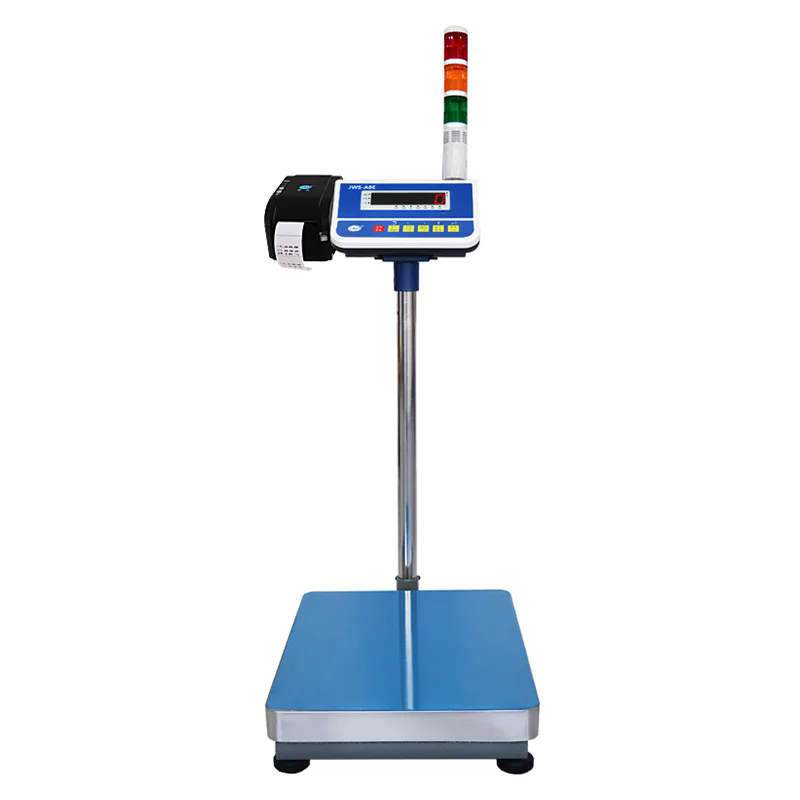
Table of Contents
- 1. What Is an Electronic Platform Scale?
- 2. How Does an Electronic Platform Scale Work?
- 3. Key Components and Their Functions
- 4. Common Customer Pain Points Solved
- 5. Applications Across Industries
- 6. Key Benefits and Performance Advantages
- 7. How to Choose the Right Platform Scale
- 8. Comparison Table of Scale Types
- 9. Maintenance and Calibration Tips
- 10. Frequently Asked Questions (FAQ)
1. What Is an Electronic Platform Scale?
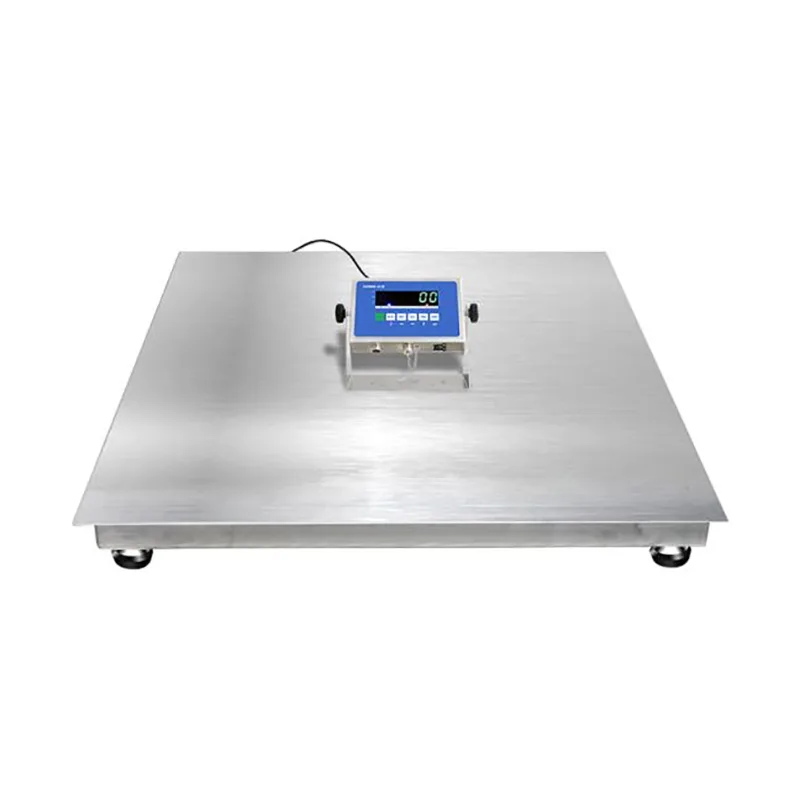
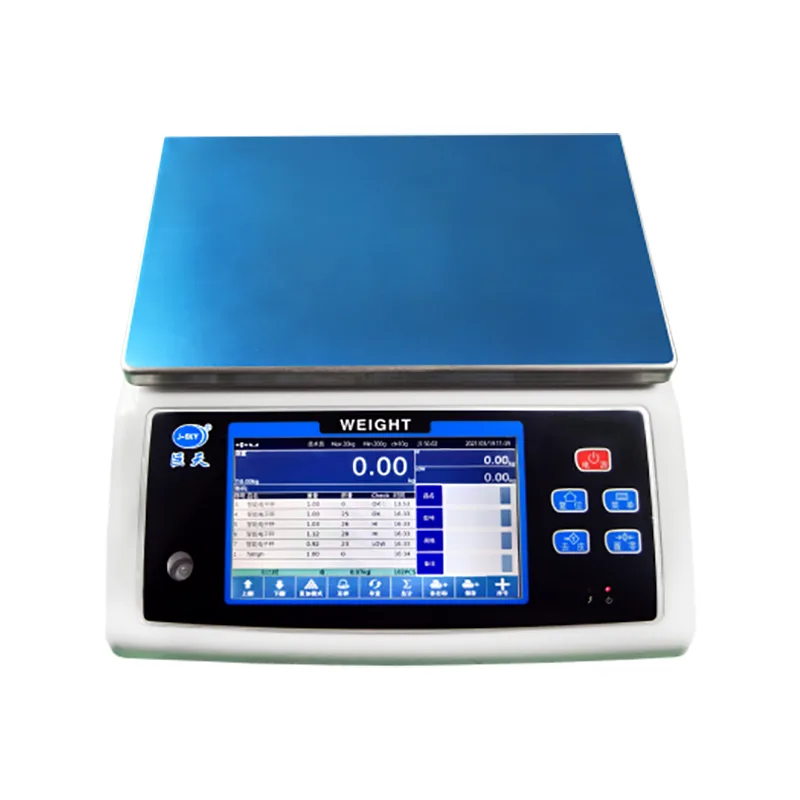
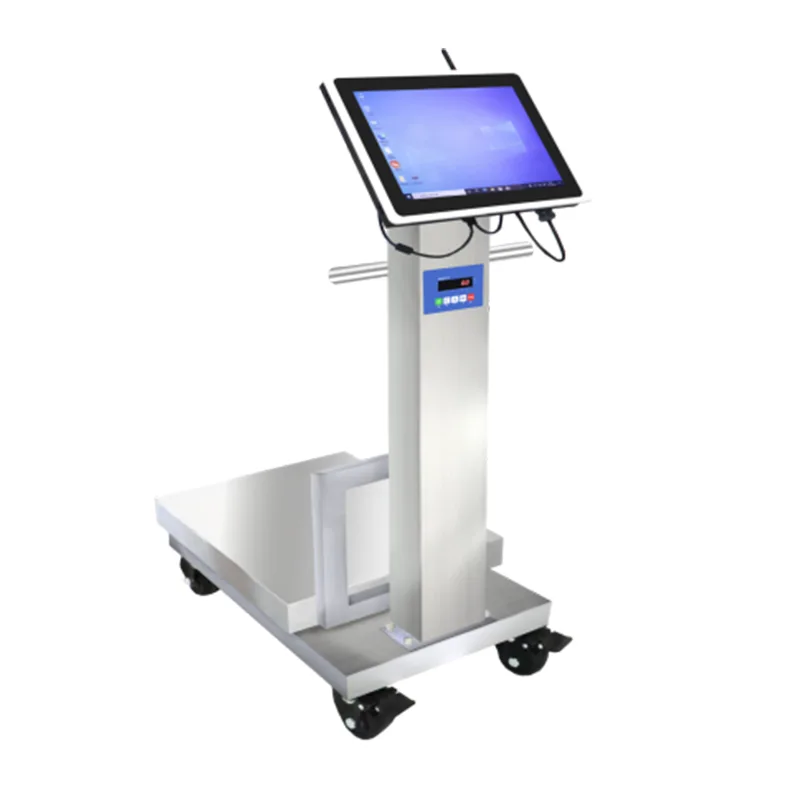
An electronic platform scale is a weighing device designed with a flat surface (platform) and integrated digital sensors to measure the weight of objects accurately. Unlike traditional mechanical scales, it uses electronic load cells to convert force into measurable electrical signals.
These scales are widely used for weighing heavy or bulky items, offering high precision, durability, and digital output capabilities.
2. How Does an Electronic Platform Scale Work?
The working principle of an electronic platform scale is based on load cell technology. When an object is placed on the platform, the following process occurs:
- The load cell experiences deformation due to applied weight
- This deformation generates an electrical signal
- The signal is amplified and converted into a digital value
- The result is displayed on a digital indicator
This process ensures fast, consistent, and highly accurate measurements, eliminating human error associated with manual weighing.
3. Key Components and Their Functions
| Component | Function |
|---|---|
| Load Cell | Converts weight into electrical signals |
| Weighing Platform | Surface where items are placed |
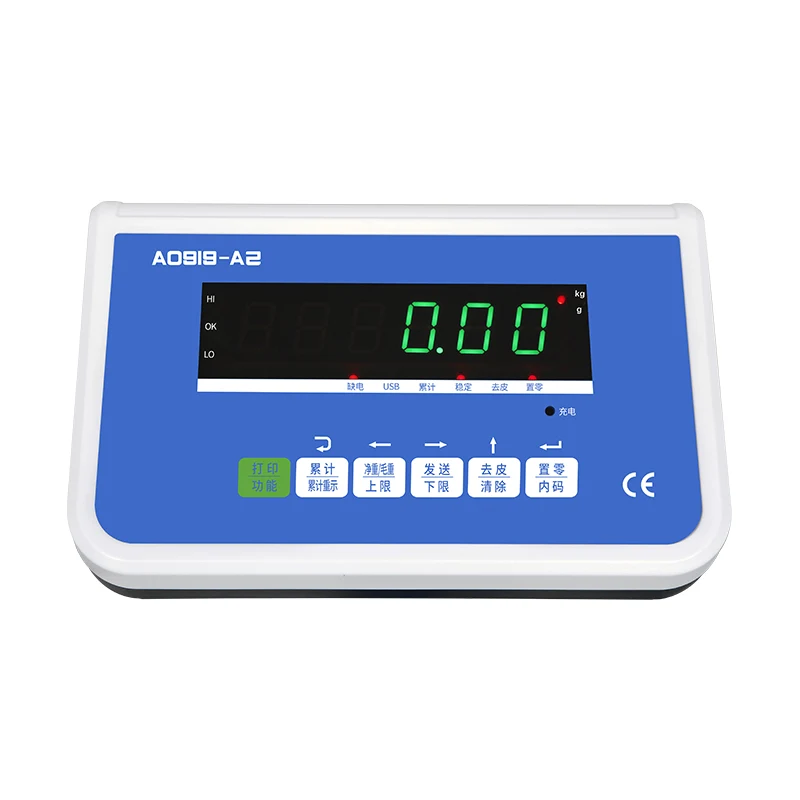
| Indicator Display | Shows weight readings digitally |
| Junction Box | Connects multiple load cells |
| Power Supply | Provides energy for operation |
4. Common Customer Pain Points Solved
Many businesses encounter issues when using outdated or low-quality weighing systems. Electronic platform scales effectively solve these challenges:
- Inaccurate Measurements: High-precision sensors ensure consistent results
- Time-Consuming Processes: Instant digital readings speed up operations
- Manual Recording Errors: Integration with software enables automatic data logging
- Durability Issues: Robust materials withstand heavy industrial use
- Limited Functionality: Advanced features like counting, tare, and data transmission
5. Applications Across Industries
Electronic platform scales are versatile and widely used in various sectors:
- Logistics and warehousing for cargo weighing
- Manufacturing for raw material measurement
- Agriculture for produce and livestock weighing
- Retail for bulk product transactions
- Food processing for portion control
Companies like Jiangsu Jutian Weighing Equipment Co., Ltd. provide specialized solutions tailored to these industries, ensuring optimal performance in diverse environments.
6. Key Benefits and Performance Advantages
- High accuracy with minimal deviation
- Fast response time for efficient workflow
- User-friendly digital interface
- Strong load-bearing capacity
- Integration with ERP and management systems
These advantages make electronic platform scales a critical asset for businesses aiming to improve productivity and reduce operational costs.
7. How to Choose the Right Platform Scale
Selecting the appropriate scale depends on several factors:
- Capacity: Maximum weight requirement
- Platform Size: Dimensions suitable for your goods
- Accuracy Level: Required precision for your application
- Environment: Indoor, outdoor, or harsh conditions
- Connectivity: Need for data integration or wireless transmission
Careful evaluation ensures that the scale meets both current and future operational needs.
8. Comparison Table of Scale Types
| Type | Accuracy | Best Use Case | Durability |
|---|---|---|---|
| Mechanical Scale | Low | Basic weighing | Moderate |
| Electronic Platform Scale | High | Industrial and commercial | High |
| Bench Scale | Medium | Small items | Medium |
9. Maintenance and Calibration Tips
- Perform regular calibration to maintain accuracy
- Keep the platform clean and free from debris
- Avoid overloading beyond capacity
- Inspect load cells periodically
- Ensure stable and level installation
Proper maintenance extends the lifespan of the equipment and ensures consistent performance.
10. Frequently Asked Questions (FAQ)
Q1: What is the typical lifespan of an electronic platform scale?
With proper maintenance, most scales can last 5–10 years or more depending on usage conditions.
Q2: Can these scales be used outdoors?
Yes, many models are designed with waterproof and dustproof features for outdoor environments.
Q3: How often should calibration be performed?
Calibration frequency depends on usage, but typically every 3–6 months is recommended.
Q4: Is integration with software systems possible?
Yes, modern electronic platform scales support data connectivity for seamless integration.
Q5: What industries benefit the most?
Logistics, manufacturing, agriculture, and retail industries benefit significantly from improved accuracy and efficiency.
Conclusion
Electronic platform scales are more than just weighing tools—they are essential systems that enhance operational accuracy, efficiency, and data reliability. By investing in high-quality solutions from trusted manufacturers like Jiangsu Jutian Weighing Equipment Co., Ltd., businesses can streamline processes and reduce costly errors.
If you are looking to upgrade your weighing system and improve your operational performance, now is the right time to take action—contact us today to find the perfect electronic platform scale solution tailored to your needs.
Related News
- Technical Features of Weighing Machines.
- Electronic Table Scale Overview.
- The core reason for the price difference in drum checkweighers.
- What is High Speed Checkweigher: How It Works and Why It Matters in Modern Manufacturing
- How Electronic Table Scale Improves Accuracy and Efficiency in Modern Weighing Operations
- How Does an Electronic Weighbridge Improve Industrial Efficiency?
Leave me a message