English
- English
- Español
- Português
- русский
- Français
- 日本語
- Deutsch
- tiếng Việt
- Italiano
- Nederlands
- ภาษาไทย
- Polski
- 한국어
- Svenska
- magyar
- Malay
- বাংলা ভাষার
- Dansk
- Suomi
- हिन्दी
- Pilipino
- Türkçe
- Gaeilge
- العربية
- Indonesia
- Norsk
- تمل
- český
- ελληνικά
- український
- Javanese
- فارسی
- தமிழ்
- తెలుగు
- नेपाली
- Burmese
- български
- ລາວ
- Latine
- Қазақша
- Euskal
- Azərbaycan
- Slovenský jazyk
- Македонски
- Lietuvos
- Eesti Keel
- Română
- Slovenski
- मराठी
- Srpski језик

What Is an Electronic Table Scale and How Can It Improve Your Weighing Operations?
Electronic Table Scale is a precise digital weighing solution widely used in manufacturing, logistics, retail, laboratories, and food processing to measure item weight accurately and quickly. This comprehensive blog covers everything from what an Electronic Table Scale is to how to select the best model for your application.
This article dives deep into Electronic Table Scales — digital weighing instruments vital for accurate weight measurement across industries. You’ll learn definitions, working mechanisms, applications, key features, buying guides, comparisons, common troubleshooting, and essential FAQs.
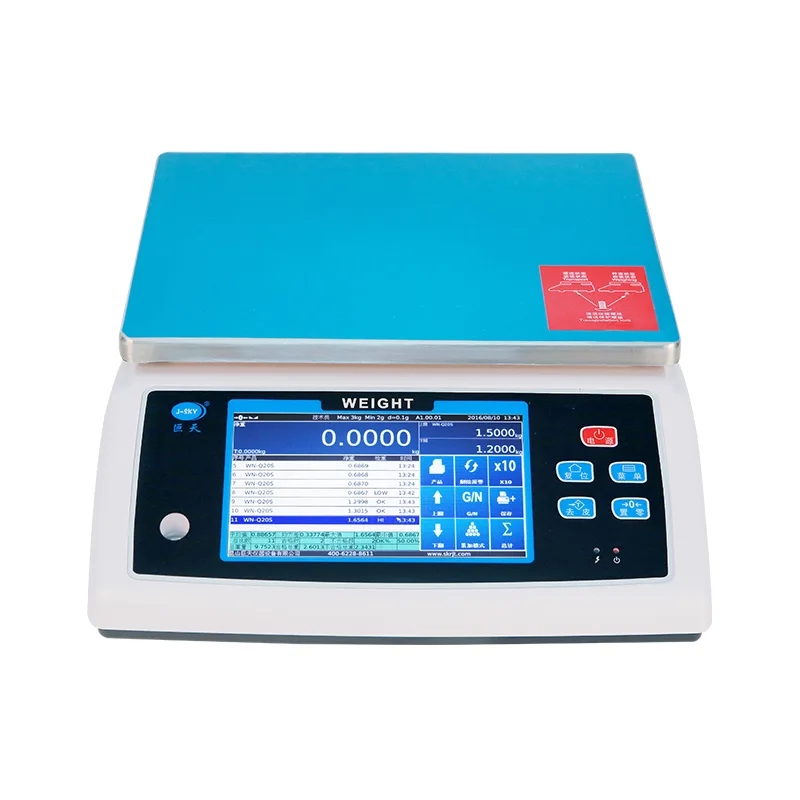
Table of Contents
- What Is an Electronic Table Scale?
- How Does an Electronic Table Scale Work?
- Why Choose an Electronic Table Scale?
- Which Features Matter Most When Choosing an Electronic Table Scale?
- What Are Common Applications for Electronic Table Scales?
- How Do Electronic Table Scales Compare to Other Types of Scales?
- Frequently Asked Questions
What Is an Electronic Table Scale?
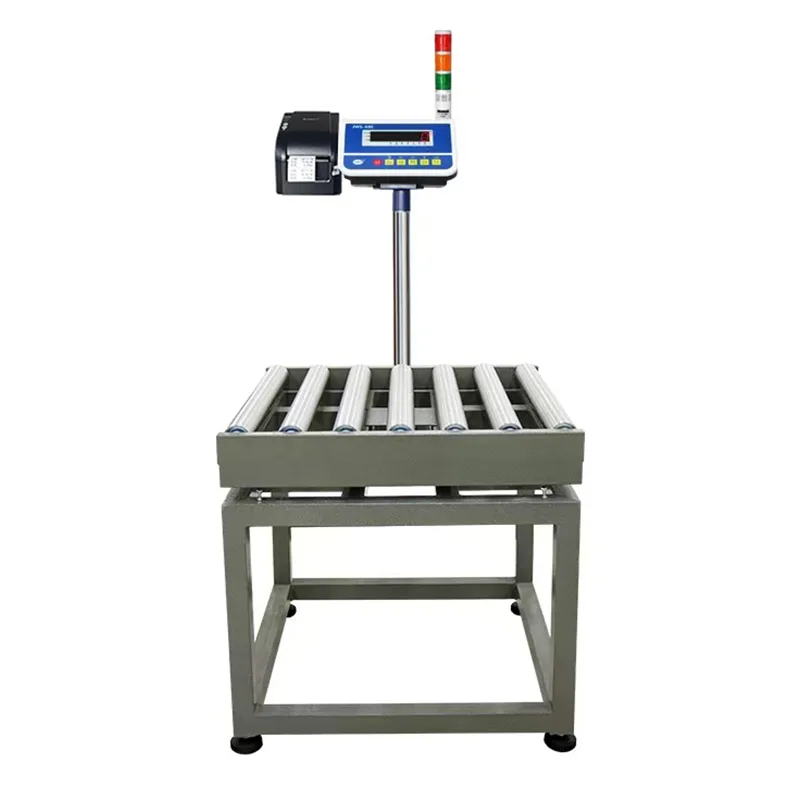
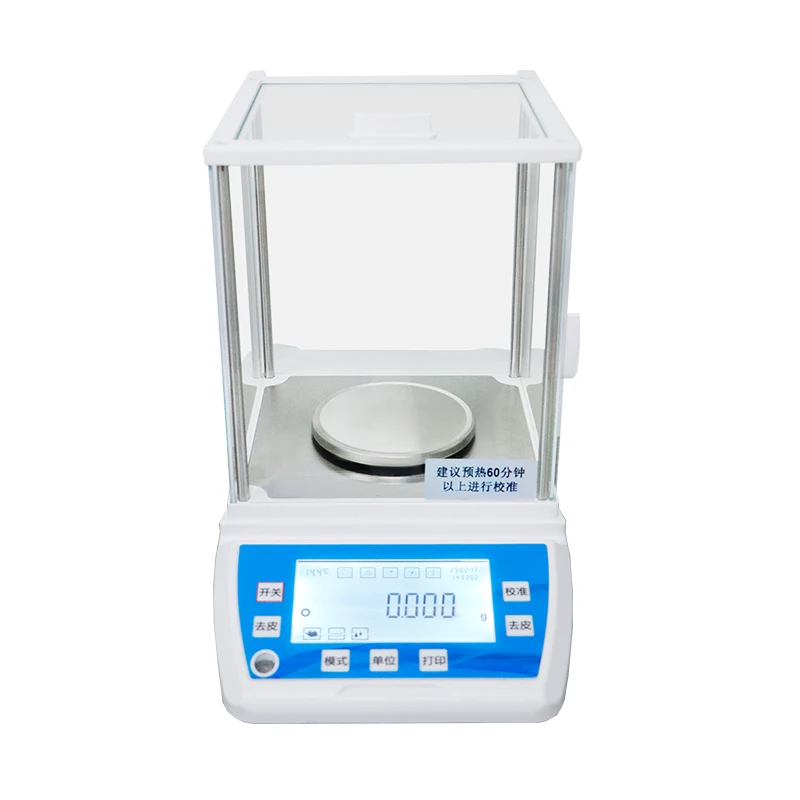
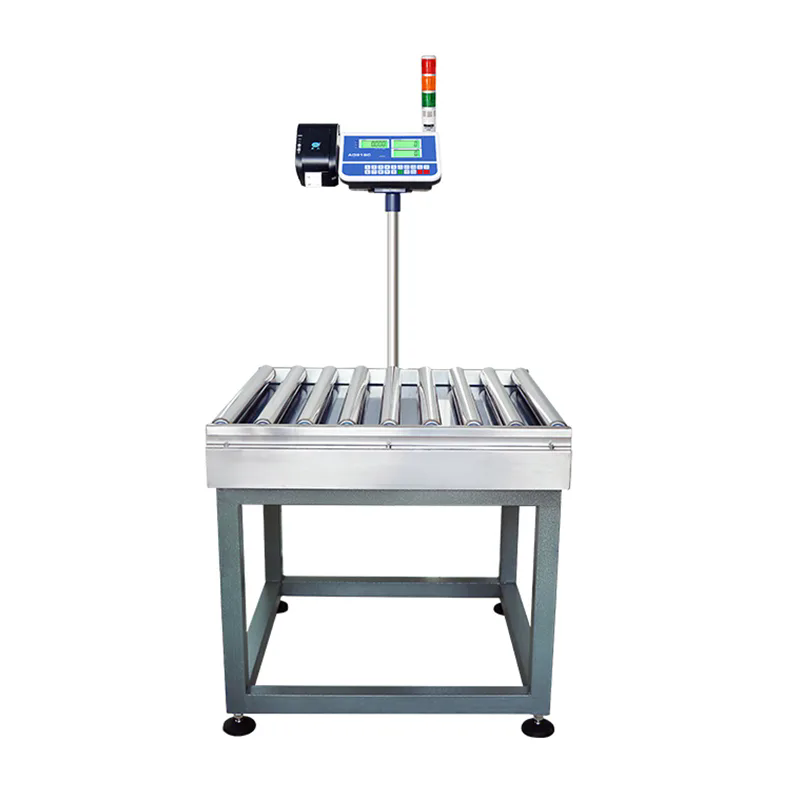
An Electronic Table Scale is a digital weighing instrument designed with a flat platform and electronic sensors that convert load weight into an electrical signal, digitally displaying the result. Also called bench scales, they are ideal for weighing small-to-medium-sized items with precision and speed.
Manufacturers like Jiangsu Jutian Weighing Equipment Co., Ltd. produce durable and accurate table scales that meet industrial standards and support multiple functions such as unit conversion, tare weighing, counting, and data connectivity.
How Does an Electronic Table Scale Work?
At the heart of an Electronic Table Scale is a load cell — a sensor that detects deformation when weight is applied. The scale’s electronics convert this deformation to an electrical signal which is processed, calibrated, and shown on a digital display.
Core Components
- Platform – Flat top where items are placed for weighing.
- Load Cell – Converts weight into an electrical signal.
- Indicator – Digital display that shows the weight.
- Power Supply – Either battery, adapter, or both.
Why Choose an Electronic Table Scale?
Electronic Table Scales offer multiple benefits over mechanical alternatives:
- High Accuracy: Digital precision with minimal error rates.
- Fast Response: Instant weight readings improve workflow efficiency.
- Versatile Functions: Tare, unit conversion, data logging, remote output.
- Ease of Use: Simple interface and easy calibration procedures.
Which Features Matter Most When Choosing an Electronic Table Scale?
Choosing the right Electronic Table Scale depends on your specific needs. Below is a comparison table of key features:
| Feature | Importance | What to Look For |
|---|---|---|
| Capacity | High | Select based on maximum expected weight. |
| Readability | High | Finer readability (e.g., 0.01g vs 1g) for precision tasks. |
| Platform Size | Medium | Ensure it fits the objects you need to weigh. |
| Connectivity | Medium | USB, RS232, Bluetooth for data transfer. |
| Environmental Protection | Low-Medium | IP-rated for washdown or dust-prone areas. |
What Are Common Applications for Electronic Table Scales?
Electronic Table Scales are versatile and used across many sectors:
Manufacturing
Used to weigh components, check batch weights, and support quality control processes.
Logistics & Shipping
Essential for determining accurate parcel weights to calculate shipping costs and optimize freight loads.
Food & Beverage
Key in kitchens and food processing plants for portion control and recipe compliance.
Retail
Used at point-of-sale counters or for bulk item weighing in stores or markets.
Laboratories
Precision models measure chemicals, samples, and test materials with high accuracy.
How Do Electronic Table Scales Compare to Other Types of Scales?
Here’s a comparison with two common alternatives:
| Scale Type | Best For | Pros | Cons |
|---|---|---|---|
| Electronic Table Scale | General industrial & commercial use | Accurate, versatile, fast | Requires power/calibration |
| Mechanical Scale | Basic weighing tasks | No power needed, durable | Less precise, slower |
| Pocket Scale | Portable, small-item weighing | Compact, inexpensive | Low capacity, limited functions |
Frequently Asked Questions
What is an Electronic Table Scale?
An Electronic Table Scale is a digital weighing device with a flat platform and load cell sensor that provides accurate weight measurements for items within its capacity. These scales are widely used in commercial, industrial, and laboratory settings due to their precision and functionality.
How does an Electronic Table Scale differ from a mechanical scale?
Electronic Table Scales use digital sensors to measure weight and display results electronically, offering higher accuracy and additional features like tare and unit conversion. Mechanical scales rely on springs or balances and often lack precision and advanced functions.
What should I consider when choosing an Electronic Table Scale?
Key factors include capacity, readability, platform size, connectivity options, and environmental conditions. Choosing the right combination ensures the scale meets your operational needs and accuracy requirements.
Can Electronic Table Scales connect to computers or printers?
Yes, many models from manufacturers like Jiangsu Jutian Weighing Equipment Co., Ltd. offer connectivity via USB, RS232, or Bluetooth, allowing data transfer to computers or printers for record-keeping.
Are Electronic Table Scales easy to calibrate?
Most modern scales provide straightforward calibration procedures, often guided through the display interface. Regular calibration helps maintain accuracy over time.
Where are Electronic Table Scales commonly used?
They are used in manufacturing, shipping, retail, food processing, and laboratories — anywhere precise weight measurement is essential.
How often should I service my Electronic Table Scale?
Service frequency depends on usage and environment. Heavy usage or harsh conditions may require quarterly checks, while light use can be serviced annually. Regular calibration is also recommended.
Related News
- Technical Features of Weighing Machines.
- Electronic Table Scale Overview.
- The core reason for the price difference in drum checkweighers.
- What is High Speed Checkweigher: How It Works and Why It Matters in Modern Manufacturing
- How Electronic Table Scale Improves Accuracy and Efficiency in Modern Weighing Operations
- How Does an Electronic Weighbridge Improve Industrial Efficiency?
Leave me a message