English
- English
- Español
- Português
- русский
- Français
- 日本語
- Deutsch
- tiếng Việt
- Italiano
- Nederlands
- ภาษาไทย
- Polski
- 한국어
- Svenska
- magyar
- Malay
- বাংলা ভাষার
- Dansk
- Suomi
- हिन्दी
- Pilipino
- Türkçe
- Gaeilge
- العربية
- Indonesia
- Norsk
- تمل
- český
- ελληνικά
- український
- Javanese
- فارسی
- தமிழ்
- తెలుగు
- नेपाली
- Burmese
- български
- ລາວ
- Latine
- Қазақша
- Euskal
- Azərbaycan
- Slovenský jazyk
- Македонски
- Lietuvos
- Eesti Keel
- Română
- Slovenski
- मराठी
- Srpski језик

How Do Roller Conveyor Scales Improve Industrial Weighing Efficiency?
Article Summary
Roller conveyor scales are a vital component in modern industrial operations, providing accurate weighing while maintaining production line speed. This article explores the benefits, operational principles, selection criteria, installation tips, and common challenges associated with roller conveyor scales. Learn how implementing these systems can enhance efficiency, reduce errors, and optimize material handling in your facility.
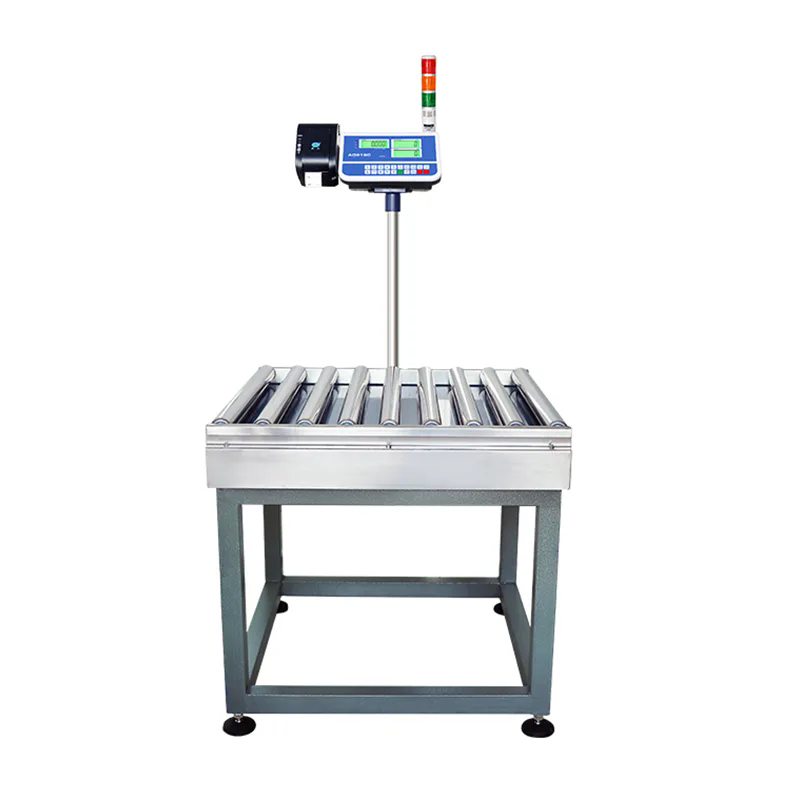
Table of Contents
- Overview of Roller Conveyor Scales
- Key Benefits for Industrial Operations
- How Roller Conveyor Scales Work
- Selection Guide: Choosing the Right Scale
- Installation and Maintenance Tips
- Common Issues and Solutions
- FAQ
- Contact J-sky
Overview of Roller Conveyor Scales
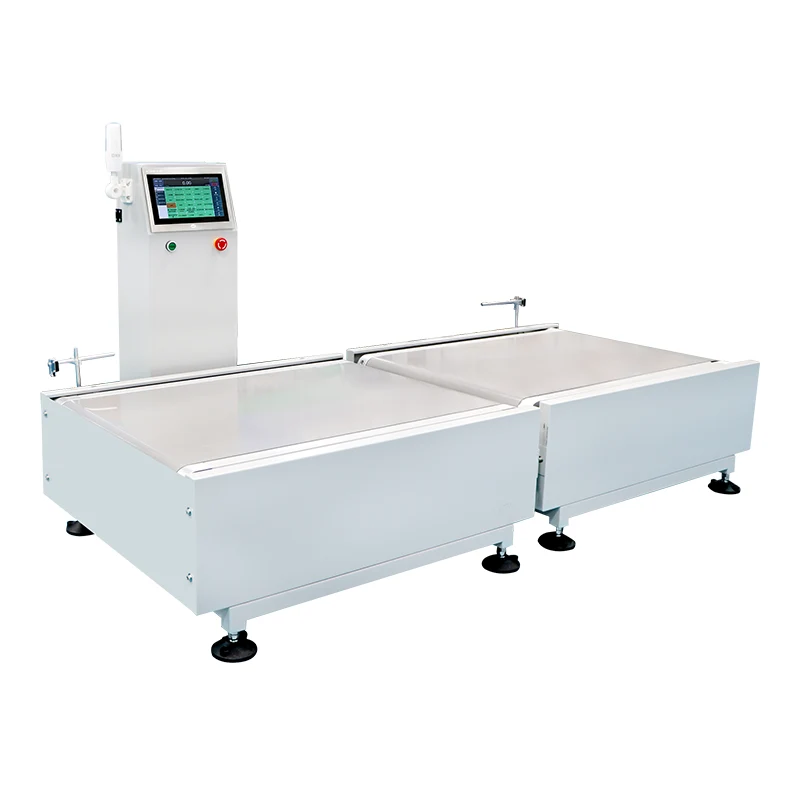
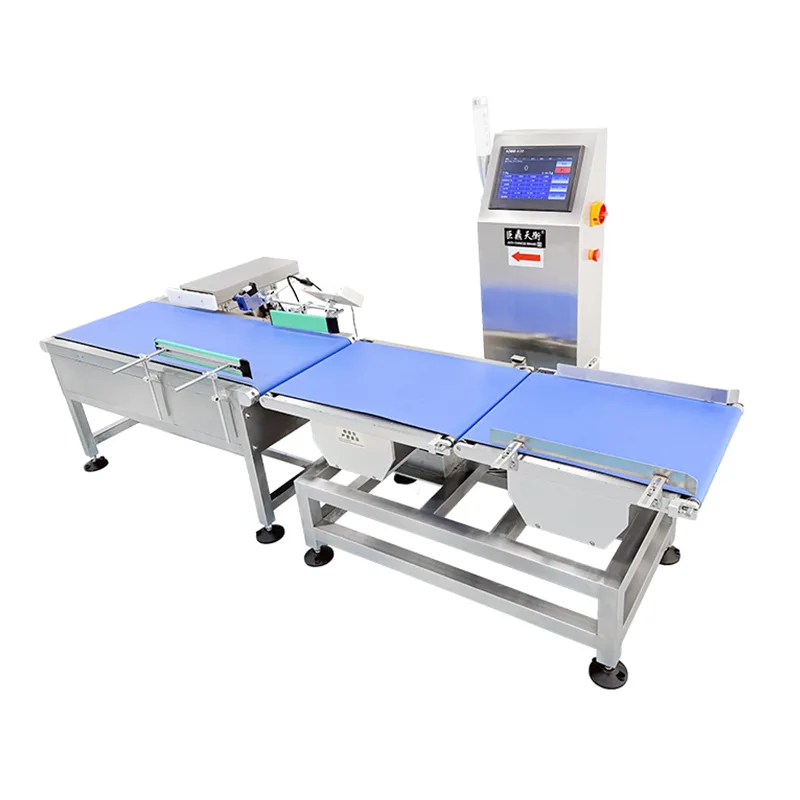
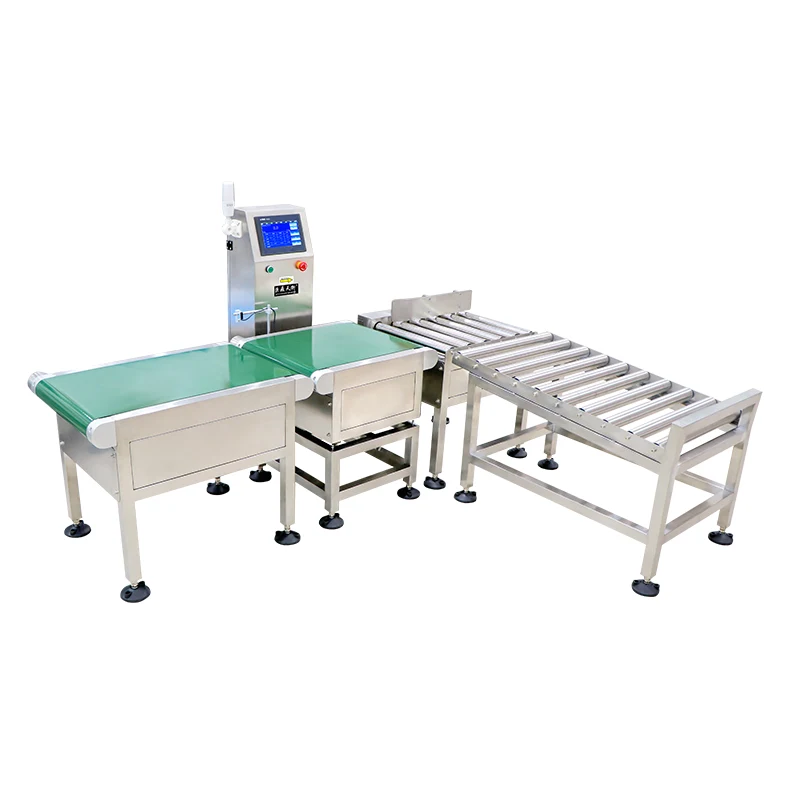
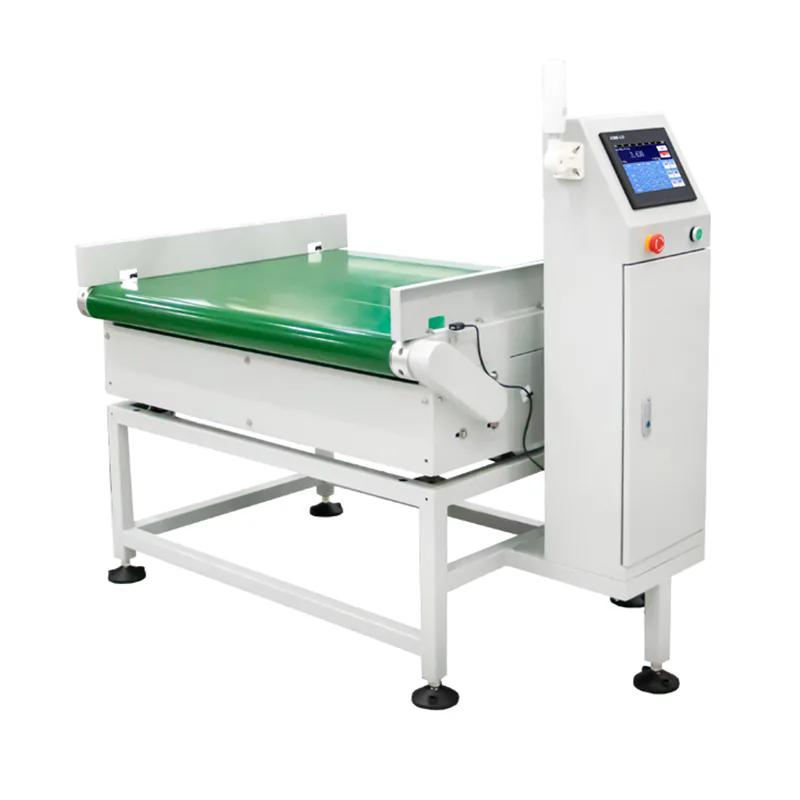
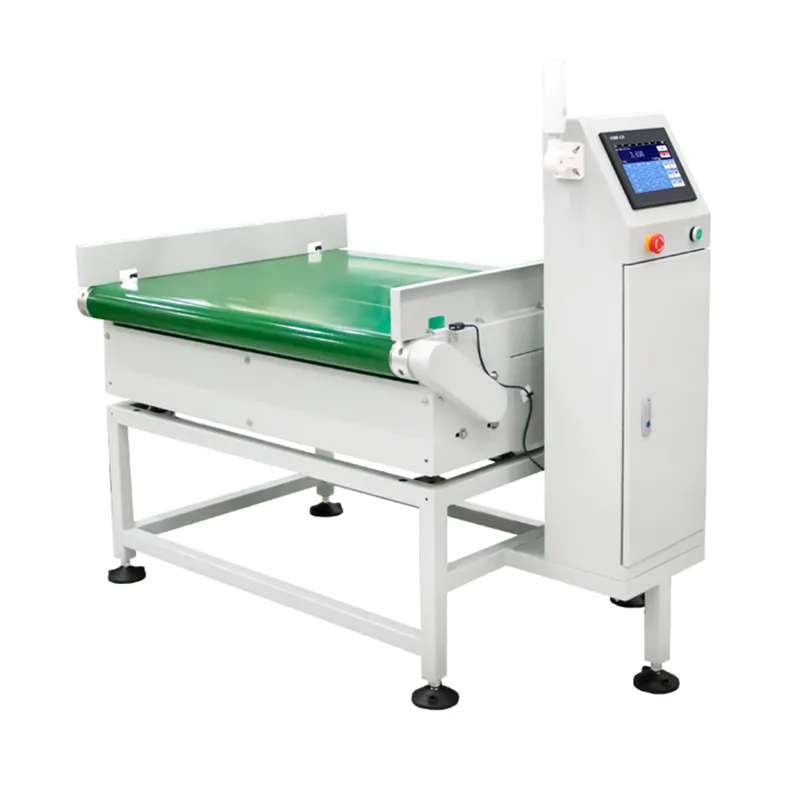
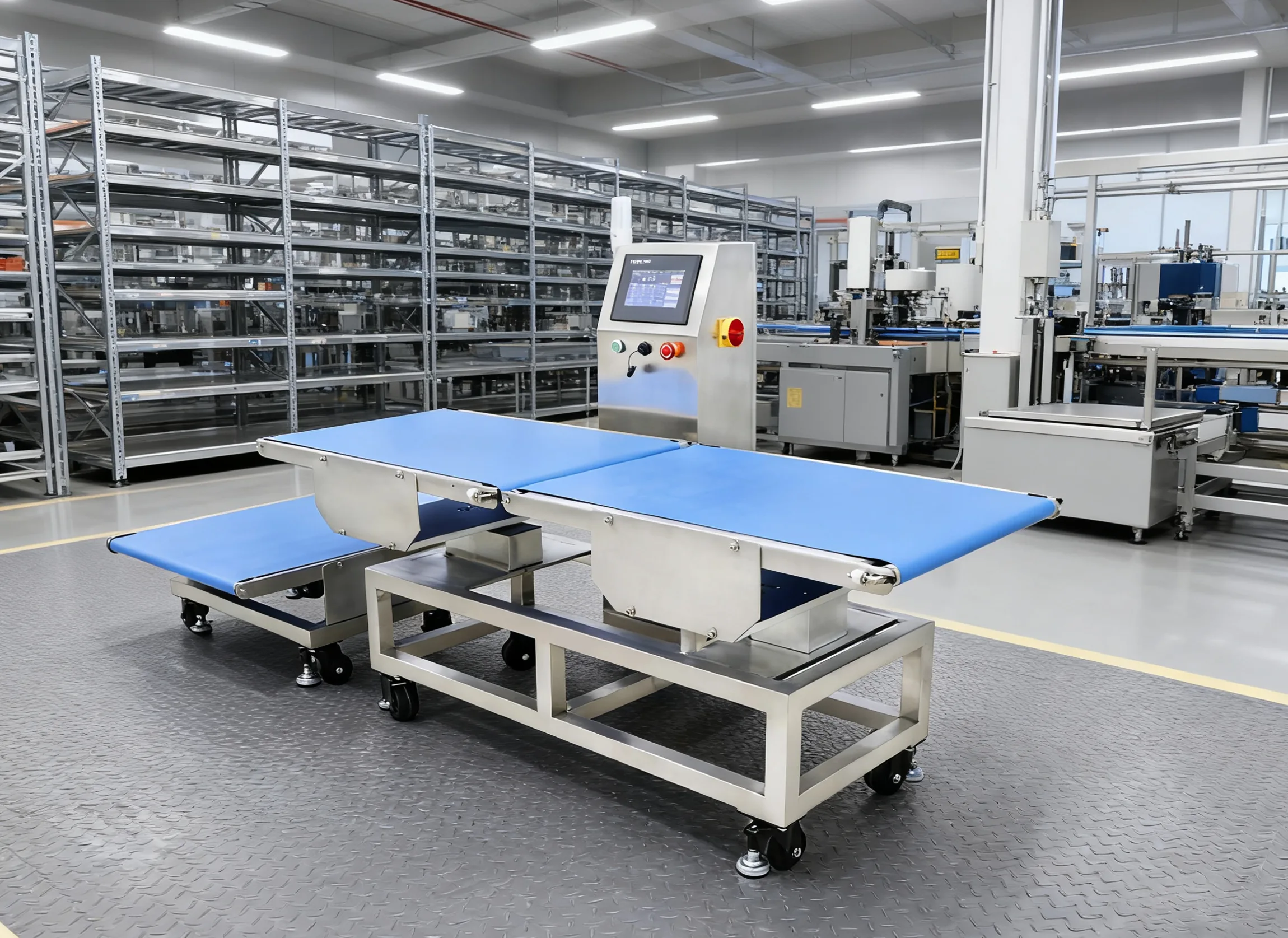
Roller conveyor scales are integrated into conveyor systems to weigh products continuously as they move along the production line. Unlike static scales, they allow for dynamic weighing without stopping the conveyor, reducing bottlenecks and increasing throughput. These systems are widely used in packaging, logistics, food processing, and manufacturing industries.
- Dynamic Weighing: Measures products in motion.
- High Accuracy: Typically within 0.1% of product weight.
- Integration Capability: Compatible with automated sorting and data collection systems.
Key Benefits for Industrial Operations
Adopting roller conveyor scales brings tangible benefits that directly impact operational efficiency and product quality.
- Time Efficiency: Continuous weighing eliminates the need to stop the line.
- Accuracy and Consistency: Reduces human error and ensures precise weight measurement.
- Traceability: Supports data logging and compliance with industry standards.
- Reduced Labor Costs: Automated weighing minimizes manual handling.
- Scalability: Easy to expand as production grows.
How Roller Conveyor Scales Work
Roller conveyor scales operate using advanced load cells and sensors embedded within the conveyor rollers. Here’s a simplified breakdown:
- Load Detection: The roller detects the weight of the product as it passes over the scale section.
- Signal Conversion: The load cells convert mechanical pressure into electrical signals.
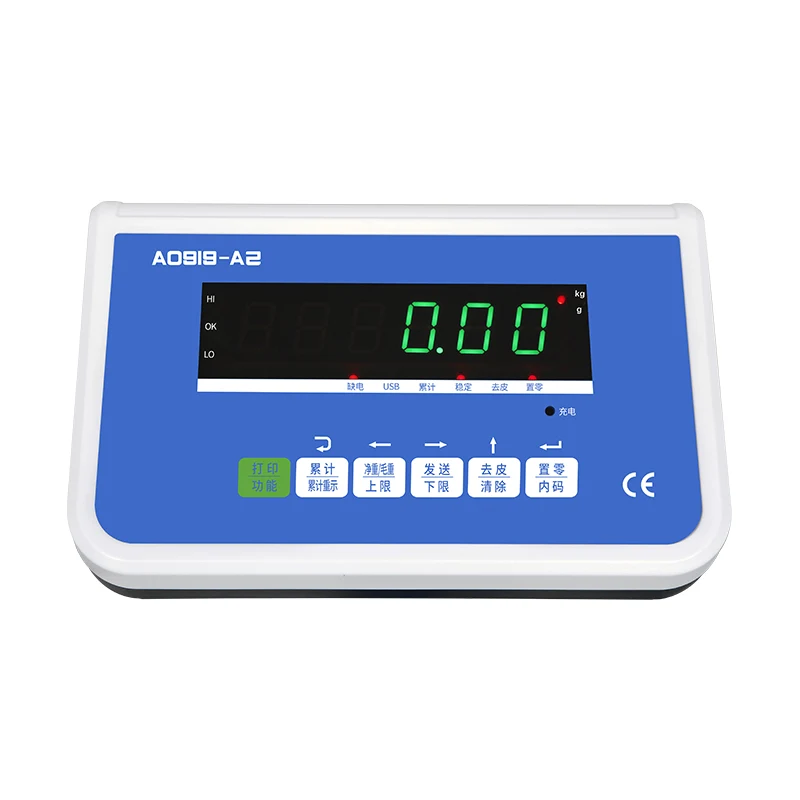
- Data Processing: The signal is processed by a controller or PLC system.
- Output: The weight data can trigger alarms, sort items, or feed into inventory management systems.
Below is a basic comparison of types of roller conveyor scales:
| Scale Type | Advantages | Ideal Applications |
|---|---|---|
| In-motion Roller Scale | High throughput, minimal interruption | Packaging lines, logistics centers |
| Static Roller Scale | High accuracy, easy calibration | Quality control, laboratory settings |
| Hybrid Systems | Balance between speed and accuracy | Manufacturing with variable product sizes |
Selection Guide: Choosing the Right Scale
When selecting a roller conveyor scale, consider the following factors to ensure optimal performance:
- Weight Range: Verify the maximum and minimum capacities to avoid overload or under-measurement.
- Conveyor Compatibility: Ensure the scale fits your conveyor’s width, speed, and material type.
- Environmental Conditions: Consider temperature, humidity, and dust levels.
- Integration Needs: Check compatibility with existing automation and software systems.
- Calibration and Certification: Ensure the scale meets local regulatory requirements.
Installation and Maintenance Tips
Proper installation and regular maintenance are key to maximizing accuracy and longevity:
- Leveling: Ensure the scale section is perfectly horizontal.
- Sensor Protection: Avoid exposure to moisture and excessive vibration.
- Routine Calibration: Schedule periodic checks for consistent performance.
- Cleaning: Remove debris that could interfere with rollers or sensors.
- Software Updates: Keep control systems updated for accurate data logging.
Common Issues and Solutions
Even high-quality roller conveyor scales may face operational challenges:
- Inconsistent Weights: Usually caused by improper calibration or conveyor misalignment.
- Mechanical Wear: Rolling elements may degrade; regular inspection is required.
- Electrical Noise: Shield wiring and check grounding to prevent signal errors.
- Overloading: Verify product weight and scale capacity to avoid damage.
FAQ
Q1: Can roller conveyor scales handle irregularly shaped products?
A: Yes, dynamic scales can accommodate various shapes, but very uneven surfaces may require additional load distribution plates.
Q2: How often should the scales be calibrated?
A: Most industrial operations schedule calibration every 3-6 months, but high-throughput lines may require monthly checks.
Q3: Can these scales integrate with warehouse management systems?
A: Absolutely, modern roller conveyor scales are compatible with PLCs and WMS for automated data collection.
Q4: What is the typical accuracy of these scales?
A: In-motion roller scales typically achieve ±0.1% to ±0.5% of product weight, depending on model and installation.
Contact J-sky
For reliable roller conveyor scales that enhance your production line efficiency, J-sky offers high-quality solutions tailored to your industrial needs. Visit our product page or contact us to discuss your requirements and request a personalized quote today.
Related News
- Technical Features of Weighing Machines.
- Electronic Table Scale Overview.
- The core reason for the price difference in drum checkweighers.
- What is High Speed Checkweigher: How It Works and Why It Matters in Modern Manufacturing
- How Electronic Table Scale Improves Accuracy and Efficiency in Modern Weighing Operations
- How Does an Electronic Weighbridge Improve Industrial Efficiency?
Leave me a message