English
- English
- Español
- Português
- русский
- Français
- 日本語
- Deutsch
- tiếng Việt
- Italiano
- Nederlands
- ภาษาไทย
- Polski
- 한국어
- Svenska
- magyar
- Malay
- বাংলা ভাষার
- Dansk
- Suomi
- हिन्दी
- Pilipino
- Türkçe
- Gaeilge
- العربية
- Indonesia
- Norsk
- تمل
- český
- ελληνικά
- український
- Javanese
- فارسی
- தமிழ்
- తెలుగు
- नेपाली
- Burmese
- български
- ລາວ
- Latine
- Қазақша
- Euskal
- Azərbaycan
- Slovenský jazyk
- Македонски
- Lietuvos
- Eesti Keel
- Română
- Slovenski
- मराठी
- Srpski језик
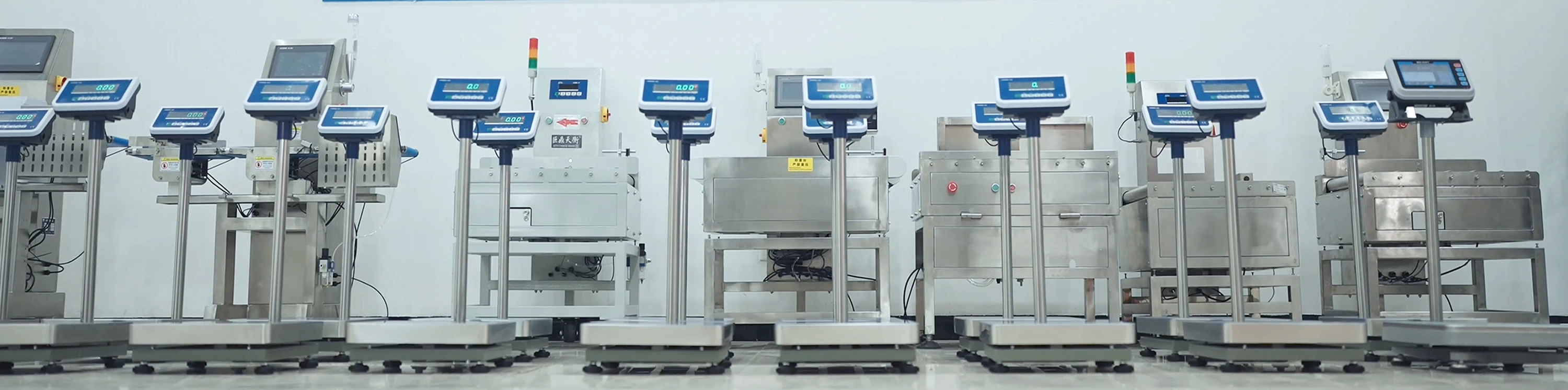
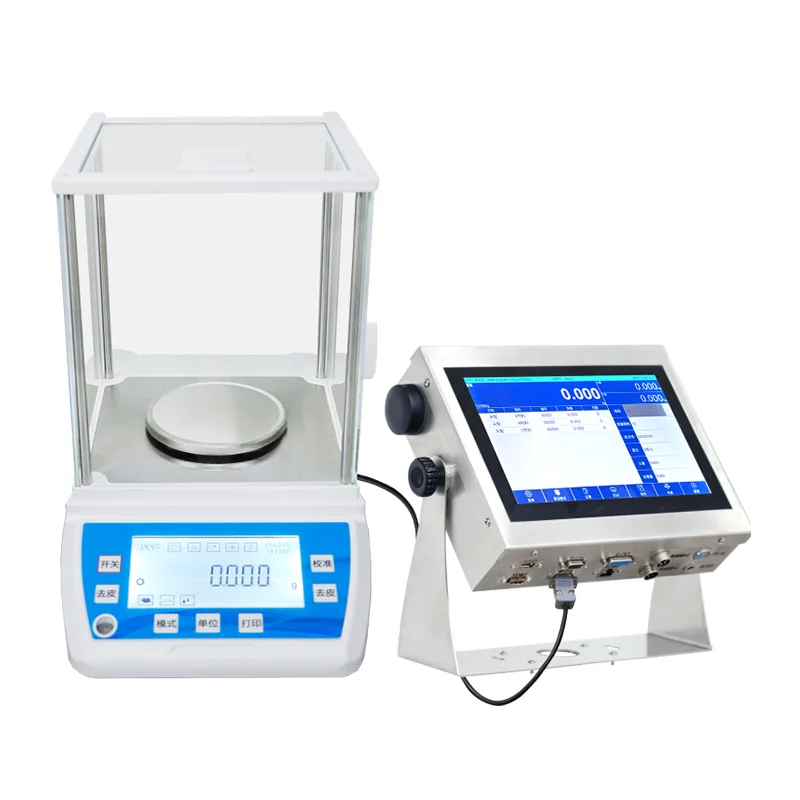
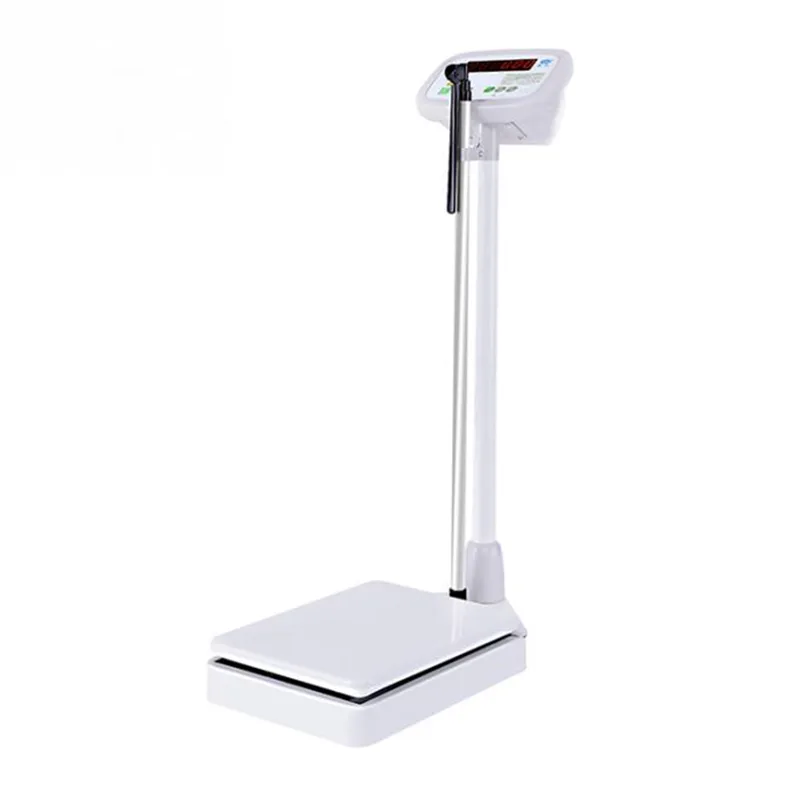
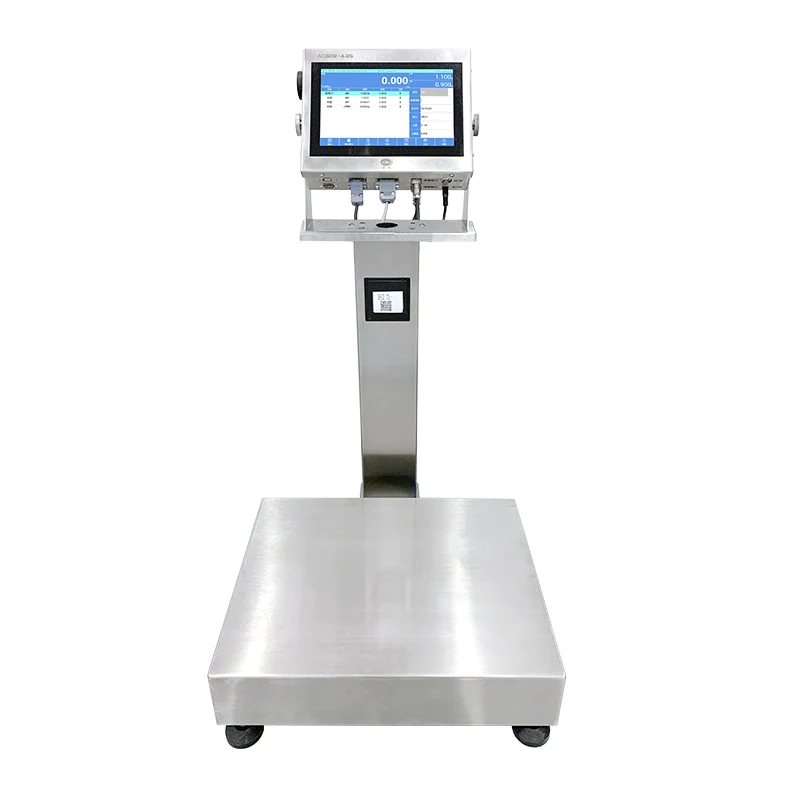
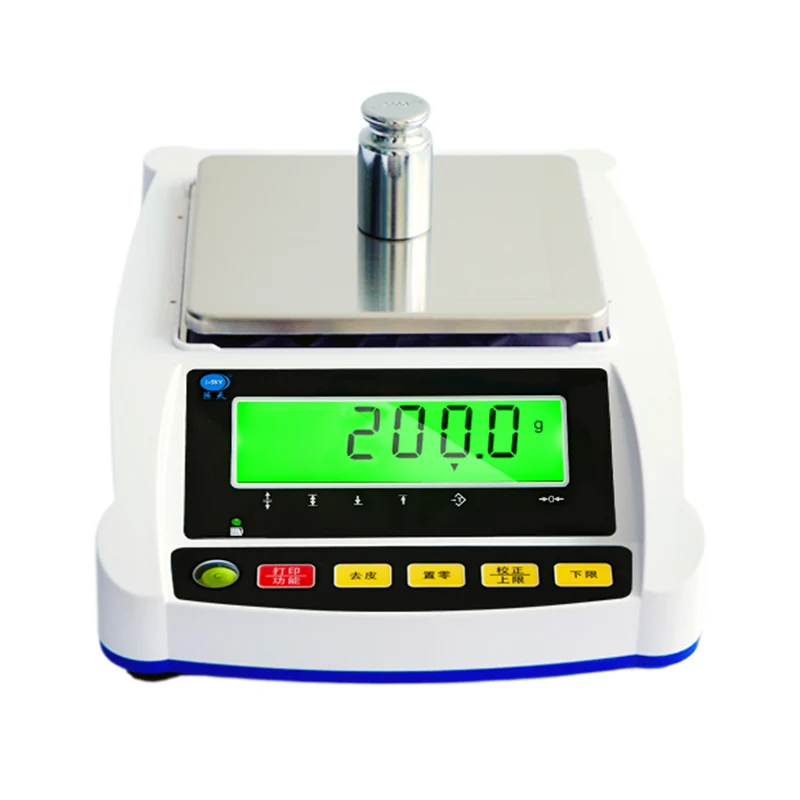
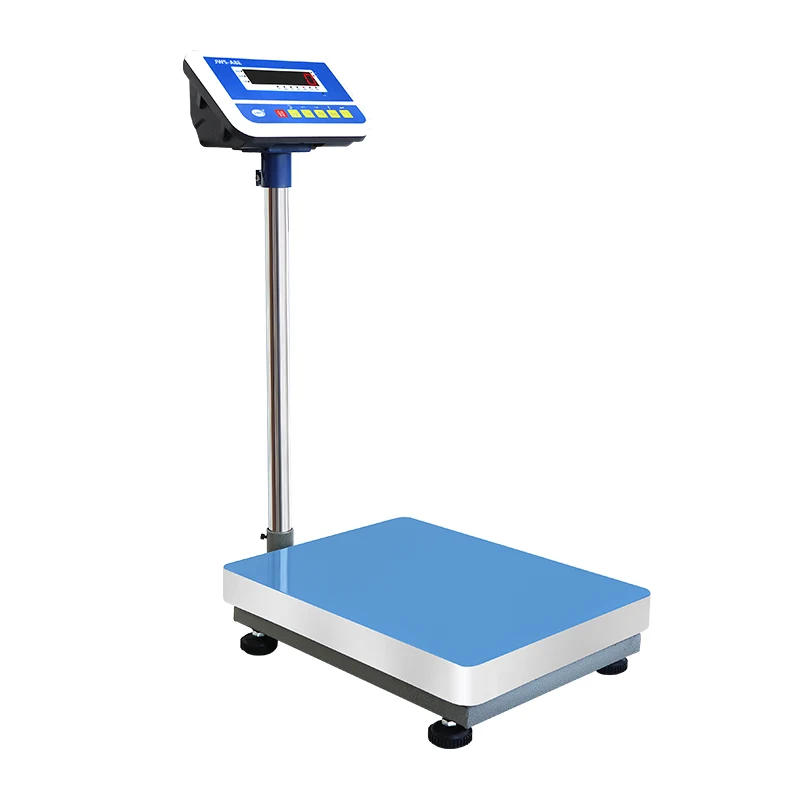
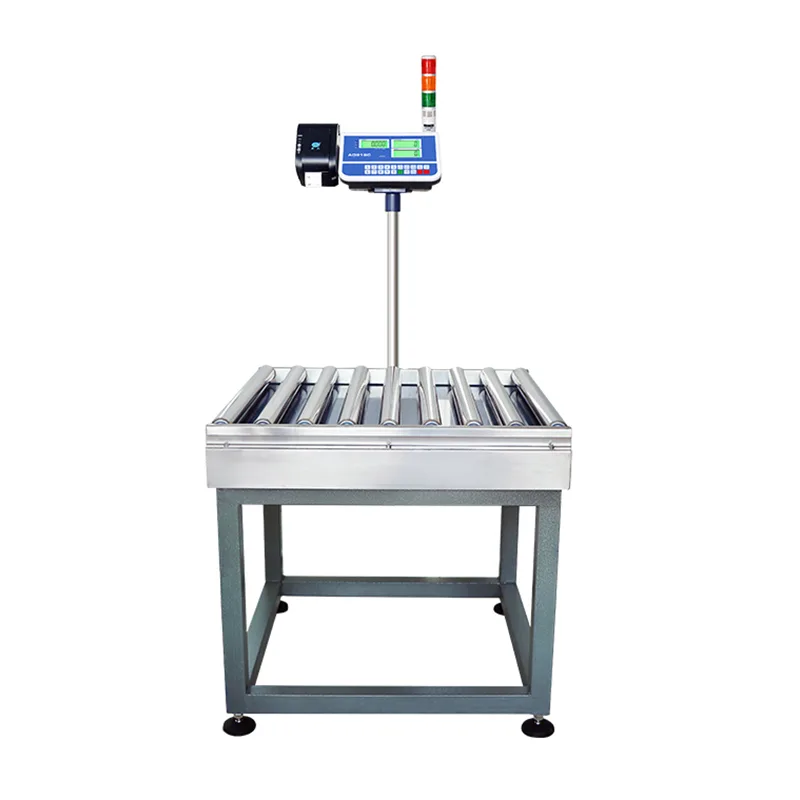
Non-powered Roller Checkweigher
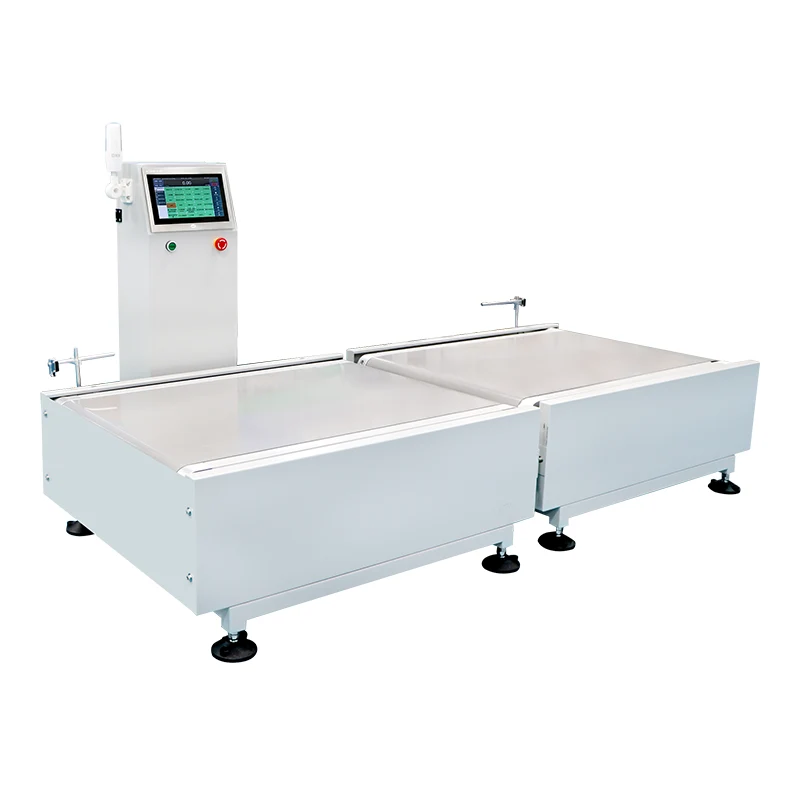
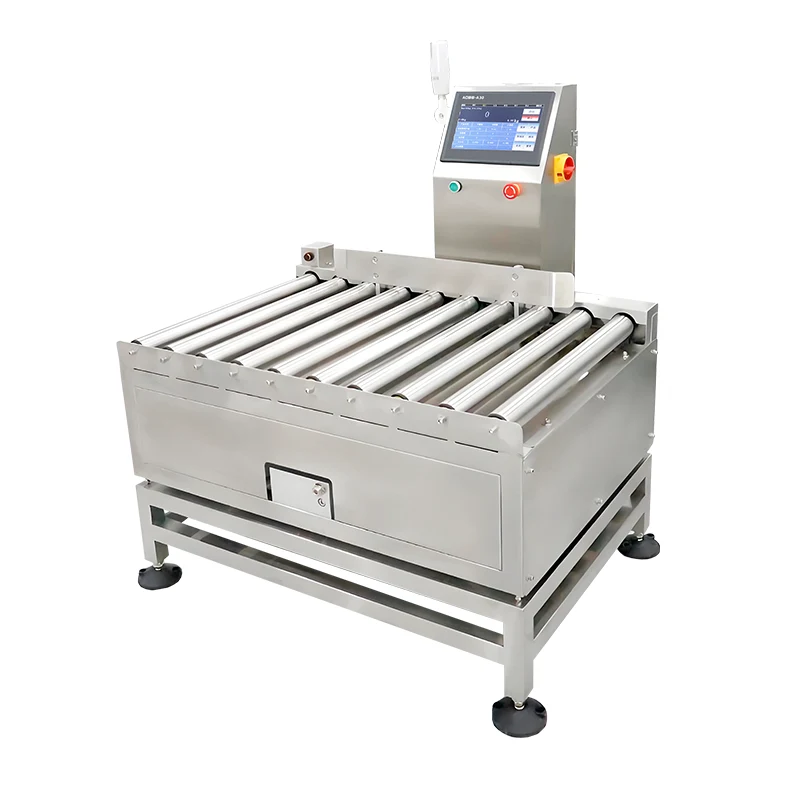
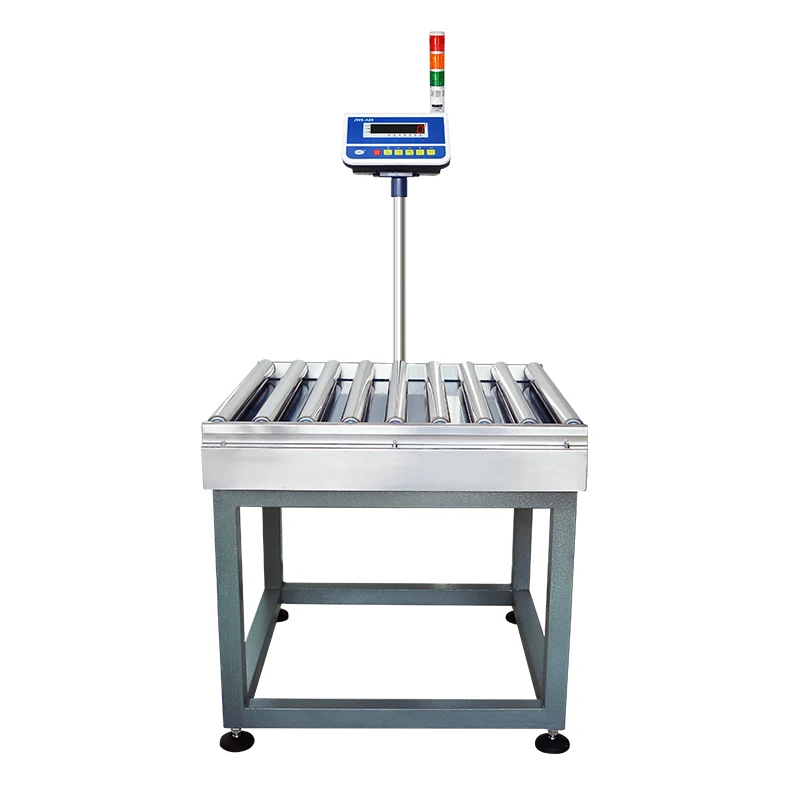
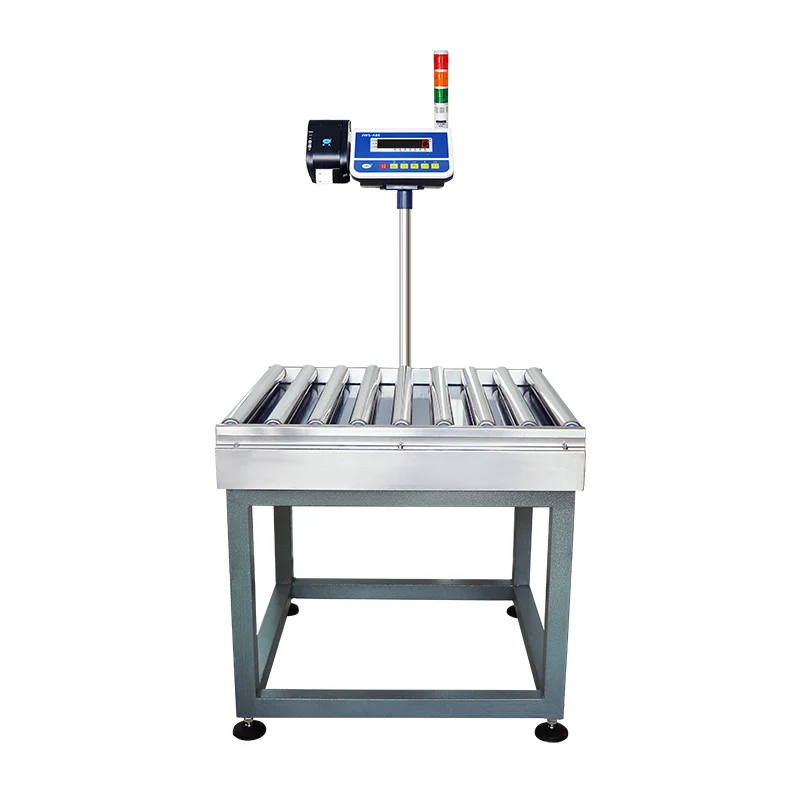
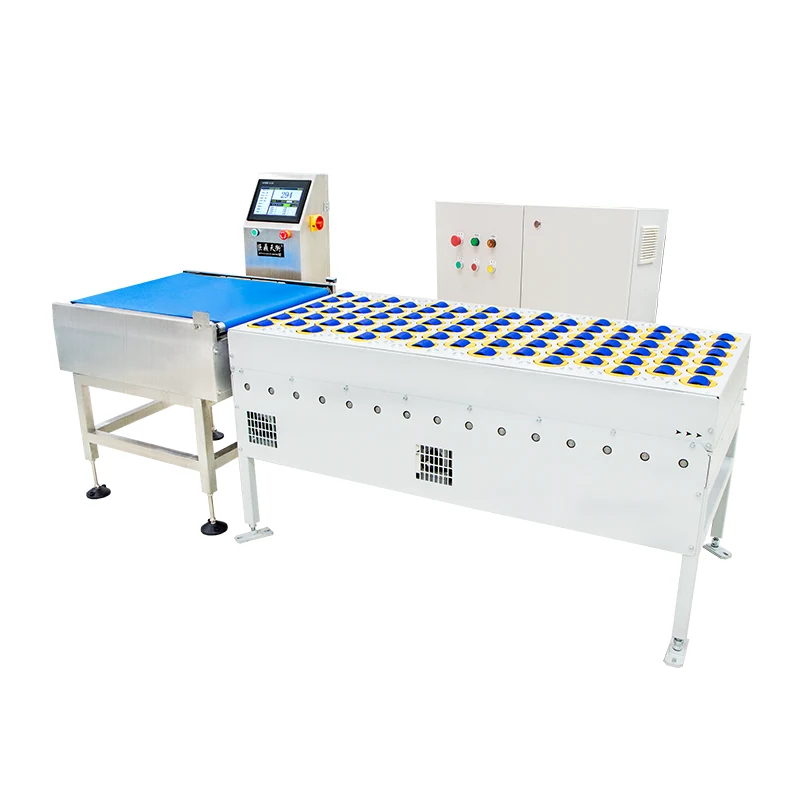
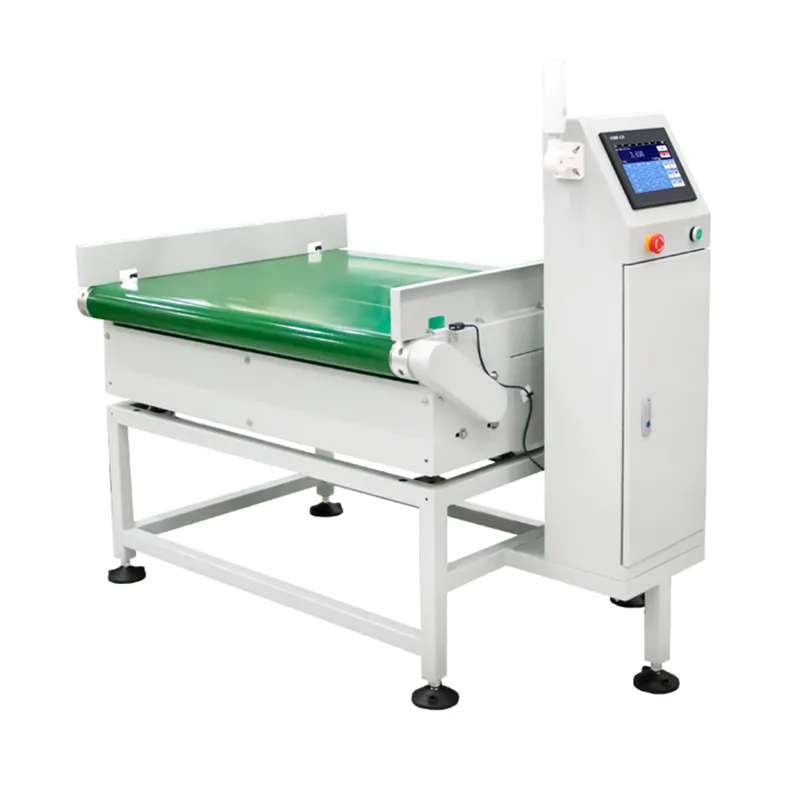
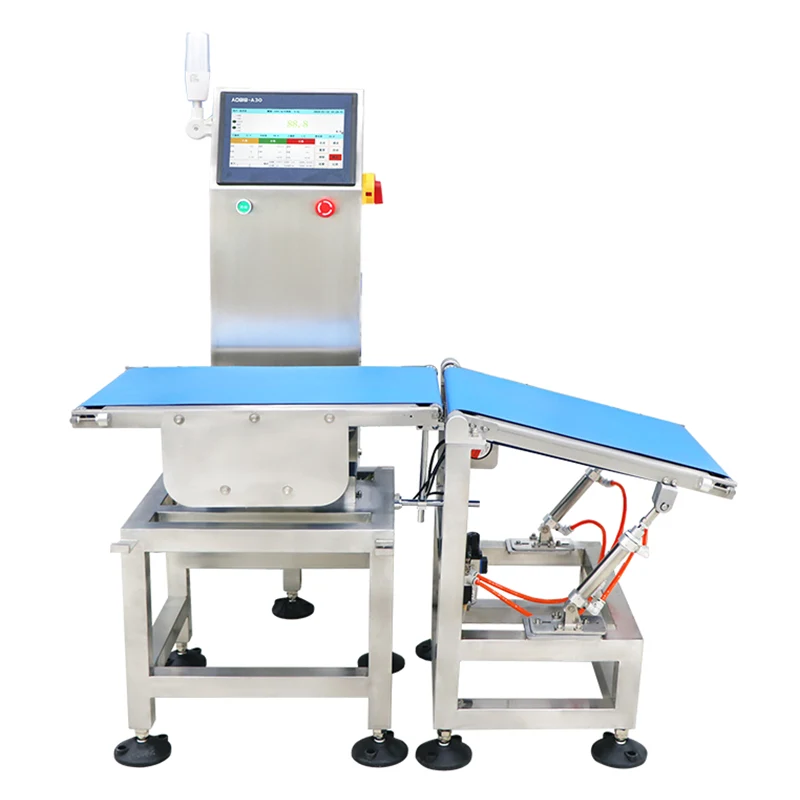
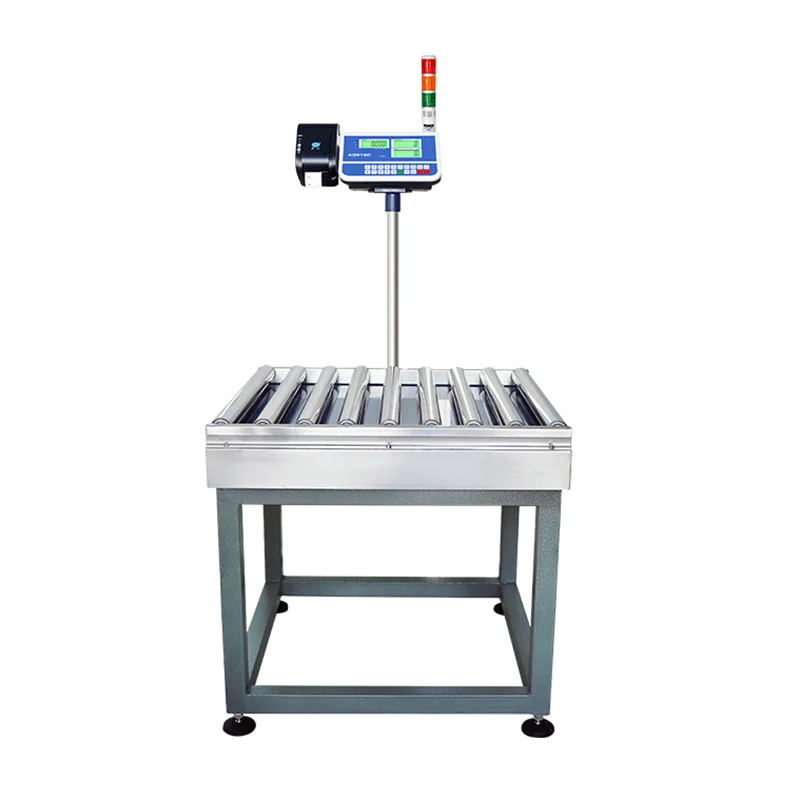
J-SKY is a direct factory supplier that provides high-quality products and thoughtful after-sales support. Its Non-powered Roller Checkweigher works without external power, integrating checkweighing, counting, alarming and printing functions. It supports bulk wholesale and customized services, with advanced precision and energy-saving features to meet various enterprise procurement needs.
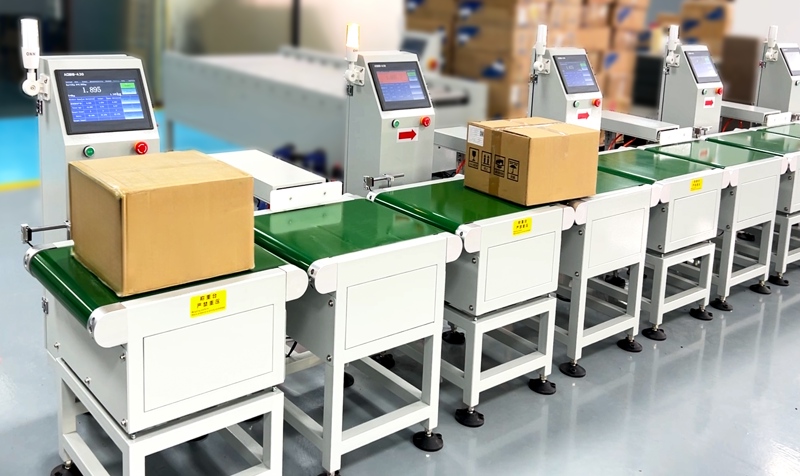
The Non-powered Roller Checkweigher is manufactured by Jiangsu Jutian Weighing Equipment Co., Ltd., a company with over 20 years of specialization in industrial weighing equipment. This equipment is designed for weight verification, quantity counting, and quality sorting in scenarios where powered conveying is not required or desired. Typical deployments include assembly line sampling stations, logistics parcel verification points, warehouse inventory counting zones, and manual sorting workstations.
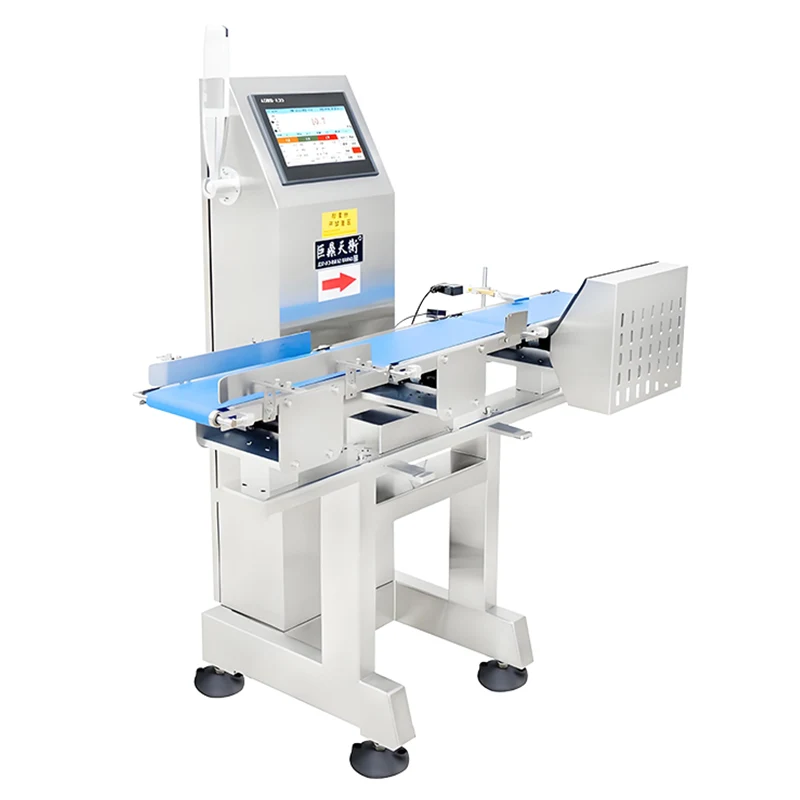
Unlike powered checkweighers, the non-powered roller design eliminates motors, belts, and associated electrical components. This reduces ongoing maintenance requirements, lowers energy consumption, and makes the equipment suitable for environments where electrical simplicity is preferred—such as low-speed logistics lines, auxiliary inspection stations, or facilities prioritizing mechanical durability over automation speed.
Basic Technical Parameters
|
Model |
Max Weighing Capacity (kg) |
Readability (g) |
Roller Platform Size (mm*mm) |
Roller Material Options |
|
JDT-AO919C |
0–30 |
1 / 2 / 5 / 10 |
400×500 / 400×600 |
Carbon steel / Stainless steel 304 |
|
JDT-AO919C |
0–60 |
5 / 10 / 20 |
500×600 / 600×600 / 600×700 |
Carbon steel / Stainless steel 304 |
|
JDT-AO919C |
0–100 |
10 / 20 / 50 |
700×700 / 600×800 / 800×800 |
Carbon steel / Stainless steel 304 |
|
JDT-AO919C |
0–150 |
20 / 50 / 100 / 200 |
800×800 / 800×1000 / 800×1200 |
Carbon steel / Stainless steel 304 |
Additional specifications: Sensor type: strain gauge load cell; Display: 3-window LCD with LED backlight; Operating temperature: -10°C to 40°C; Power supply: AC 220V with built-in 6V 4A rechargeable battery (supports mains and battery operation); Indicator housing: ABS plastic with 20-key waterproof membrane keypad; Communication interfaces (optional): RS232, RS485, Bluetooth, Ethernet, Wi-Fi. Platform dimensions, roller materials, weighing ranges, and application software are customizable based on actual usage requirements.
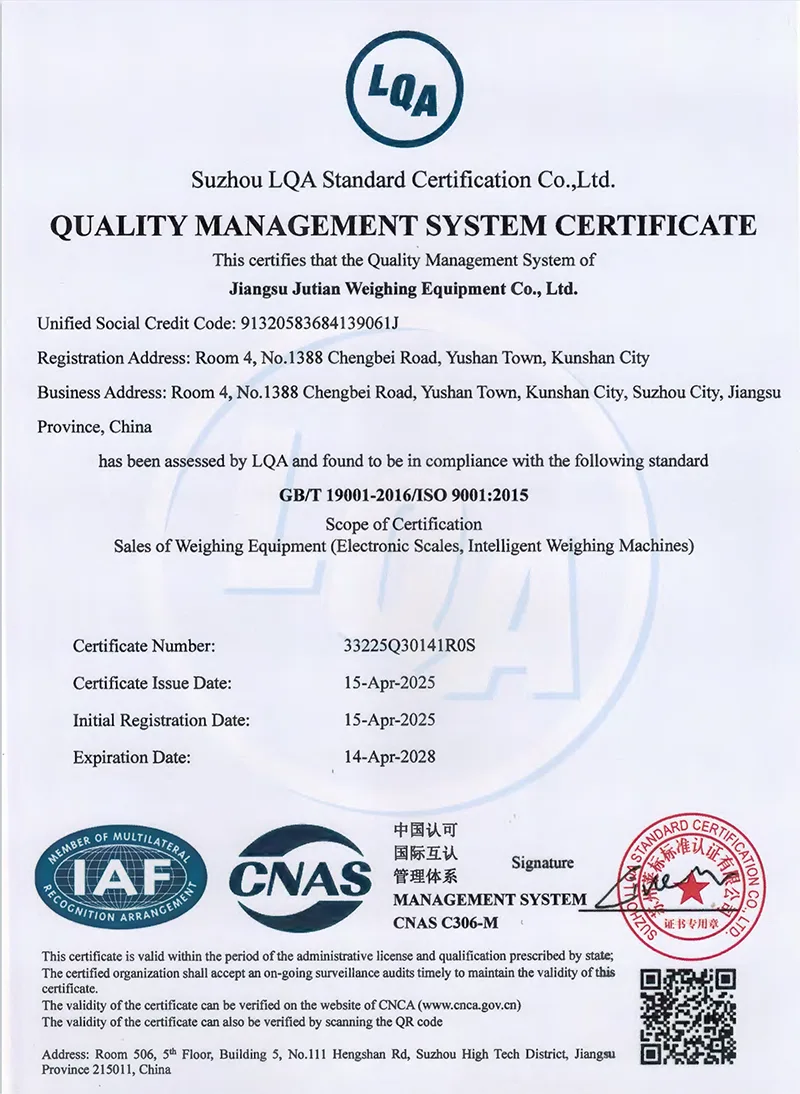
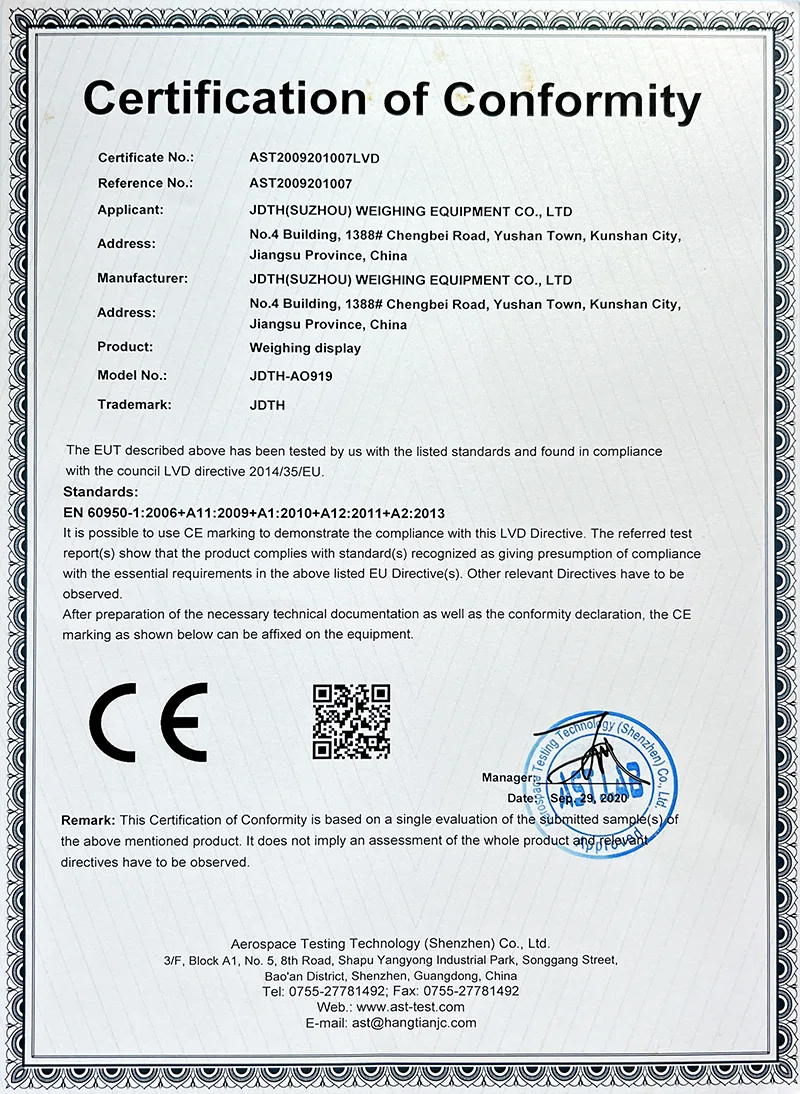
Jiangsu Jutian operates under an ISO9001-certified quality management system. Production procedures cover incoming material inspection, assembly process control, calibration verification, and final product testing. Products are CE certified, and the company holds 68 national patents and 20 software copyrights related to weighing instrumentation and automated checkweighing systems.
Manufacturing Process
Each Non-powered Roller Checkweigher is produced across our two factories (Kunshan R&D center and Zhejiang manufacturing base). The production workflow includes:
1. Frame fabrication: Roller frames are cut, welded, and surface-treated (powder coating for carbon steel, polishing for stainless steel) according to specified dimensions.
2. Load cell installation: High-precision strain gauge sensors are mounted and mechanically aligned to ensure even load distribution across the roller platform.
3. Indicator assembly & programming: The 919-series weighing indicator is assembled, flashed with the required firmware, and configured for the specified communication protocol.
4. Calibration & accuracy testing: Each unit undergoes multi-point calibration using certified test weights. Zero stability, repeatability, and linearity are verified against internal quality standards.
5. Aging test: Assembled units run continuously for a minimum of 24 hours to identify any electronic or mechanical instability before shipment.
6. Final inspection: A complete functional check—including weighing, counting, alarm triggering, and printing—is performed prior to packaging.
Functional Configuration
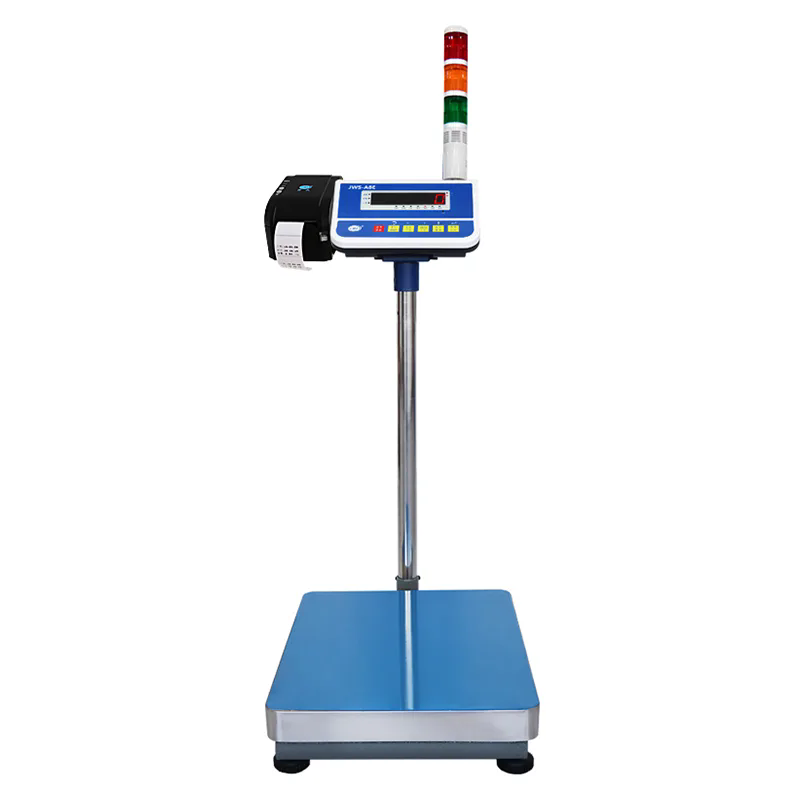
The equipment integrates checkweighing, counting, and alarm functions within a single indicator. Core weighing functions include zero-setting, taring, zero-tracking, and weight memory. Counting supports both piece-weight input and quantity input modes, with two sampling methods available. During checkweighing operations, users can set upper/lower weight limits or upper/lower quantity limits; out-of-tolerance items trigger a built-in audible alarm with an optional external tri-color light stack.
Optional expansions include: external thermal printer for weight/quantity record printing, remote large display for warehouse visibility, barcode scanner for product identification, tri-color alarm light, and communication modules (RS232, RS485, Bluetooth, Ethernet, Wi-Fi) for data integration with ERP or MES systems.
Why Choose a Non-powered Roller Checkweigher?
Lower maintenance requirements: Without motors, drive belts, or motor controllers, there are fewer components subject to mechanical wear. Maintenance is limited to periodic roller cleaning and sensor calibration checks.
Reduced energy consumption: No external power is required for conveying—goods move by manual push or line inertia. The indicator can operate on its built-in rechargeable battery, making the unit functional even during power interruptions.
Suitable for specific environments: The absence of electrical drive components makes this equipment appropriate for auxiliary inspection stations, manual sorting points, or facilities where electrical installation is constrained. Stainless steel roller options are available for environments requiring corrosion resistance.
Typical Applications by Industry
|
Industry |
Use Case |
|
Logistics & Express |
Parcel weight verification at manual sorting stations before shipment |
|
Electronics Manufacturing |
Component counting and batch quantity verification at QC sampling points |
|
Food Processing |
Packaged product weight check at end-of-line inspection; recipe batch verification |
|
Hardware & Auto Parts |
Fastener and small part counting; outgoing batch quantity confirmation |
|
Warehouse & Distribution |
Incoming goods weight verification; inventory cycle counting |
FAQ (Frequently Asked Questions)
How does a non-powered roller checkweigher differ from a standard checkweigher?
A non-powered roller checkweigher relies on manual pushing or existing conveyor line inertia to move goods across the weighing platform, rather than using a motorized belt. This makes it suitable for auxiliary inspection points, manual sorting stations, and environments where adding powered conveyors is impractical or unnecessary.
What types of products can be weighed on this equipment?
Cartons, parcels, component trays, packaged goods, and individual parts can all be weighed, provided they have a stable base for roller contact. The equipment is commonly used for items weighing from a few grams up to 150 kg, depending on the selected model configuration.
Can the roller platform size be customized?
Yes. Roller length, width, spacing, and material (carbon steel or stainless steel 304) can be specified to match the dimensions of your products and your existing workstation or conveyor line layout. Custom orders are reviewed by our engineering team and confirmed before production begins.
How does the alarm function work?
Users set upper and lower weight or quantity limits via the indicator keypad. When a measured item falls outside the acceptable range, the indicator triggers a built-in audible alarm. An optional external tri-color light stack (red/green/yellow) can be connected for visual pass/fail indication visible across the workstation.
How is accuracy verified before shipment?
Each unit undergoes multi-point calibration with certified test weights traceable to national metrology standards. Zero stability is tested over a 30-minute period, and repeatability is verified through a series of load/unload cycles. A calibration certificate can be provided upon request.
Hot Tags: Non-powered Roller Checkweigher, Manufacturer, Supplier, Factory
Send Inquiry
Contact Info
-
Address
Building 4, 1388# Chengbei Road, Yushan Town, Kunshan City, Jiangsu Province, China
-
Tel
-
Email
If you have any enquiry about quotation or cooperation, please feel free to email us at JDTH919@j-sky.cn or use the following inquiry form. Our sales representative will contact you within 24 hours. Thank you for your interest in our products.