English
- English
- Español
- Português
- русский
- Français
- 日本語
- Deutsch
- tiếng Việt
- Italiano
- Nederlands
- ภาษาไทย
- Polski
- 한국어
- Svenska
- magyar
- Malay
- বাংলা ভাষার
- Dansk
- Suomi
- हिन्दी
- Pilipino
- Türkçe
- Gaeilge
- العربية
- Indonesia
- Norsk
- تمل
- český
- ελληνικά
- український
- Javanese
- فارسی
- தமிழ்
- తెలుగు
- नेपाली
- Burmese
- български
- ລາວ
- Latine
- Қазақша
- Euskal
- Azərbaycan
- Slovenský jazyk
- Македонски
- Lietuvos
- Eesti Keel
- Română
- Slovenski
- मराठी
- Srpski језик

How Does a Sorting Machine Improve Efficiency and Accuracy in Modern Industries?
Abstract
In today’s fast-paced industrial landscape, businesses face mounting pressure to process materials quickly, accurately, and cost-effectively. A sorting machine plays a critical role in addressing these challenges by automating classification tasks across industries such as logistics, recycling, agriculture, and manufacturing. This article explores how sorting machines work, their key benefits, common applications, and how to select the right system to optimize operations and reduce costs.
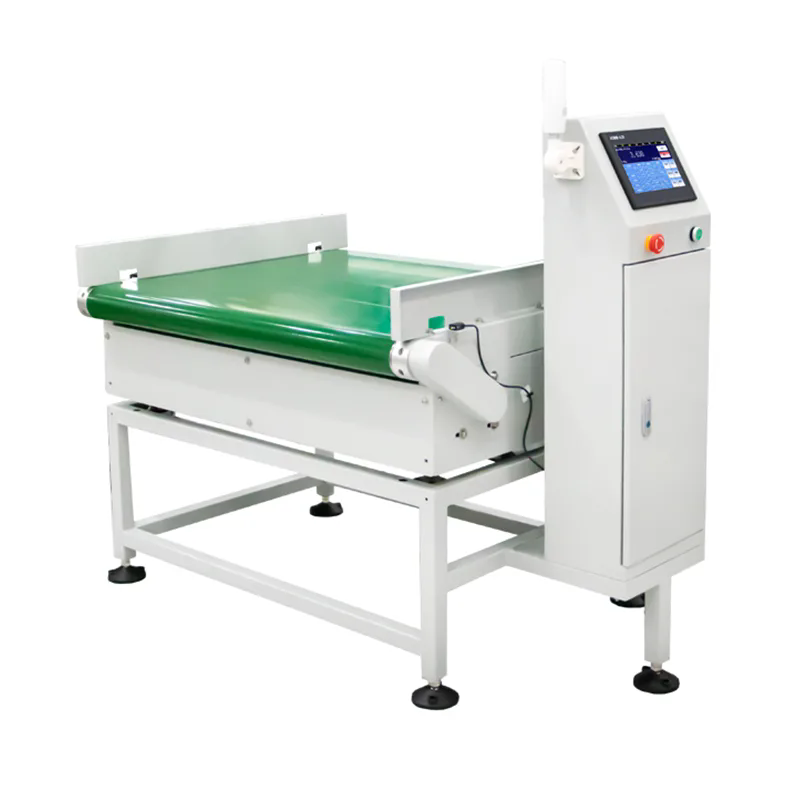
Table of Contents
- 1. Overview of Sorting Machines
- 2. How Sorting Machines Work
- 3. Types of Sorting Machines
- 4. Key Benefits
- 5. Industry Applications
- 6. How to Choose the Right Sorting Machine
- 7. Manual vs Automated Sorting
- 8. Maintenance and Optimization Tips
- 9. FAQ
1. Overview of Sorting Machines
A sorting machine is an automated system designed to classify items based on predefined criteria such as size, weight, color, shape, or material composition. These machines are widely used to streamline production lines and improve operational consistency.
Traditional manual sorting is time-consuming and prone to errors. By contrast, modern sorting machines integrate sensors, cameras, and intelligent algorithms to ensure high-speed and precise classification. This makes them indispensable for businesses aiming to scale efficiently.
2. How Sorting Machines Work
Sorting machines operate through a combination of mechanical movement and advanced detection technologies. While designs vary, most systems follow a similar workflow:
- Feeding System: Materials are evenly distributed onto conveyors or chutes.
- Detection: Sensors or cameras analyze each item based on programmed parameters.
- Processing Unit: Data is processed in real-time to determine classification.
- Separation Mechanism: Air jets, robotic arms, or diverters separate items into designated categories.
This seamless integration allows sorting machines to operate continuously with minimal human intervention, significantly boosting productivity.
3. Types of Sorting Machines
Different industries require specialized sorting solutions. Below is a comparison of common types:
| Type | Key Feature | Typical Use |
|---|---|---|
| Optical Sorting Machine | Uses cameras and sensors | Food processing, recycling |
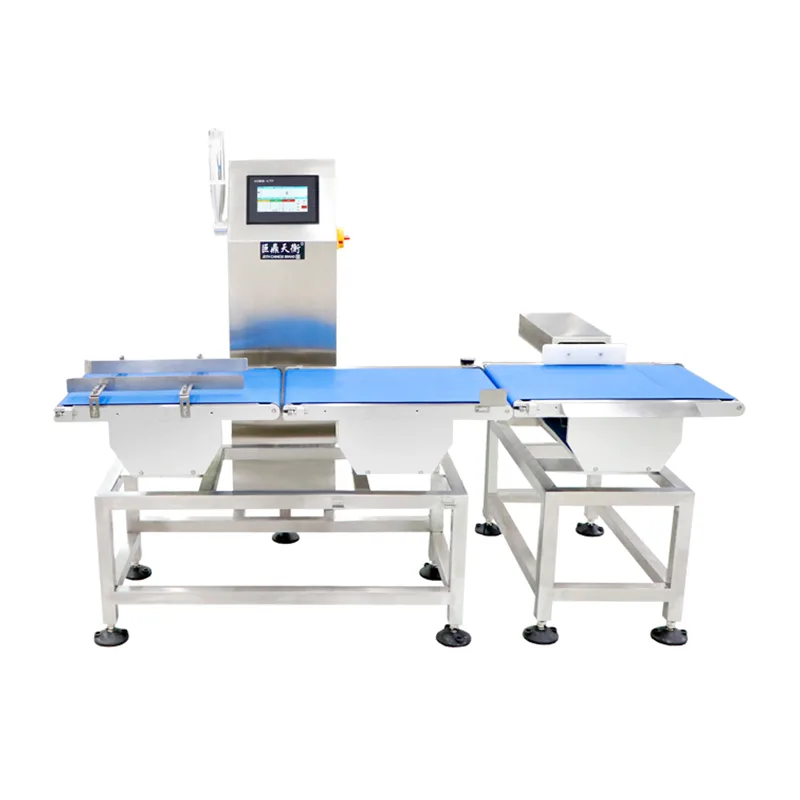
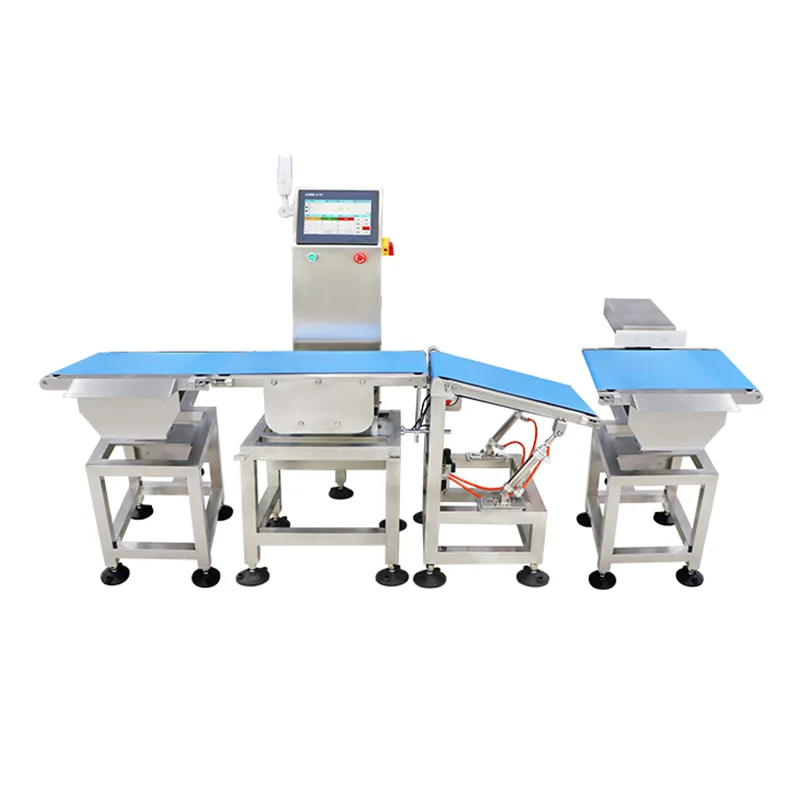
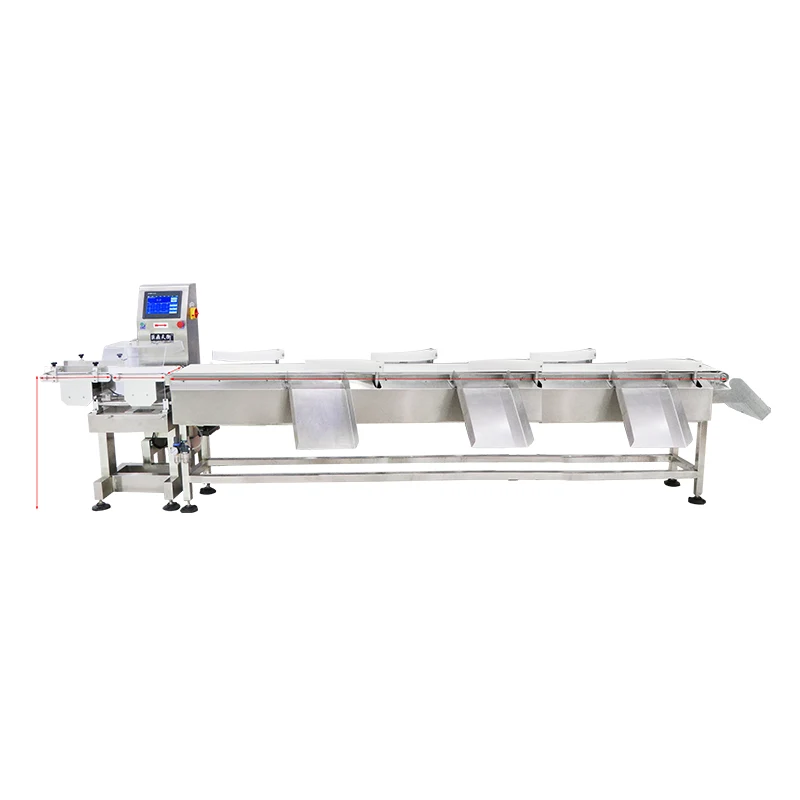
| Weight-Based Sorting Machine | Measures item weight | Logistics, packaging |
| Color Sorting Machine | Detects color variations | Agriculture, grains |
| Magnetic Sorting Machine | Separates metals | Recycling, mining |
| AI-Powered Sorting Machine | Uses machine learning | Advanced manufacturing |
4. Key Benefits
Implementing a sorting machine offers several measurable advantages:
- Increased Efficiency: Processes large volumes rapidly.
- Improved Accuracy: Reduces human error.
- Labor Cost Reduction: Minimizes reliance on manual workforce.
- Consistent Quality: Ensures uniform output.
- Scalability: Easily adapts to growing production needs.
These benefits directly address common operational pain points such as bottlenecks, inconsistent quality, and rising labor costs.
5. Industry Applications
Sorting machines are versatile and widely used across industries:
- Logistics: Parcel and package sorting in distribution centers.
- Recycling: Separation of plastics, metals, and paper.
- Agriculture: Sorting fruits, vegetables, and grains by quality.
- Manufacturing: Component classification and defect detection.
- Pharmaceuticals: Sorting pills and medical products.
Each application benefits from faster processing times and improved accuracy, leading to better overall efficiency.
6. How to Choose the Right Sorting Machine
Selecting the appropriate sorting machine requires careful evaluation of several factors:
- Material Type: Understand the physical characteristics of items.
- Sorting Criteria: Define whether sorting is based on size, color, weight, or material.
- Throughput Requirements: Determine processing capacity per hour.
- Space Availability: Ensure the system fits your facility layout.
- Budget: Balance initial investment with long-term ROI.
A tailored solution ensures maximum efficiency and cost-effectiveness.
J-sky specializes in delivering customized sorting machine solutions designed to meet diverse industrial needs. For tailored recommendations and professional guidance, contact us today to discover how we can enhance your operations.
7. Manual vs Automated Sorting
| Aspect | Manual Sorting | Automated Sorting Machine |
|---|---|---|
| Speed | Slow | High-speed processing |
| Accuracy | Inconsistent | Highly precise |
| Labor Cost | High | Reduced |
| Scalability | Limited | Easily scalable |
| Reliability | Variable | Consistent |
8. Maintenance and Optimization Tips
To ensure long-term performance, regular maintenance is essential:
- Conduct routine inspections of sensors and mechanical parts.
- Keep software updated for optimal performance.
- Clean components to prevent dust or debris interference.
- Train staff on proper operation procedures.
Proper maintenance not only extends equipment lifespan but also ensures consistent output quality.
9. FAQ
Q1: What industries benefit most from sorting machines?
Industries such as logistics, recycling, agriculture, and manufacturing see the greatest improvements in efficiency and accuracy.
Q2: Can sorting machines handle fragile items?
Yes, advanced systems are designed with gentle handling mechanisms to prevent damage.
Q3: How long does it take to see ROI?
Most businesses observe returns within months due to labor savings and increased productivity.
Q4: Are sorting machines customizable?
Yes, systems can be tailored to meet specific operational requirements.
Q5: What support is available after purchase?
J-sky provides comprehensive support, including installation guidance, maintenance services, and technical assistance—contact us to learn more.
In conclusion, a sorting machine is a powerful investment for businesses aiming to enhance efficiency, reduce costs, and maintain consistent quality. By choosing the right system and ensuring proper maintenance, companies can achieve long-term operational success. For reliable solutions and expert support, J-sky is ready to help—contact us today to get started.
Related News
- Technical Features of Weighing Machines.
- Electronic Table Scale Overview.
- The core reason for the price difference in drum checkweighers.
- What is High Speed Checkweigher: How It Works and Why It Matters in Modern Manufacturing
- How Electronic Table Scale Improves Accuracy and Efficiency in Modern Weighing Operations
- How Does an Electronic Weighbridge Improve Industrial Efficiency?
Leave me a message