English
- English
- Español
- Português
- русский
- Français
- 日本語
- Deutsch
- tiếng Việt
- Italiano
- Nederlands
- ภาษาไทย
- Polski
- 한국어
- Svenska
- magyar
- Malay
- বাংলা ভাষার
- Dansk
- Suomi
- हिन्दी
- Pilipino
- Türkçe
- Gaeilge
- العربية
- Indonesia
- Norsk
- تمل
- český
- ελληνικά
- український
- Javanese
- فارسی
- தமிழ்
- తెలుగు
- नेपाली
- Burmese
- български
- ລາວ
- Latine
- Қазақша
- Euskal
- Azərbaycan
- Slovenský jazyk
- Македонски
- Lietuvos
- Eesti Keel
- Română
- Slovenski
- मराठी
- Srpski језик
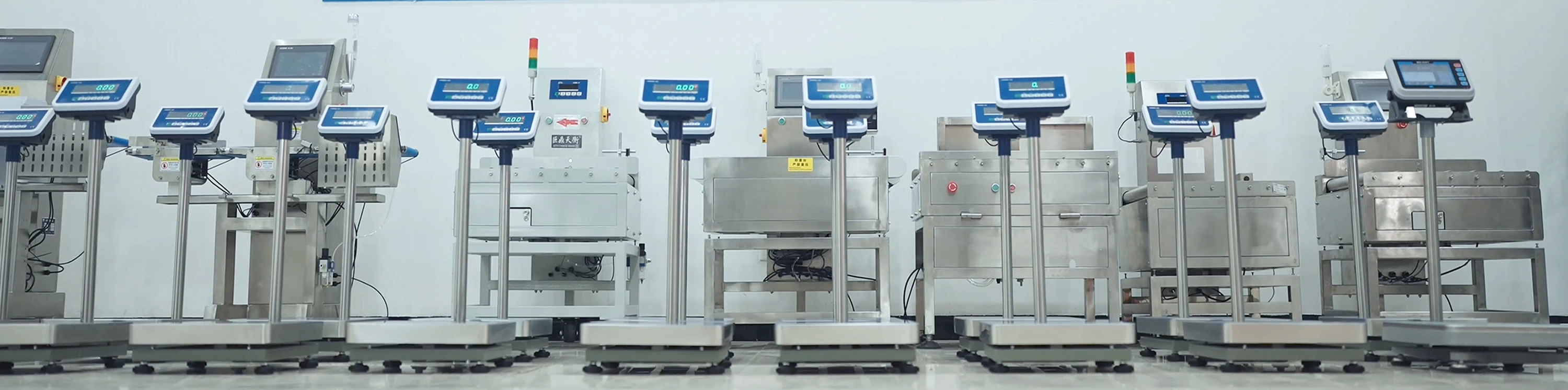
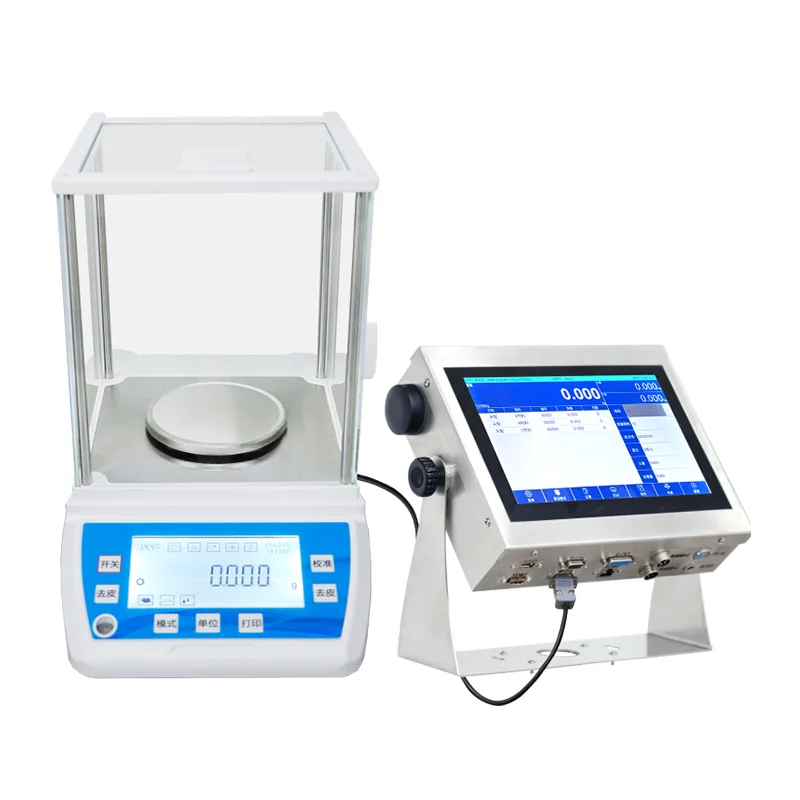
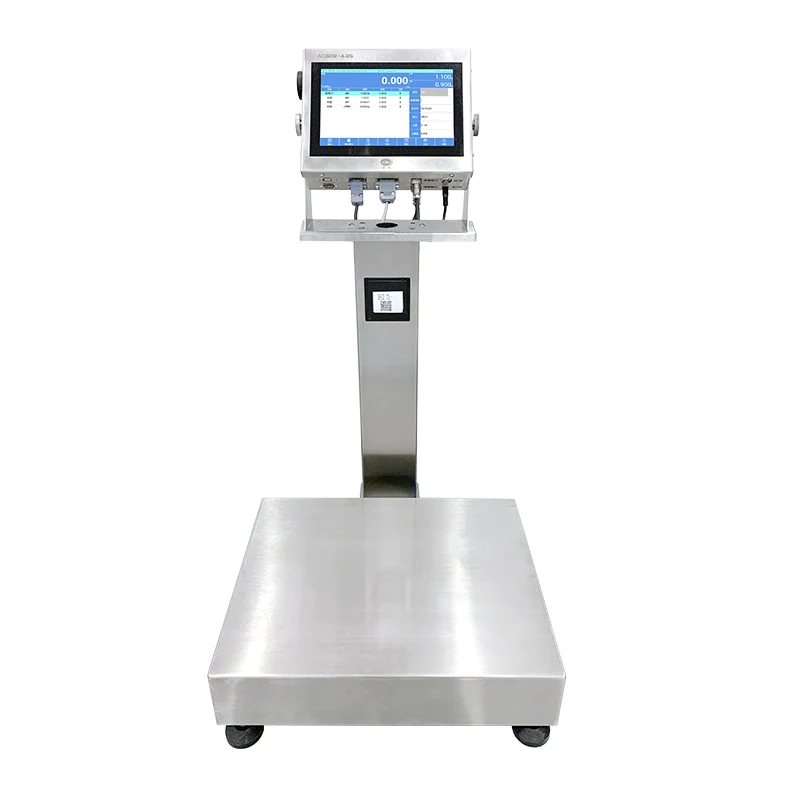
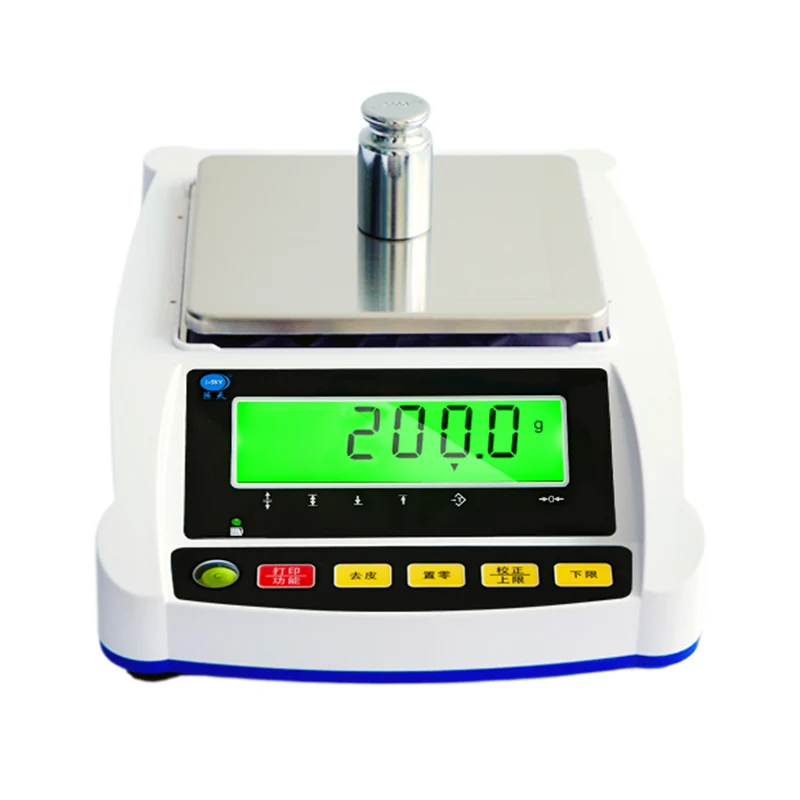
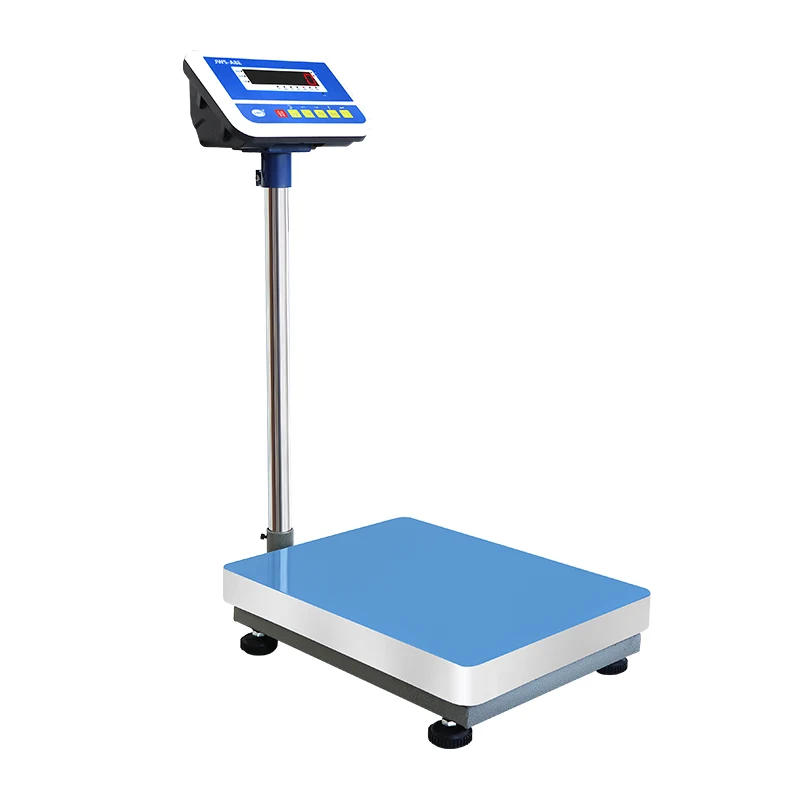
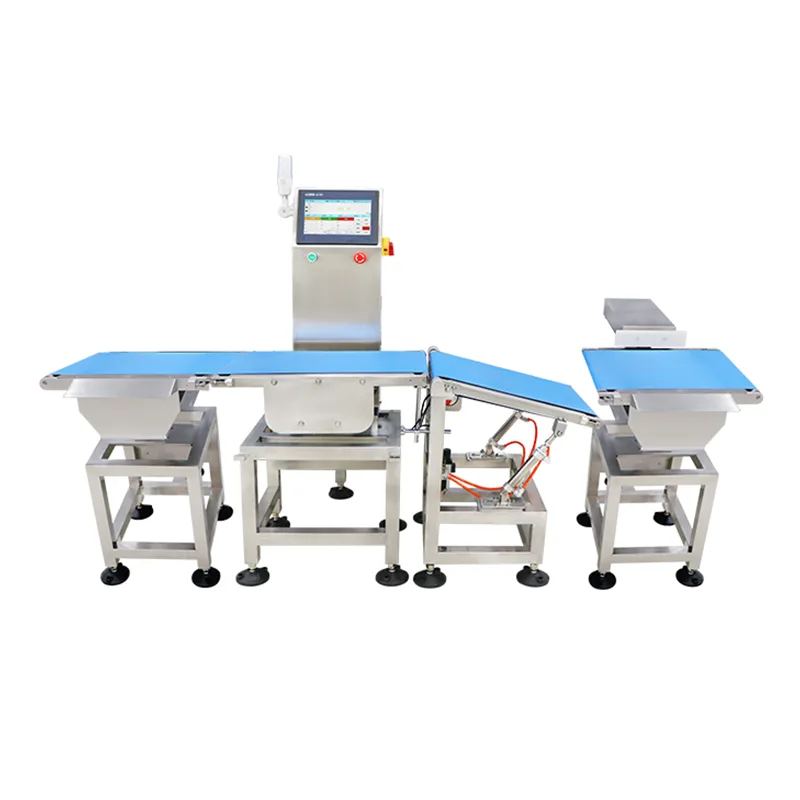
Dynamic Weigh High-Speed Checkweigher
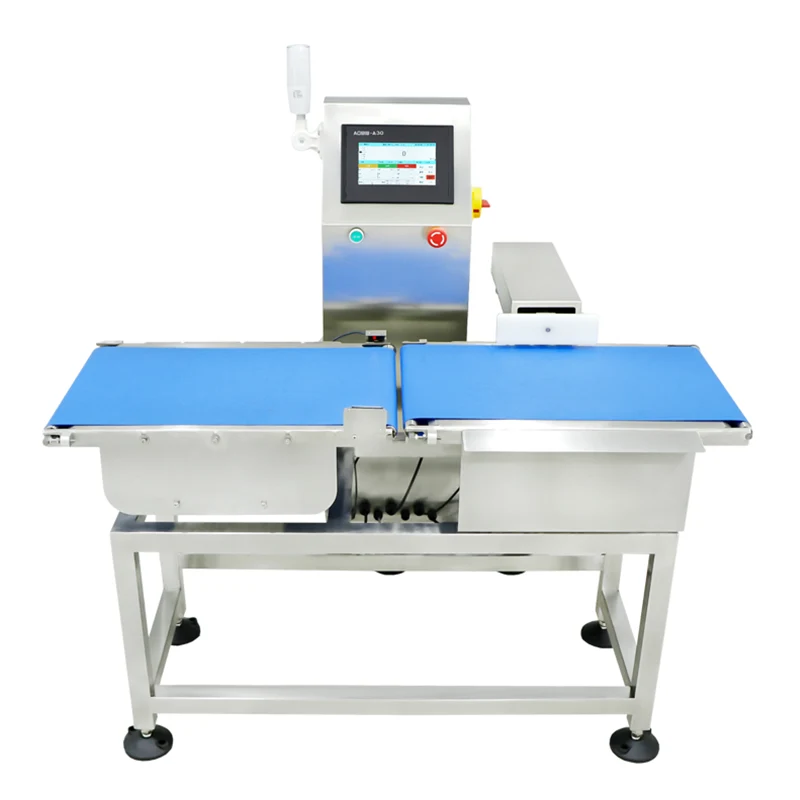
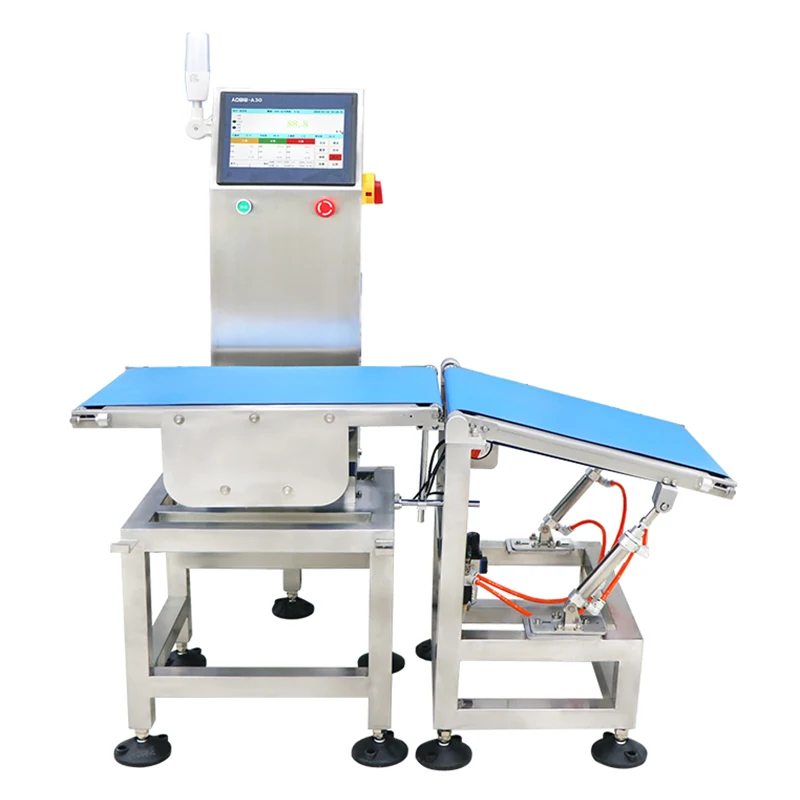
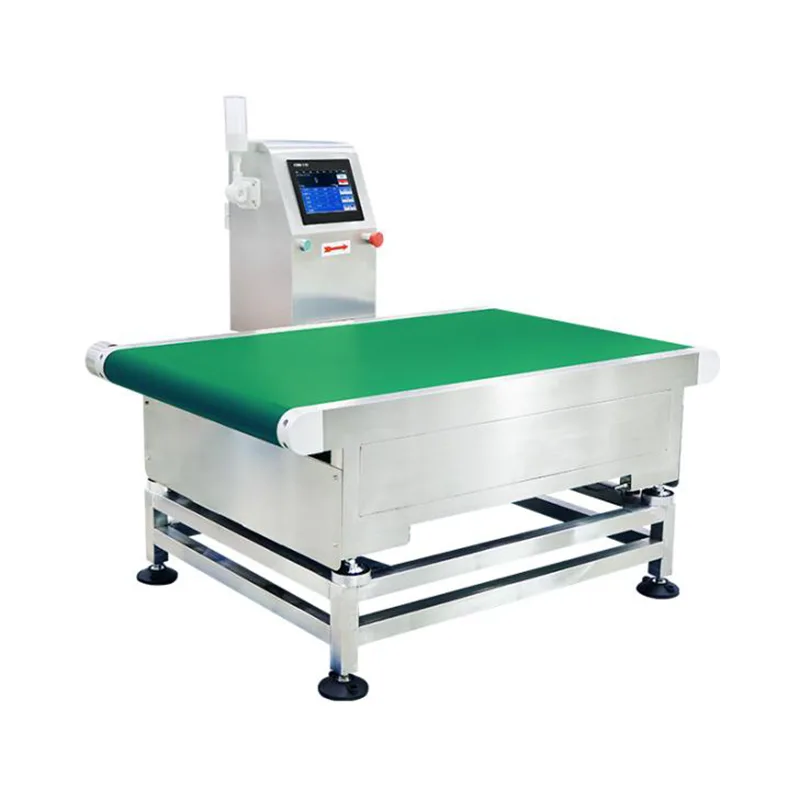
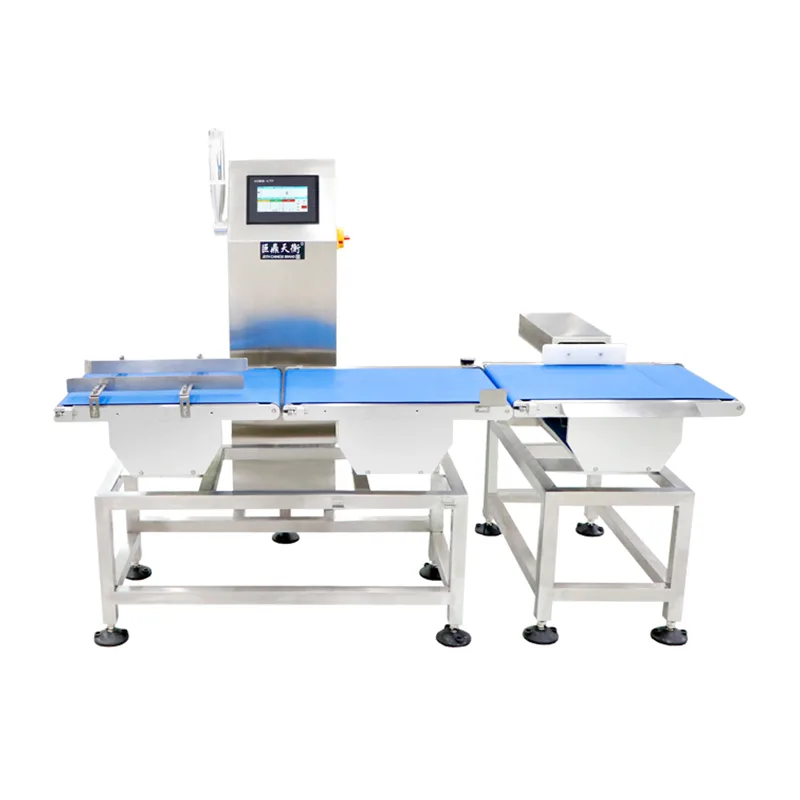
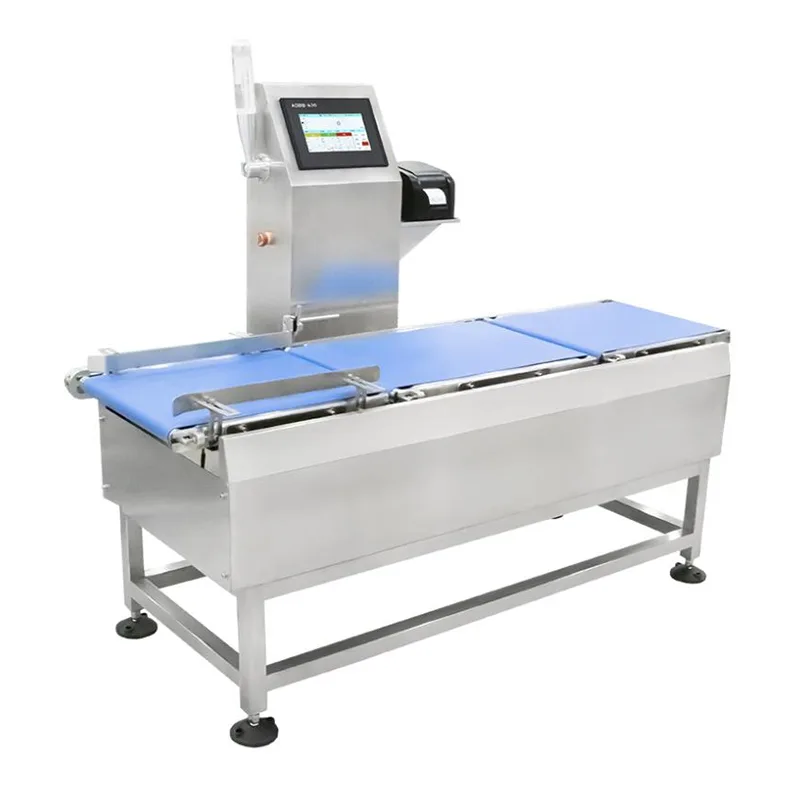
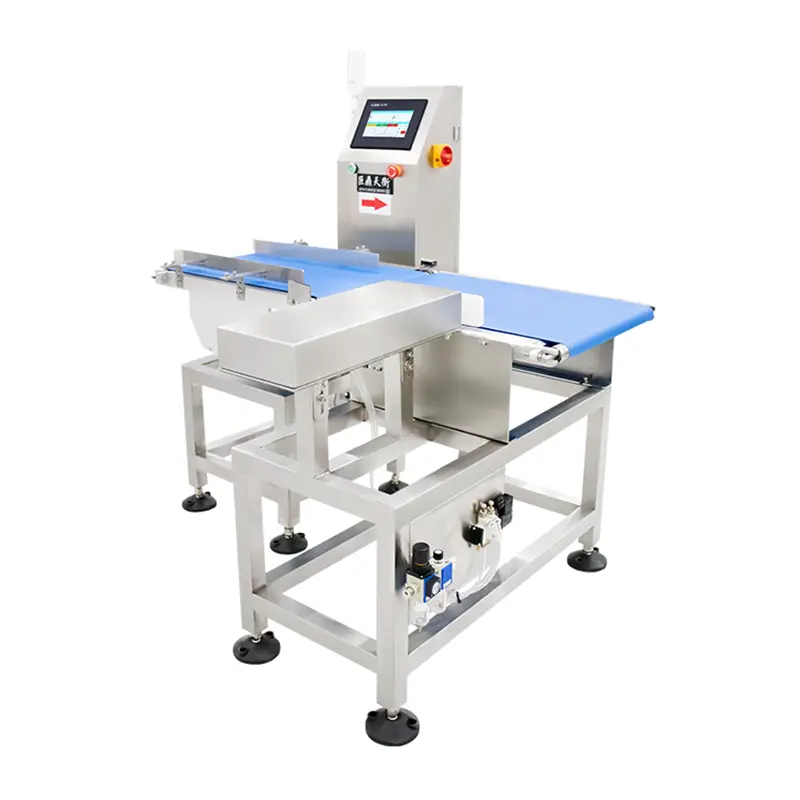
J-sky, a professional source manufacturer with advanced inline weighing technology, offers the Dynamic Weigh High-Speed Checkweigher. As a reliable supplier, we provide high-quality equipment with precise dynamic detection and automatic sorting. Suitable for various industries, it supports customized solutions and bulk procurement, enhancing production automation and quality control for enterprises.
The Dynamic Weigh High-Speed Checkweigher (JDS Series) is an inline weighing system manufactured by Jiangsu Jutian Weighing Equipment Co., Ltd. It is designed for production lines where 100% product weight verification is required at line speed, without interrupting product flow. The equipment captures weight readings while products are in motion on the conveyor, compares each reading against preset limits, and triggers a sorting mechanism to separate non-conforming items.
Dynamic weighing differs from static weighing in that the measurement is taken during conveyor movement. The system compensates for mechanical vibration and product motion through a combination of digital filtering algorithms and mechanically isolated load cells. Accuracy specifications are therefore interdependent with conveyor speed, product dimensions, and product weight—a relationship accounted for during system configuration.
Technical Specifications
|
Parameter |
Standard Specification |
Customization Notes |
|
Model Series |
JDS Series |
— |
|
Control System |
7-inch industrial touchscreen (480×800) |
10-inch (1024×600) available; UI customization supported |
|
Weighing Range |
1 g – 5,000 g |
Multi-sensor configuration for expanded range |
|
Detection Accuracy |
±0.01 g – ±20 g |
Dependent on product weight, dimensions, and conveyor speed |
|
Detection Speed |
Up to 150–300 pcs/min (product-dependent) |
Configured during engineering review based on product characteristics |
|
Sorting Mechanism |
Pass-through for qualified; pneumatic push/reject for non-conforming |
Alternative: air blast, drop flap, diverter arm |
|
Data Export |
USB storage, CSV format |
Ethernet, RS232, RS485 for host system integration |
|
User Access Control |
Multi-level password protection |
Operator / Supervisor / Administrator tiers configurable |
|
Frame Dimensions |
Configurable to line layout |
Belt width, conveyor height, and reject station position customized |
Note on accuracy: Detection accuracy is influenced by product weight, dimensions, conveyor speed, and environmental conditions. Stated accuracy ranges represent achievable performance under controlled factory testing with representative product samples. On-site commissioning establishes actual performance under production conditions.
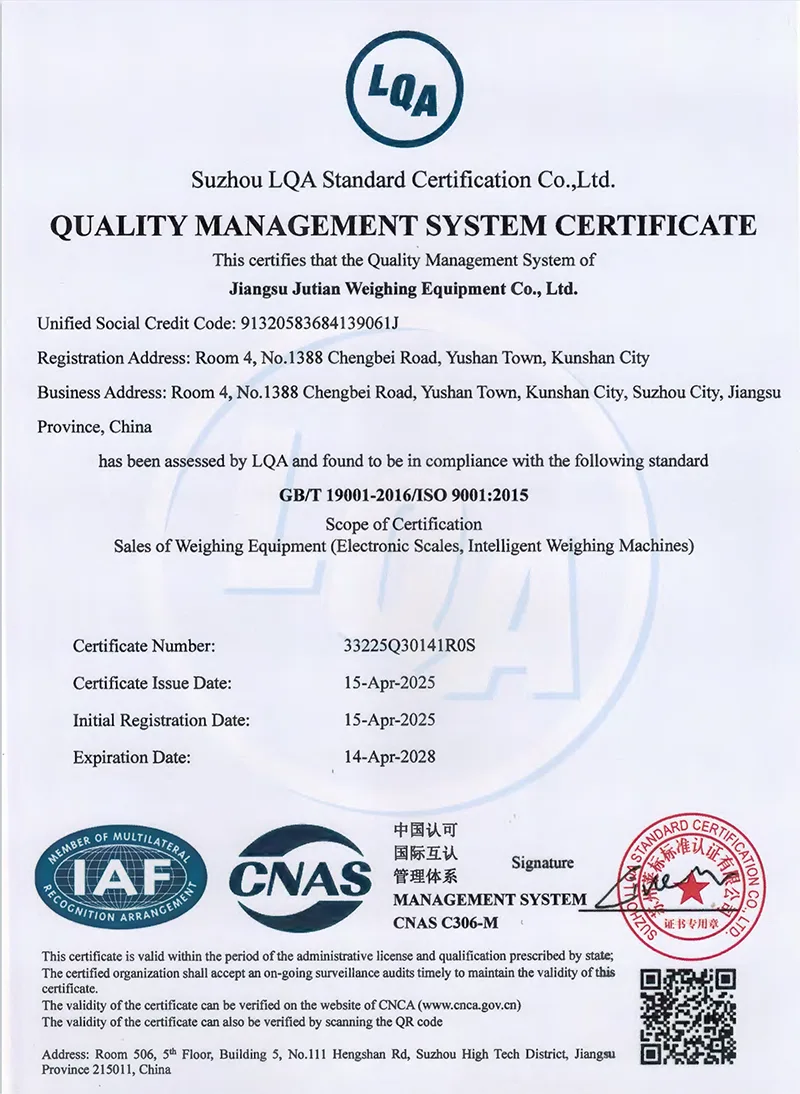
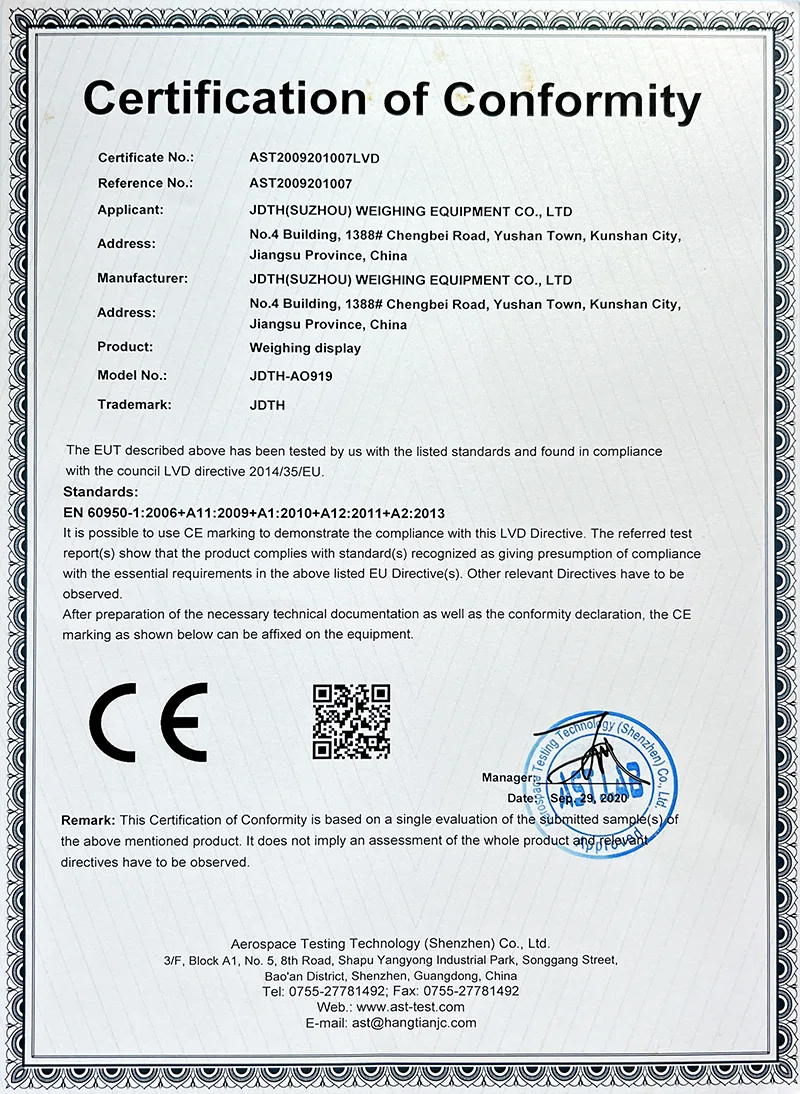
The JDS Series is developed at Jiangsu Jutian's 919 R&D Center and produced across two manufacturing facilities under ISO9001-certified quality management. The company holds 68 national patents, including multiple related to dynamic weighing algorithms and high-speed checkweighing system design. Products are CE certified.
Dynamic Weighing Technology
Sensor and signal processing: The JDS Series uses strain gauge load cells configured in a mechanically isolated weighing section. The conveyor belt over the weighing zone is supported entirely by the load cell assembly, separated from the drive motor and upstream/downstream conveyors by gaps or transfer rollers. This mechanical isolation reduces the transmission of motor vibration into the weighing signal.
Digital filtering and speed compensation: Weight readings are sampled at high frequency during the brief period each product passes over the weighing zone. Digital filtering algorithms extract a stable weight value from the dynamic signal, compensating for residual vibration and belt movement. The system's throughput capacity is determined by product length, conveyor speed, and the minimum time required for the weighing signal to stabilize.
Product Parameter Management & Sorting Logic
The touchscreen controller stores parameter sets for multiple products, including target weight, upper/lower tolerance limits, conveyor speed, and sorting mode. When a product is selected, all associated parameters load automatically, reducing changeover time between different SKUs. The system supports weight-based classification into multiple grades (e.g., underweight, acceptable, overweight) with configurable sorting actions for each grade.
Sorting mechanisms are specified during system configuration based on product characteristics and line layout. Common options include pneumatic push arms for lateral rejection, air blast nozzles for lightweight products, and drop flaps or diverter gates for integration with downstream conveyors. The reject confirmation sensor verifies that non-conforming items have been successfully removed before the next product arrives.
Operational Reliability in Industrial Environments
The structural frame is fabricated from stainless steel 304, selected for durability and compatibility with washdown environments common in food and pharmaceutical production. The touchscreen controller and electrical enclosure are sealed to IP65 or higher, depending on configuration. Wiring and sensor connections are routed through sealed conduits. The system is designed for continuous multi-shift operation, with bearings and belts specified for the intended duty cycle.
Calibration is performed through the touchscreen interface using guided single-point or multi-point procedures with certified test weights. Routine maintenance—including belt inspection, sensor zero check, and conveyor alignment verification—is accessible without specialized tools.
Typical Deployment Scenarios
|
Industry |
Application |
Detection Requirement |
|
Food & Beverage |
Net weight verification of packaged products at end-of-line |
Compliance with labeled weight regulations; underfill rejection |
|
Pharmaceutical |
Capsule, tablet, and granule package weight check |
Missing capsule/tablet detection; batch weight consistency |
|
Personal Care & Cosmetics |
Fill level verification for bottled and tubed products |
Underfill/overfill detection; automatic rejection of non-conforming units |
|
Hardware & Electronics |
Small part counting and weight verification on assembly lines |
Missing component detection; quantity verification by weight |
|
Chemical & Industrial |
Container and package weight verification |
Fill consistency; regulatory weight compliance |
FAQ (Frequently Asked Questions)
How does conveyor speed affect weighing accuracy?
Accuracy and speed are interdependent in dynamic weighing. Higher conveyor speeds reduce the time each product spends on the weighing zone, which can increase measurement variation. During system configuration, the engineering team specifies the achievable accuracy at the required throughput based on product weight and dimensions. Accuracy figures are verified during on-site commissioning with actual production samples.
What mechanisms prevent vibration from affecting weight readings?
Two design approaches are used: mechanical isolation and digital signal processing. The weighing section is mechanically separated from the drive motor and adjacent conveyors to minimize vibration transmission. On the signal side, digital filtering algorithms process the high-frequency weight samples to extract a stable value despite residual environmental vibration.
How does the system handle multiple products on the same line?
Product parameters—including target weight, tolerance limits, conveyor speed, and sorting action—are stored as named presets in the controller. Operators select the active product from the touchscreen menu, and all parameters load automatically. Changeover between presets does not require recalibration.
What data traceability features are included?
Each weight measurement is timestamped and logged with the product identifier, measured weight, tolerance status (pass/fail), and sorting result. Data can be exported via USB in CSV format or transmitted to a host system via Ethernet or serial connection. Statistical summaries—including total count, pass rate, and weight distribution—are viewable on the touchscreen in real time.
How is the sorting mechanism selected for a specific application?
Sorting mechanism selection depends on product weight, dimensions, packaging type, conveyor speed, and available line space. Pneumatic push arms are commonly used for cartons and rigid containers. Air blast systems are suitable for lightweight flexible packages. The engineering review stage determines the appropriate mechanism based on the customer's product specifications and line layout.
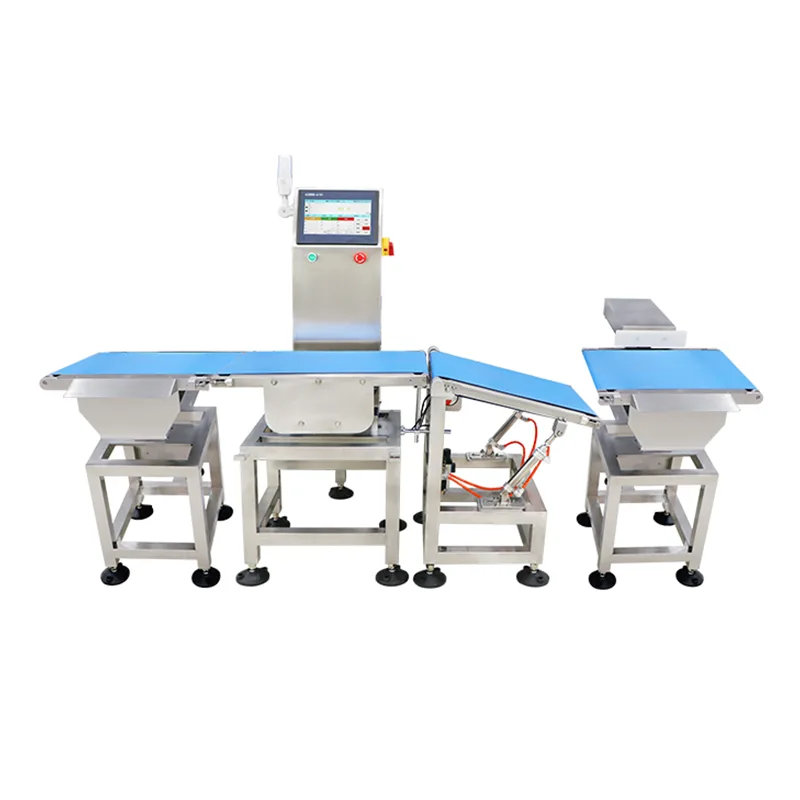
Hot Tags: Dynamic Weigh High-Speed Checkweigher
Send Inquiry
Contact Info
-
Address
Building 4, 1388# Chengbei Road, Yushan Town, Kunshan City, Jiangsu Province, China
-
Tel
-
Email
If you have any enquiry about quotation or cooperation, please feel free to email us at JDTH919@j-sky.cn or use the following inquiry form. Our sales representative will contact you within 24 hours. Thank you for your interest in our products.