English
- English
- Español
- Português
- русский
- Français
- 日本語
- Deutsch
- tiếng Việt
- Italiano
- Nederlands
- ภาษาไทย
- Polski
- 한국어
- Svenska
- magyar
- Malay
- বাংলা ভাষার
- Dansk
- Suomi
- हिन्दी
- Pilipino
- Türkçe
- Gaeilge
- العربية
- Indonesia
- Norsk
- تمل
- český
- ελληνικά
- український
- Javanese
- فارسی
- தமிழ்
- తెలుగు
- नेपाली
- Burmese
- български
- ລາວ
- Latine
- Қазақша
- Euskal
- Azərbaycan
- Slovenský jazyk
- Македонски
- Lietuvos
- Eesti Keel
- Română
- Slovenski
- मराठी
- Srpski језик
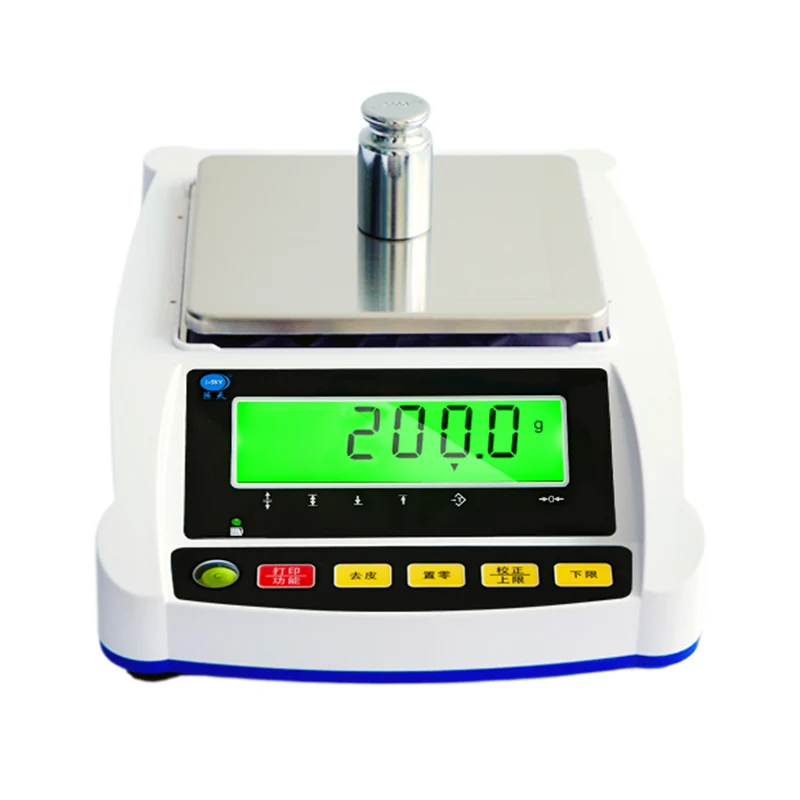
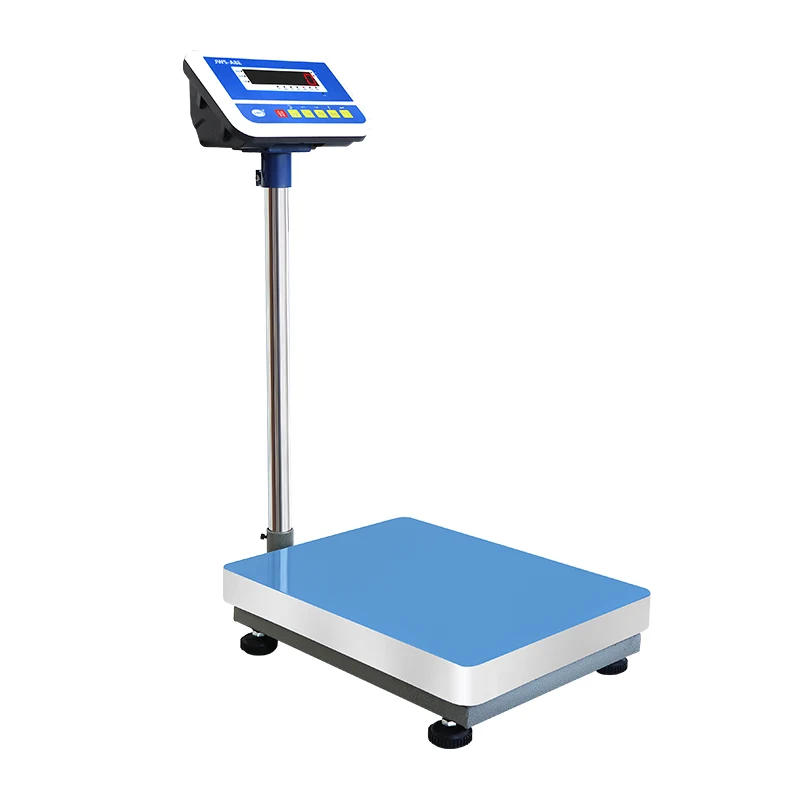
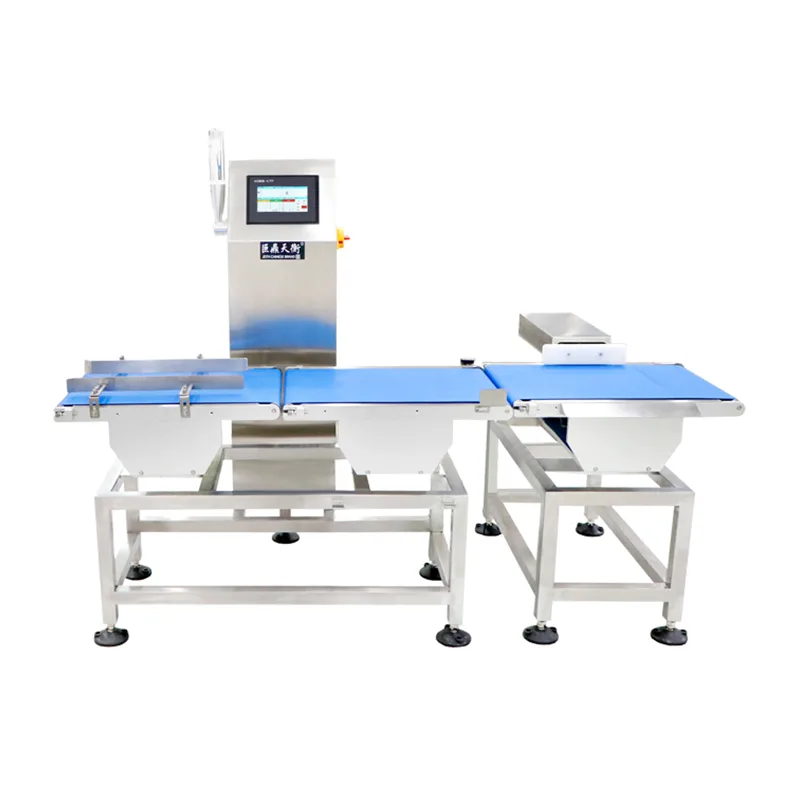
Intelligent Online Checkweigher
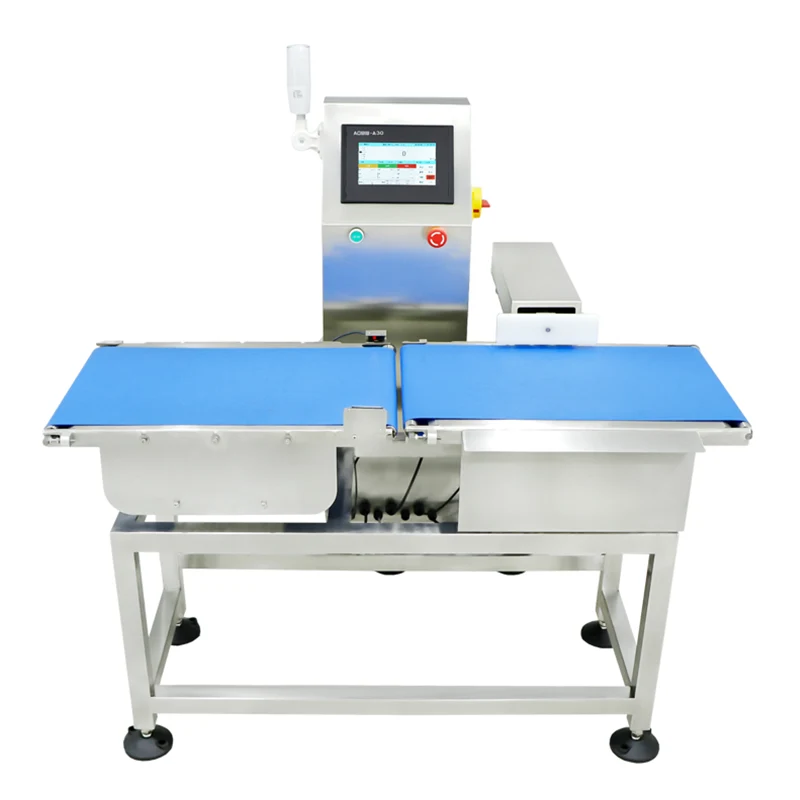
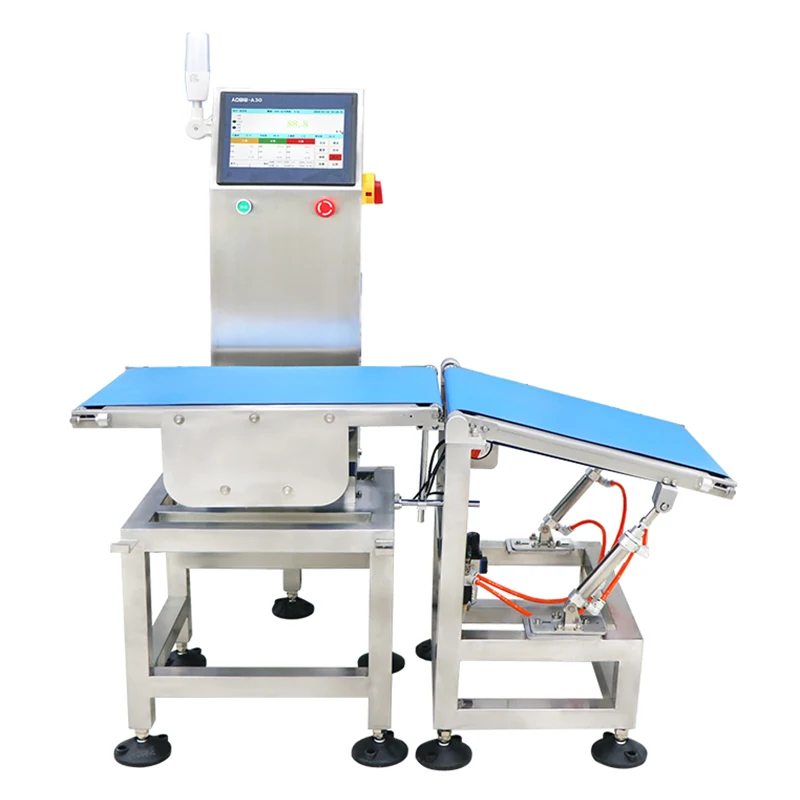
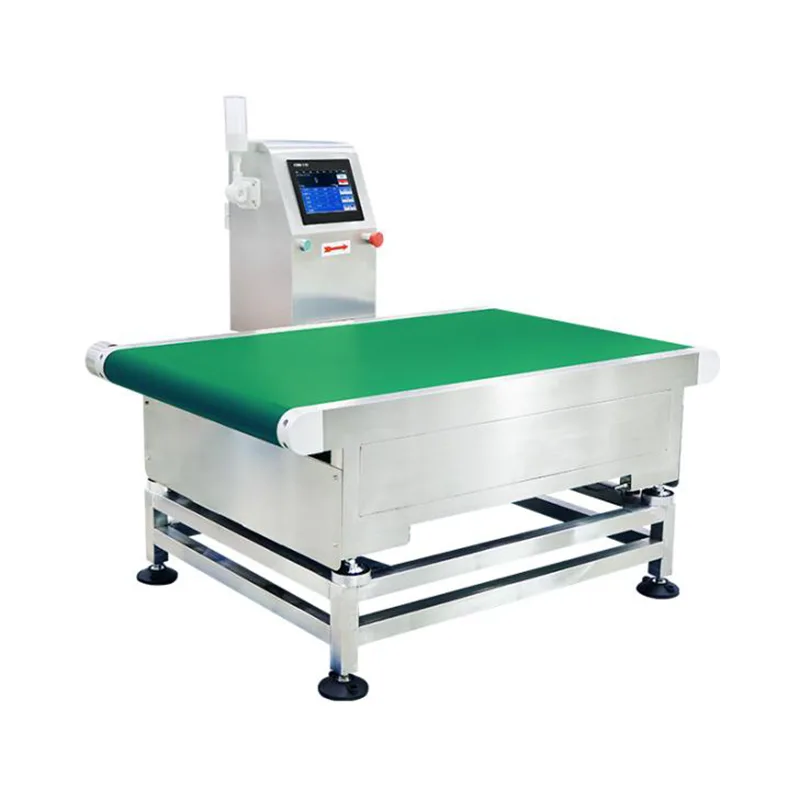
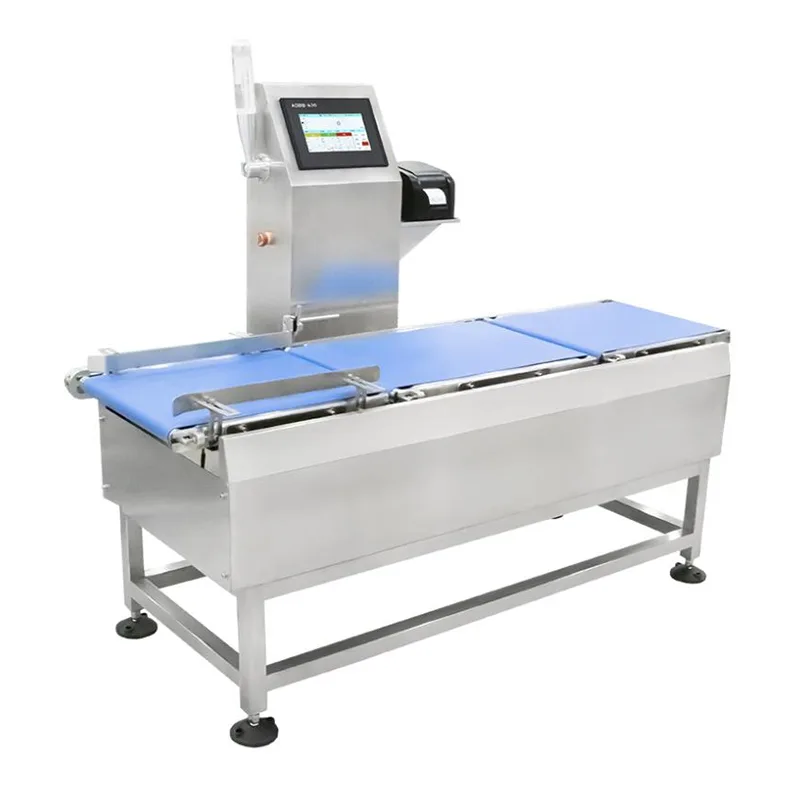
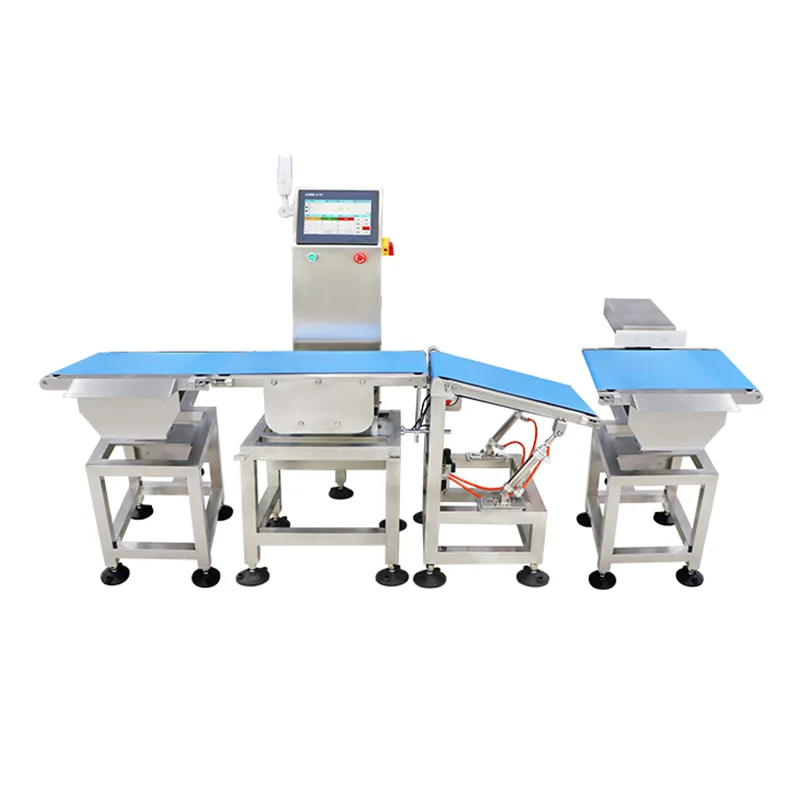
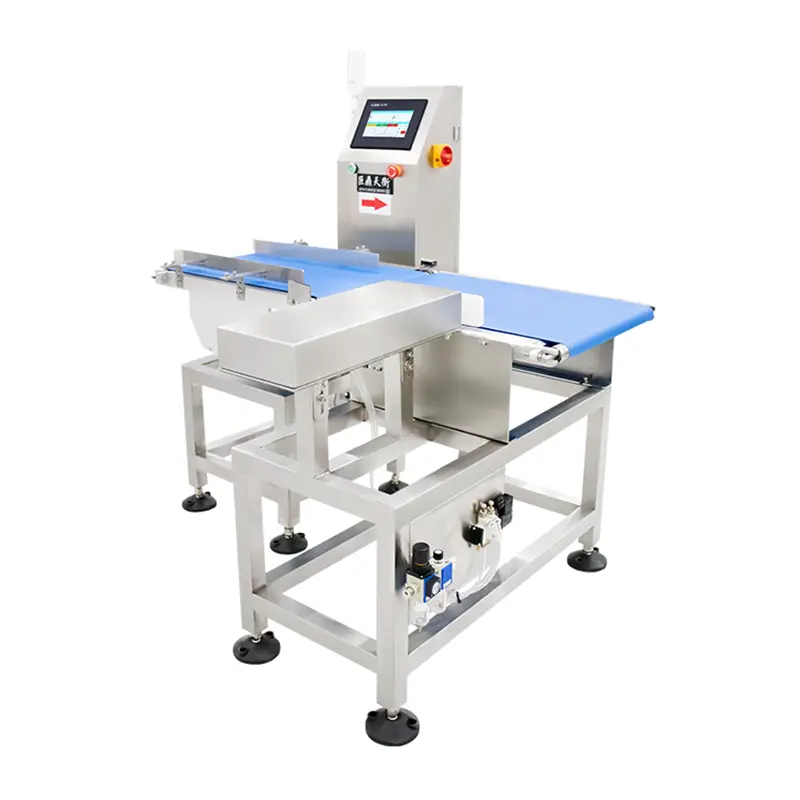
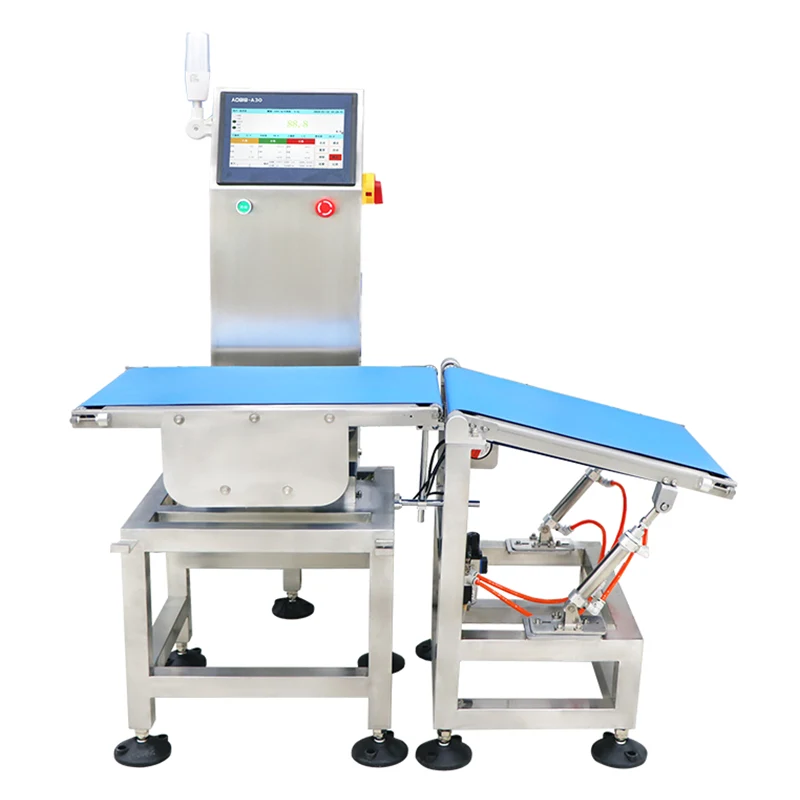
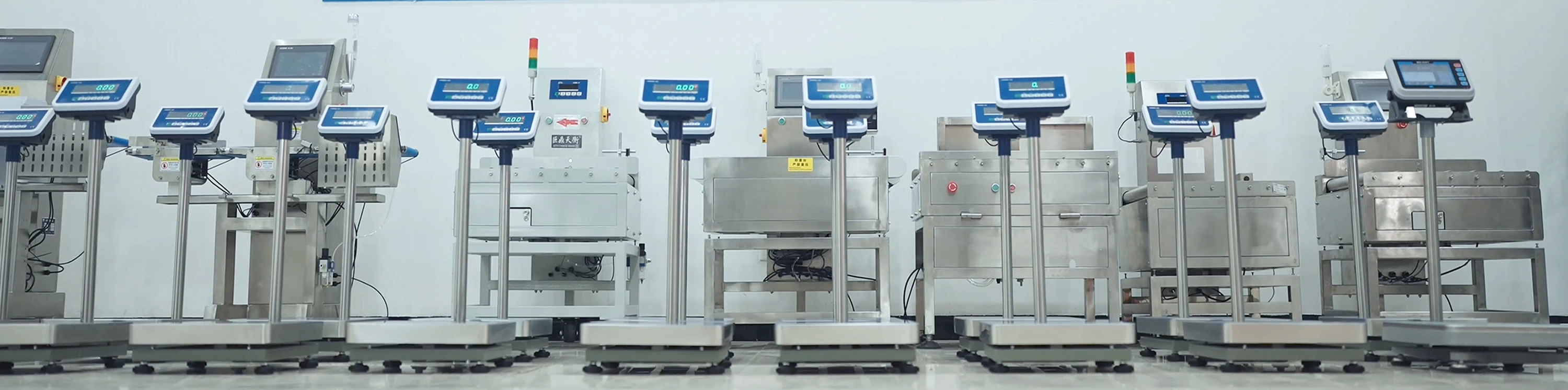
J-Sky ensures reliable quality and stable supply, helping buyers obtain industrial equipment at favorable prices. The A30 Intelligent Online Checkweigher System automatically weighs moving products, judges pass/fail, and records data for traceability. It supports multi-product management and easy calibration. You can buy in bulk or choose customized parameters to match different production line speeds and industry needs.
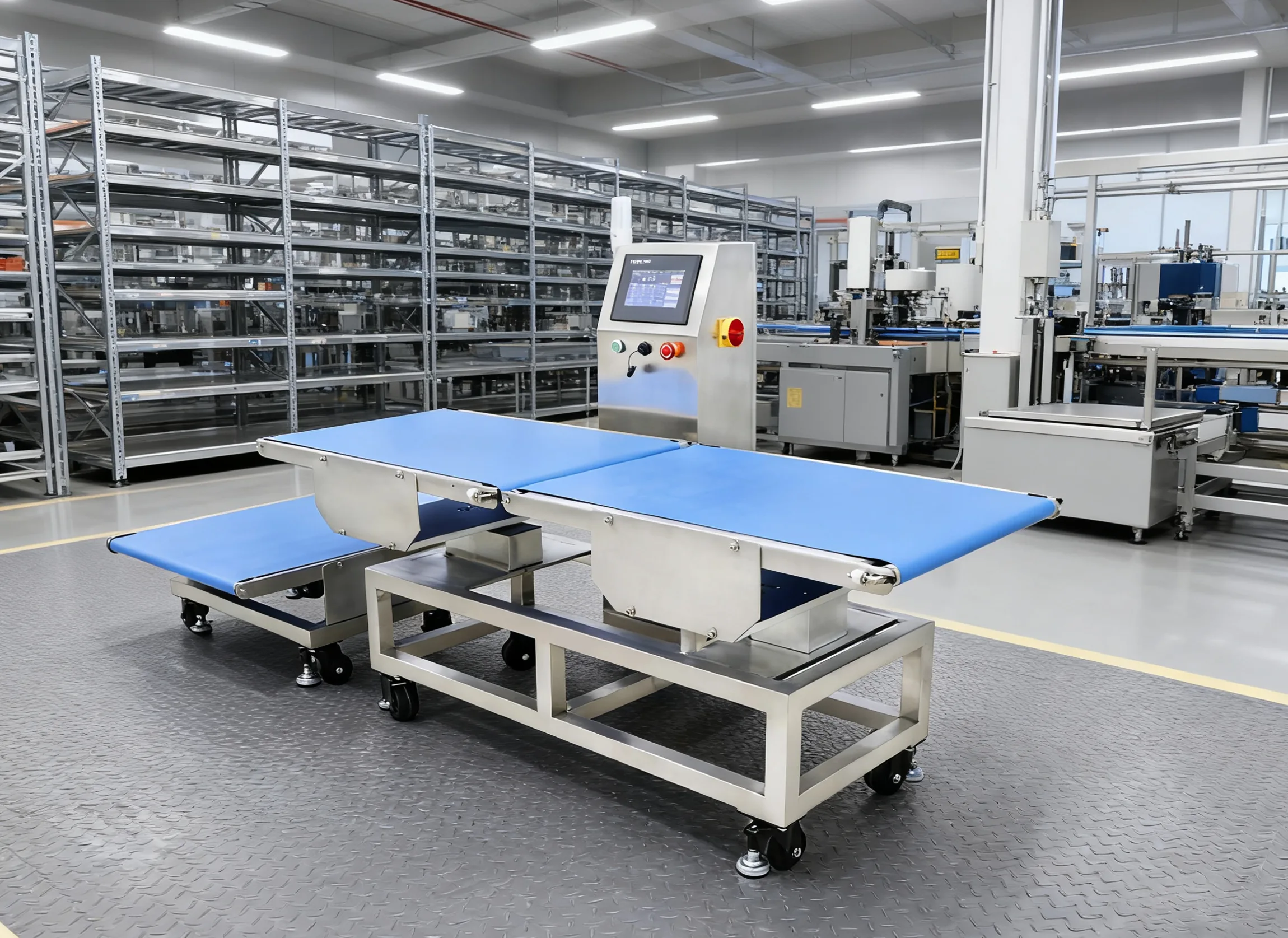
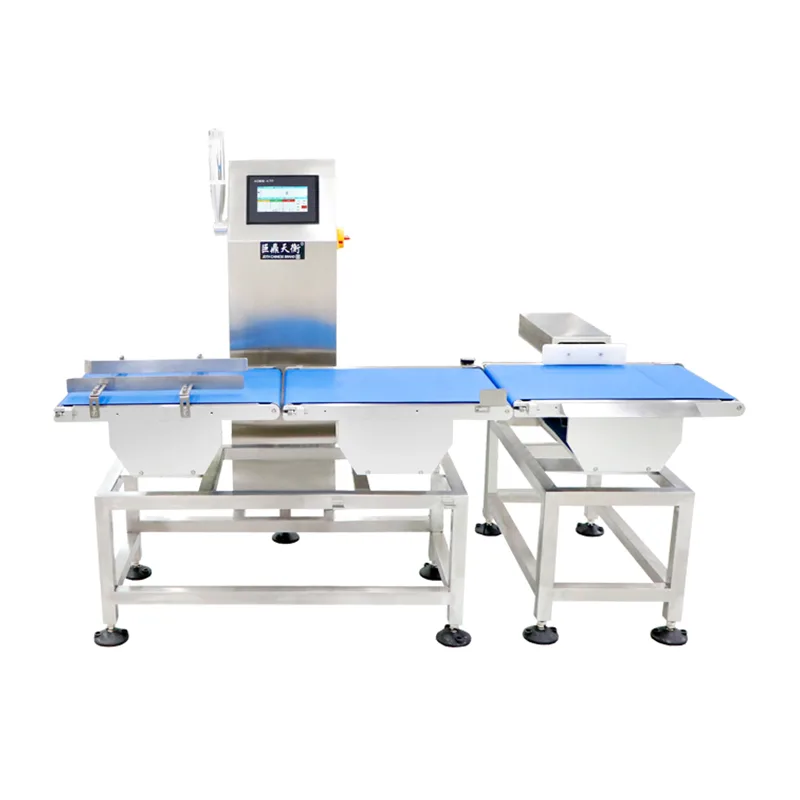
The A30 Intelligent Online Checkweigher is a high-speed belt checkweighing system manufactured by Jiangsu Jutian Weighing Equipment Co., Ltd. It is built on an embedded Linux control platform and designed for continuous, in-motion weight inspection on production and packaging lines. The system captures weight readings as products pass over a load cell-integrated conveyor section, compares each reading against stored parameters, and triggers a configurable output based on the pass/fail result—all without altering the existing line speed or product spacing.
The use of an embedded Linux operating system provides a real-time multitasking environment for weight signal processing, touchscreen user interface management, data logging, and communication. This architecture allows the system to handle high-speed inspection tasks while maintaining the flexibility to adapt communication protocols, data formats, and peripheral integrations.
System Architecture and Signal Processing Chain
The Intelligent Online Checkweigher comprises four functional sections: infeed conveyor, weighing conveyor, outfeed conveyor, and the Linux-based control unit. The signal chain operates as follows:
1. Product detection and triggering: A photoelectric sensor positioned at the infeed-to-weighing transition detects the leading edge of an incoming product. The sensor signal is routed to the controller's digital input, which initiates the weight capture sequence based on a preconfigured delay and product length.
2. Weight signal acquisition: The weighing conveyor is mounted on a strain gauge load cell assembly mechanically isolated from the drive motor and adjacent conveyors. The analog weight signal is amplified, filtered, and digitized by the controller's high-speed ADC module. Sampling rates are configured to capture multiple readings during the brief period the product is fully on the weighing section.
3. Digital filtering and weight calculation: The Linux system applies digital filtering algorithms to the sampled data stream, compensating for residual mechanical vibration and belt noise. A stable weight value is extracted and compared in real time against the product's target weight and tolerance limits stored in the parameter database.
4. Decision and output: The system classifies the product as pass or fail based on the comparison result. For fail conditions, configurable output signals can trigger an audible alarm, a visual indicator, a conveyor stop, or a reject mechanism. The decision is executed within the product's transit time through the outfeed section.
5. Data recording: Each inspection event—including timestamp, product identifier, measured weight, and pass/fail status—is logged to internal storage and is available for USB export in CSV format.
Main Technical Parameters
|
Parameter |
Specification |
|
Model |
JDT-CZ-A30 |
|
Control Platform |
Embedded Linux OS |
|
Display |
7-inch or 10-inch HD touchscreen (480×800 / 1024×600) |
|
Maximum Capacity |
300 g – 10,000 g (configurable) |
|
Detection Accuracy |
±0.1 g – ±5 g (dependent on product, speed, and environment) |
|
Weighing Units |
g, kg, lb, t, and additional units configurable |
|
Product Management |
Multi-product parameter storage with search and one-click recall |
|
Operation Modes |
Auto checkweighing; pass convey, fail alarm/stop/reject |
|
Data Export |
USB (CSV format); optional network export via Ethernet |
|
Calibration |
Single-point with certified weights or reference standard |
|
Communication Interfaces |
COM port (RS232/RS485), Ethernet (configurable protocol) |
|
Operating Environment |
Standard industrial; avoid high temperature, condensing humidity, and strong vibration |
|
Power Supply |
Per equipment nameplate specification |
Accuracy note: Achievable accuracy depends on product weight, dimensions, conveyor speed, and environmental stability. Specifications are verified under controlled factory conditions with representative samples and confirmed during on-site commissioning.
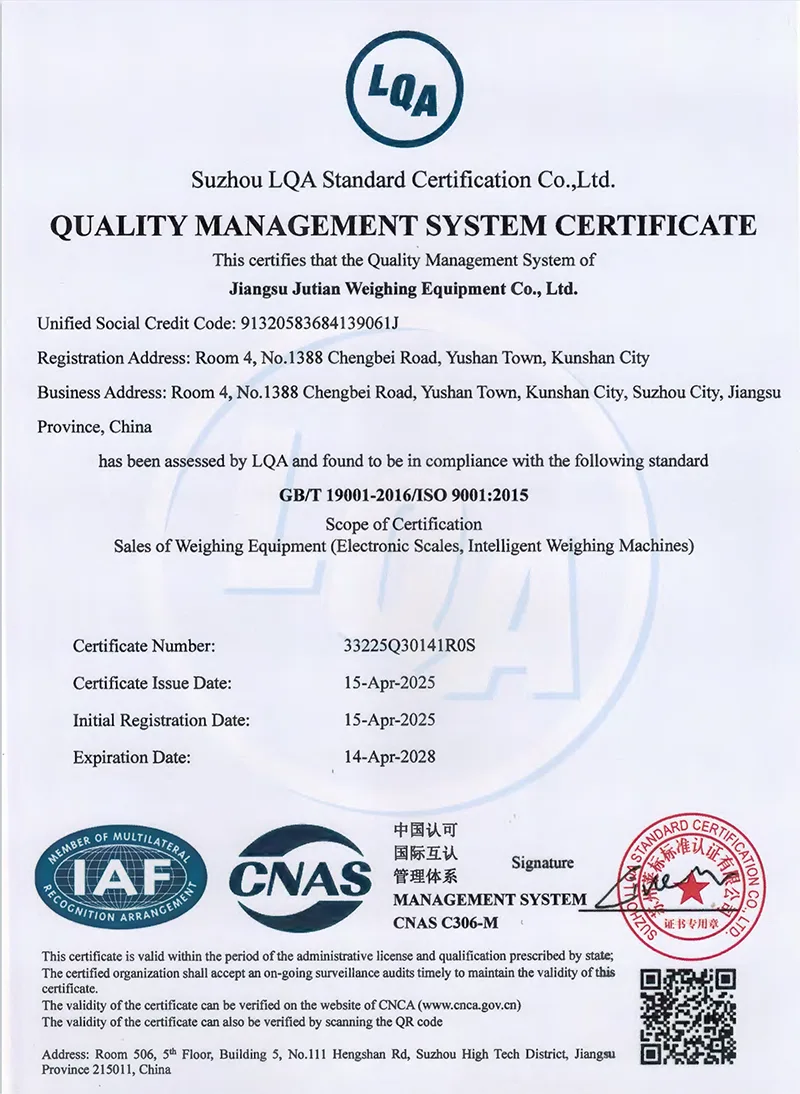
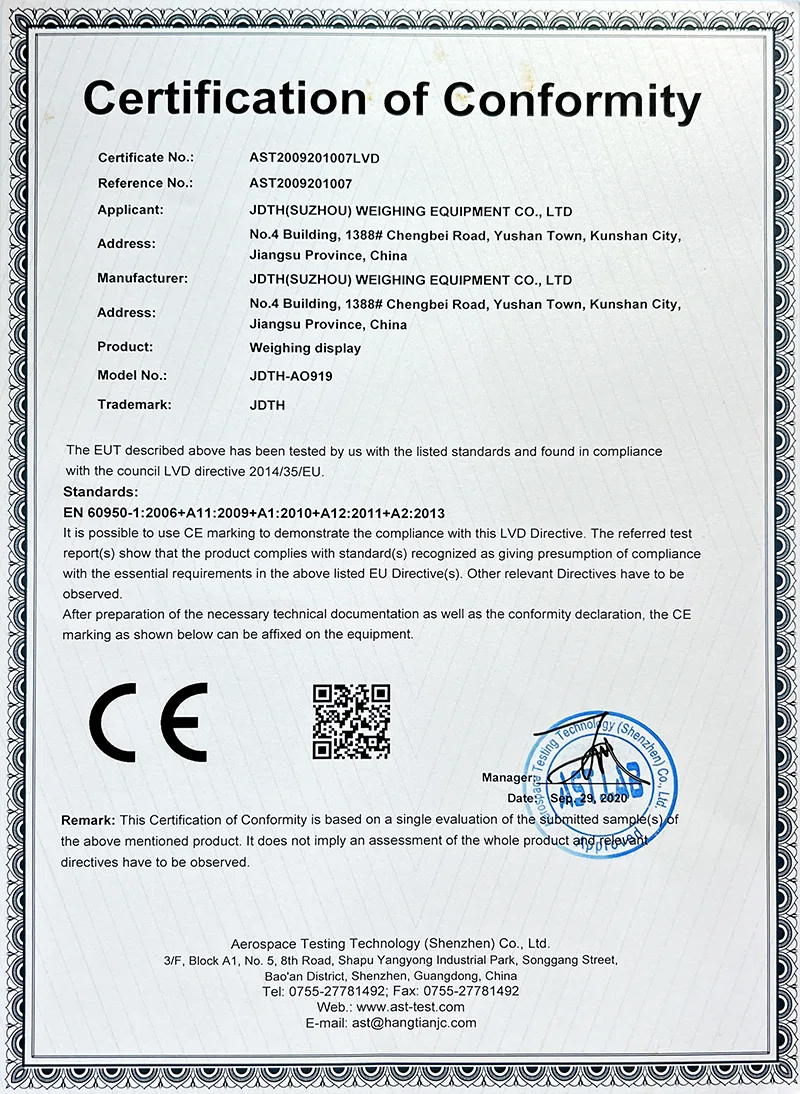
Jiangsu Jutian Weighing Equipment Co., Ltd. has over 20 years of experience in weighing instrumentation and automated systems. The company holds ISO9001 certification, CE product certification, 68 national patents, and 20 software copyrights. Manufacturing is conducted in two facilities under standardized quality procedures, with system development led by the 919 R&D Center.
Linux Embedded System and Software Capabilities
The choice of an embedded Linux platform provides several functional characteristics relevant to industrial checkweighing applications. The real-time kernel handles weight signal acquisition and decision output with deterministic timing, ensuring that the pass/fail signal is generated within the product's transit window. The multitasking architecture allows the touchscreen user interface, data logging, and network communication to operate concurrently without interrupting the inspection cycle.
The user interface supports both Chinese and English language display, with parameter configuration accessible through structured menu pages. Multi-level user permissions restrict critical settings—such as tolerance limits and calibration parameters—to authorized personnel. Software updates can be applied via USB or network connection, allowing field upgrades without hardware modification.
The system's communication stack supports standard serial and Ethernet protocols. Data output format, transmission interval, and handshake method are configurable to match the requirements of host systems such as MES, SCADA, or plant data collection servers. For applications requiring integration with reject mechanisms, the I/O output can be configured to drive pneumatic valves, relays, or indicator stacks.
Typical Inspection Scenarios
|
Line Type |
Inspection Task |
|
Packaging lines (bags, cartons, boxes) |
Verify net weight; detect missing items or underfilled packages |
|
Logistics sorting and outbound verification |
Confirm parcel weight against manifest; flag overweight/underweight shipments |
|
Chemical and daily chemical filling lines |
Control fill level in bottles, tubes, or barrels |
|
Food and pharmaceutical production |
Compliance weight inspection; batch record data generation |
|
Industrial component assembly |
Check completeness of assembled kits or subassemblies by weight |
FAQ (Frequently Asked Questions)
What advantage does the embedded Linux system provide over a standard microcontroller?
The Linux platform offers multitasking capability and a standardized software environment. This enables concurrent operation of the inspection routine, touchscreen display updates, data logging, and network communication without timing conflicts. It also simplifies protocol customization and supports standard networking tools for integration with plant IT systems.
How is the checkweigher calibrated, and how often is recalibration needed?
Calibration is performed using certified test weights through a guided single-point routine on the touchscreen. Recalibration frequency depends on the operating environment and the facility's quality system—daily or per-shift verification is common in regulated industries. The system allows calibration to be completed without disassembly.
Can the system communicate with our existing MES or database server?
The standard Ethernet interface supports TCP/IP communication. Data format and transmission protocol can be adapted during commissioning to match the receiving system's requirements. For non-standard integrations, the engineering team can provide protocol documentation or configure the data output accordingly.
What determines the maximum throughput of the checkweigher?
Throughput is determined by product length, conveyor speed, and the minimum time required for the weight signal to stabilize. Longer products or higher accuracy requirements typically require slower speeds or larger weighing sections. Throughput estimates are provided during the engineering review based on the customer's product samples and speed expectations.
How are reject mechanisms integrated with the checkweigher?
The controller provides digital I/O outputs that can be configured to drive pneumatic pushers, air blast nozzles, or diverter gates. The output timing is synchronized with the tracked product position. The specific mechanism and its integration are defined during system configuration based on product characteristics and line layout.
Hot Tags: Intelligent Online Checkweigher, Manufacturer, Supplier, Factory
Send Inquiry
Contact Info
-
Address
Building 4, 1388# Chengbei Road, Yushan Town, Kunshan City, Jiangsu Province, China
-
Tel
-
Email
If you have any enquiry about quotation or cooperation, please feel free to email us at JDTH919@j-sky.cn or use the following inquiry form. Our sales representative will contact you within 24 hours. Thank you for your interest in our products.