English
- English
- Español
- Português
- русский
- Français
- 日本語
- Deutsch
- tiếng Việt
- Italiano
- Nederlands
- ภาษาไทย
- Polski
- 한국어
- Svenska
- magyar
- Malay
- বাংলা ভাষার
- Dansk
- Suomi
- हिन्दी
- Pilipino
- Türkçe
- Gaeilge
- العربية
- Indonesia
- Norsk
- تمل
- český
- ελληνικά
- український
- Javanese
- فارسی
- தமிழ்
- తెలుగు
- नेपाली
- Burmese
- български
- ລາວ
- Latine
- Қазақша
- Euskal
- Azərbaycan
- Slovenský jazyk
- Македонски
- Lietuvos
- Eesti Keel
- Română
- Slovenski
- मराठी
- Srpski језик
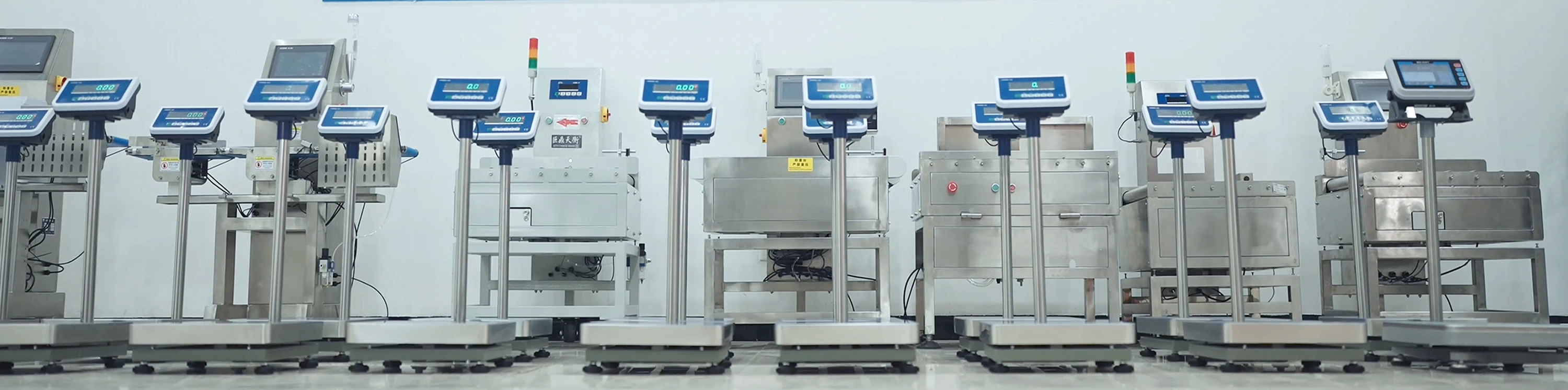
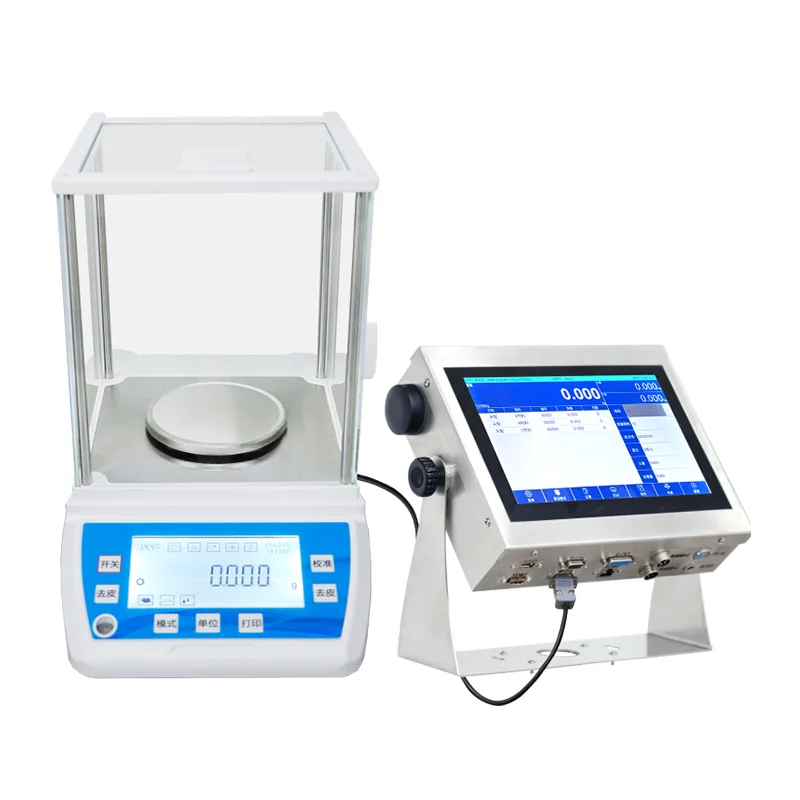
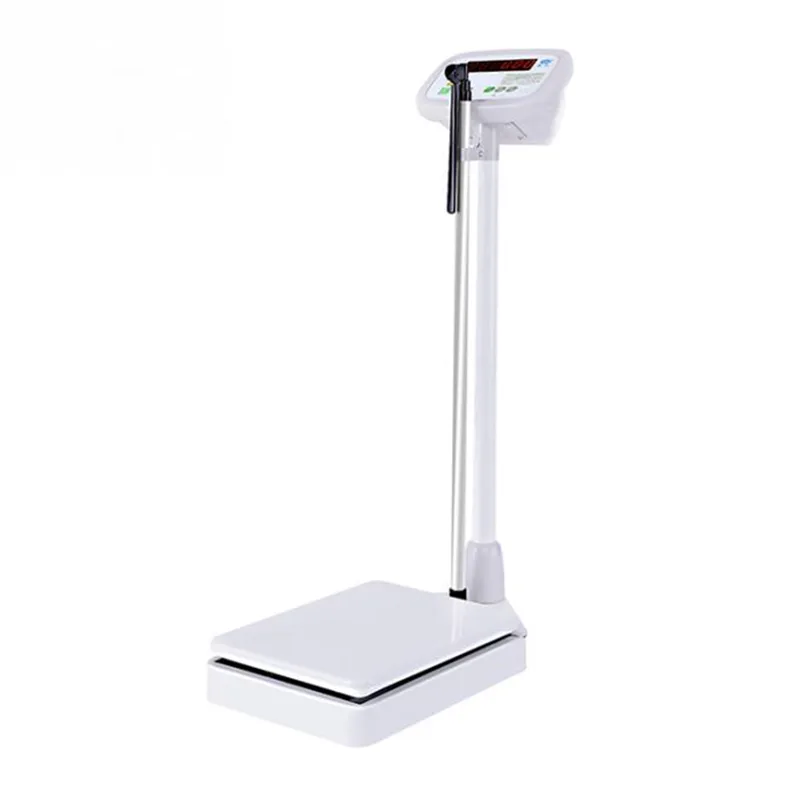
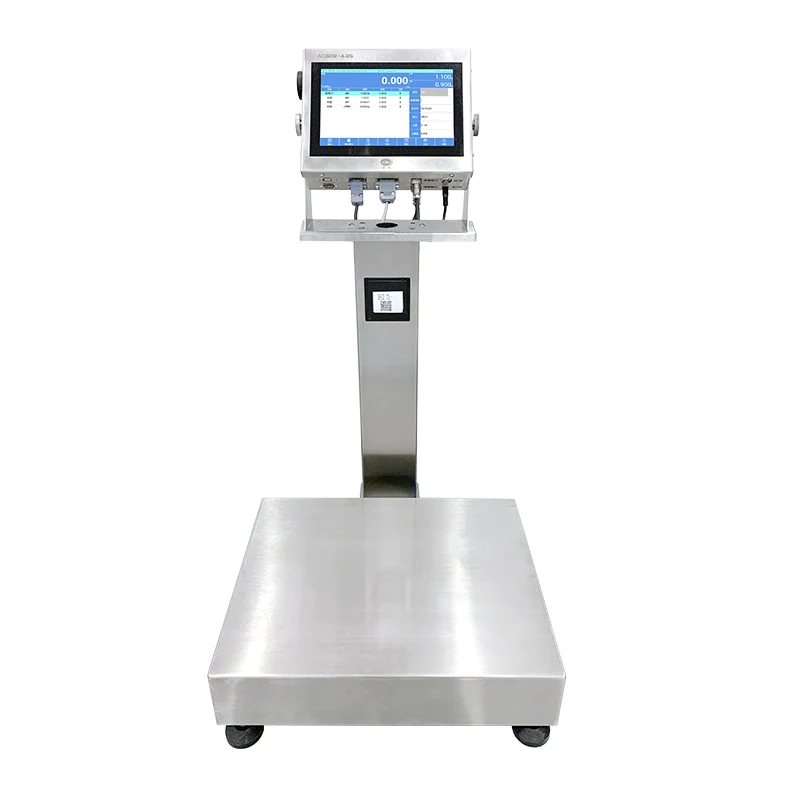
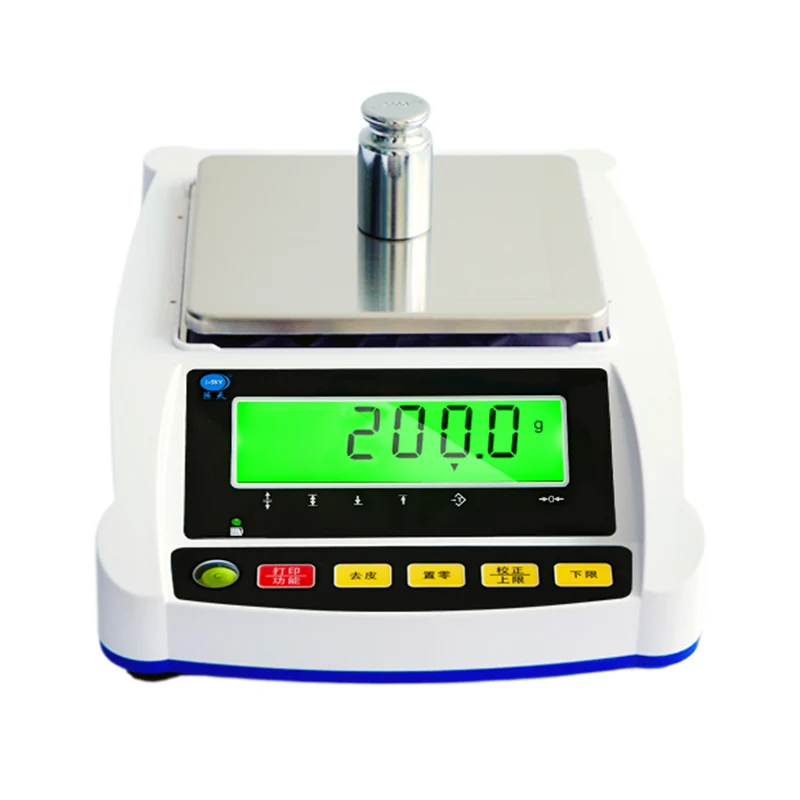
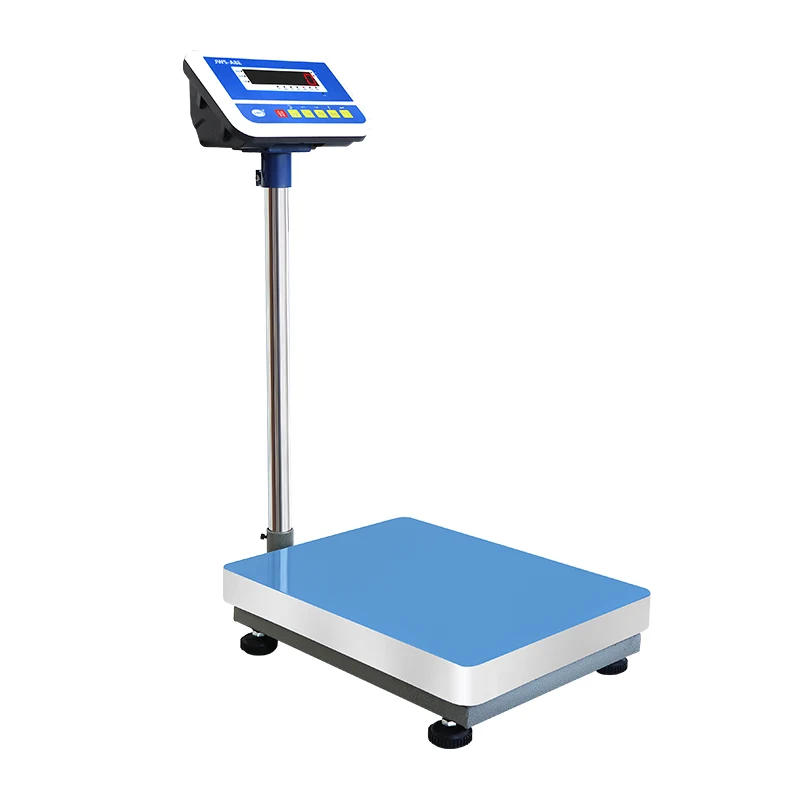
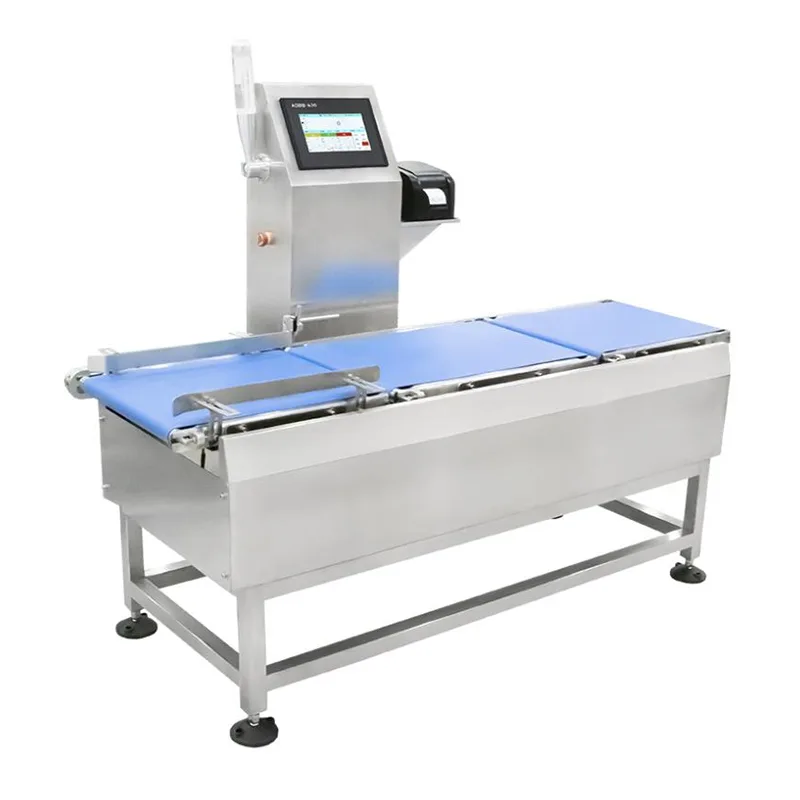
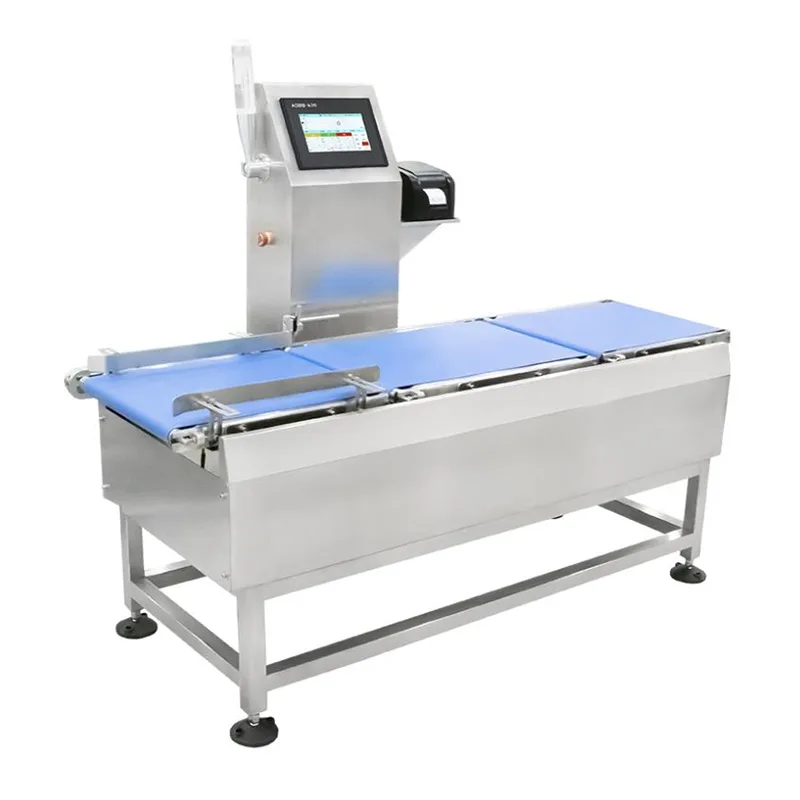
Intelligent High-speed Checkweigher
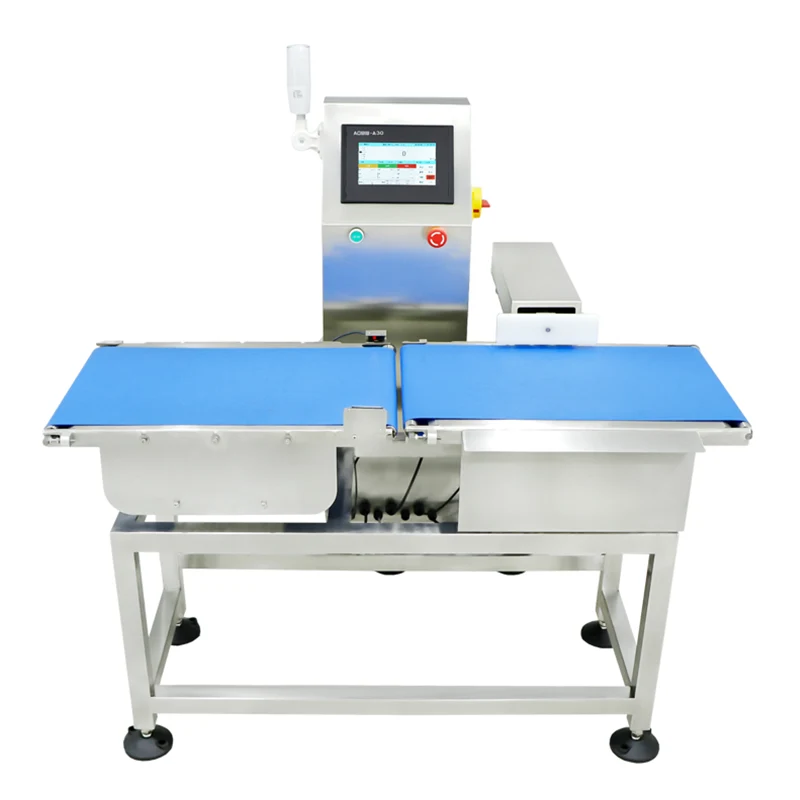
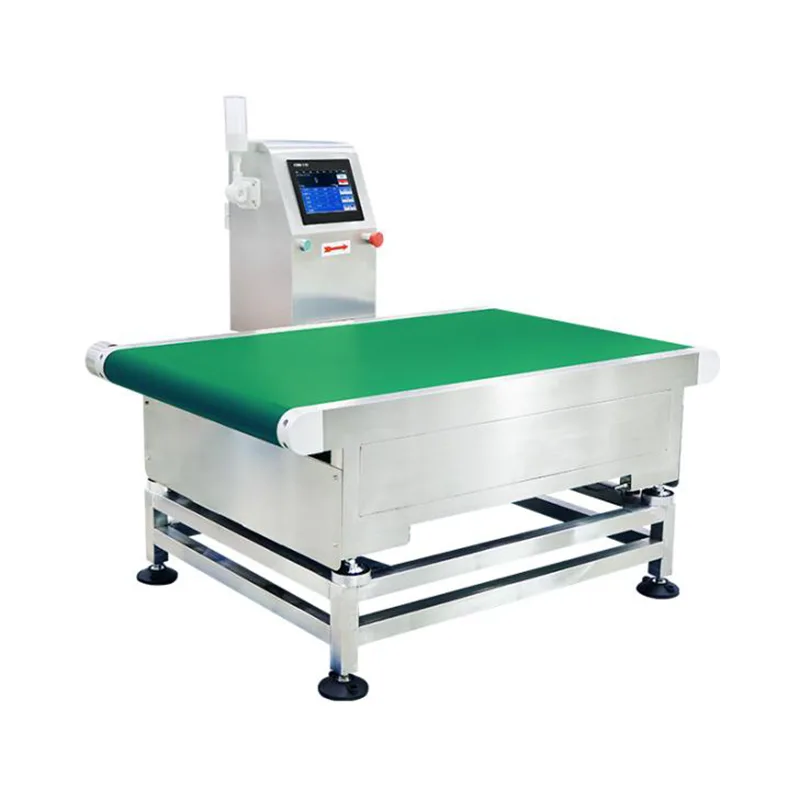
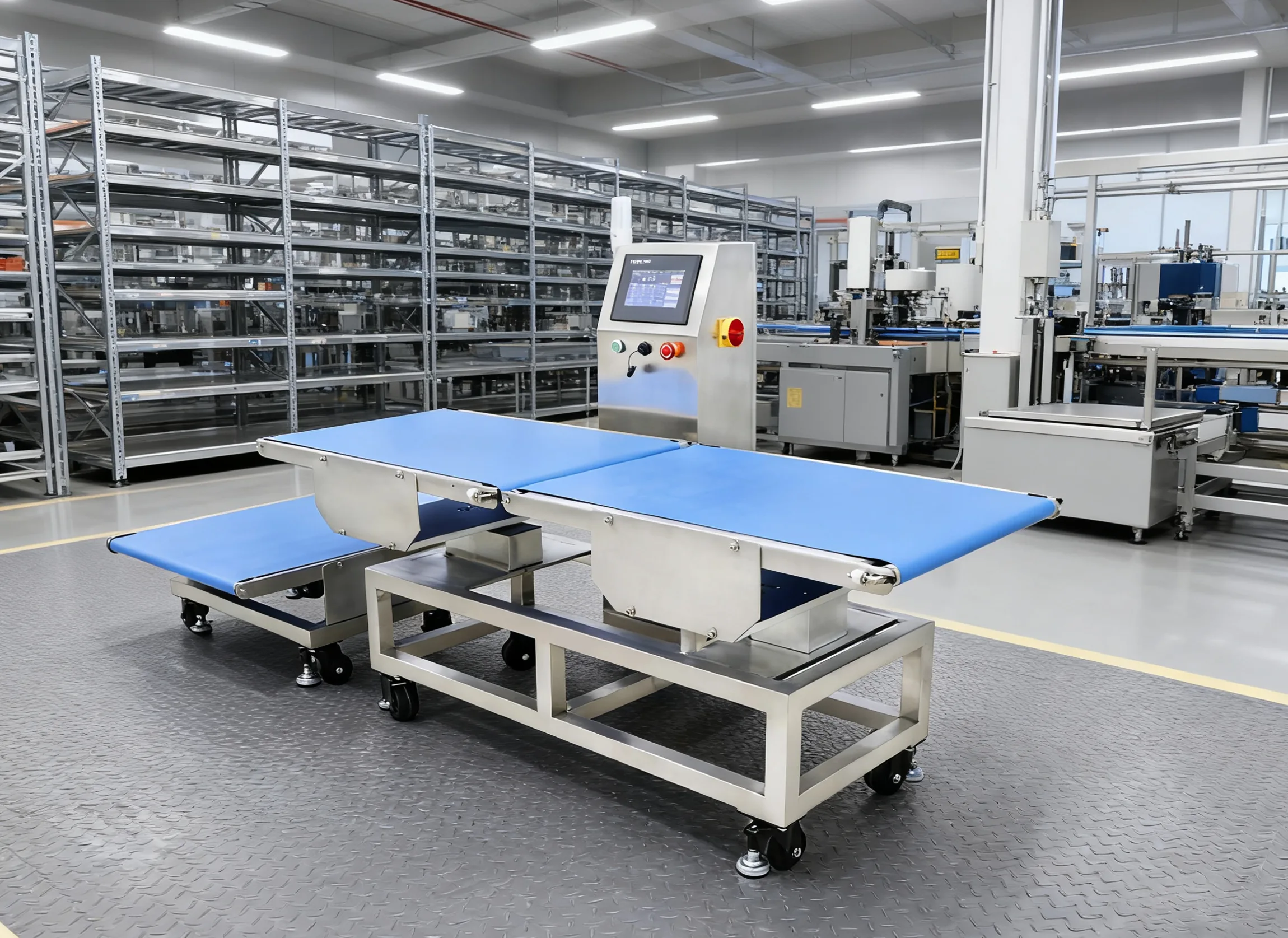
J-sky stands as an advanced manufacturer specializing in high-performance industrial weighing equipment for production lines. It delivers the Intelligent High-Speed Checkweigher, a high-quality online dynamic weighing system for automatic weight inspection and sorting. The device enables fast, accurate detection, integrates seamlessly with existing production setups, and suits food, pharmaceutical and daily chemical industries, ensuring stable operation and efficient factory quality control.
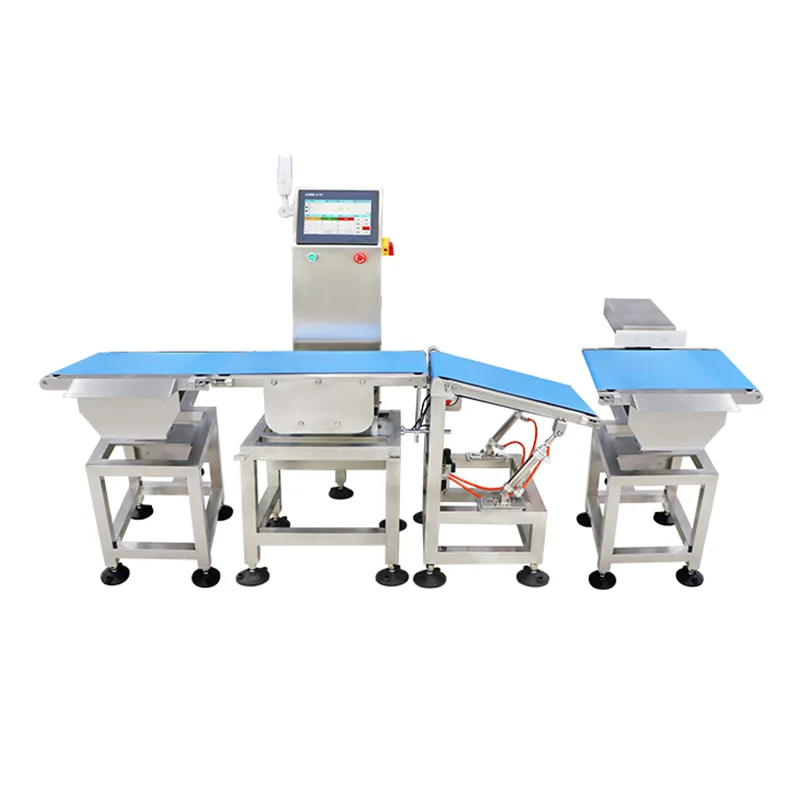
The Intelligent High-Speed Checkweigher is a compact inline weighing system developed by Jiangsu Jutian Weighing Equipment Co., Ltd. for dynamic weight inspection of small, lightweight packaged products. It is designed to operate at high throughput on production lines where individual product weights range from a few grams to several kilograms, and where out-of-tolerance items must be identified and removed without interrupting the line cycle.
The equipment captures weight readings during conveyor transit, processes each measurement through a digital filtering chain, and triggers a pneumatic or mechanical reject mechanism for non-conforming items. All weighing events are timestamped and logged for traceability.
Technical Specifications
|
Parameter |
Specification |
|
Weighing Range |
5 g – 3,000 g |
|
Weighing Accuracy |
±0.1 g (for products ≤200 g); varies with weight, size, and speed |
|
Maximum Throughput |
Up to 120 pcs/min (product-dependent) |
|
Conveyor Speed |
0.5 – 2.0 m/s, adjustable |
|
Reject Mechanism |
Pneumatic pusher (standard); air blast or diverter optional |
|
Display & Control |
Touchscreen interface with real-time weight and statistics display |
|
Power Supply |
AC 220V ±10%, 50 Hz |
|
Operating Environment |
0 – 40 ℃, ≤85% RH (non-condensing) |
Performance notes: Accuracy and throughput are influenced by product dimensions, packaging material, and line stability. Specifications above are based on controlled factory testing with representative products. On-site commissioning validates actual performance under production conditions.
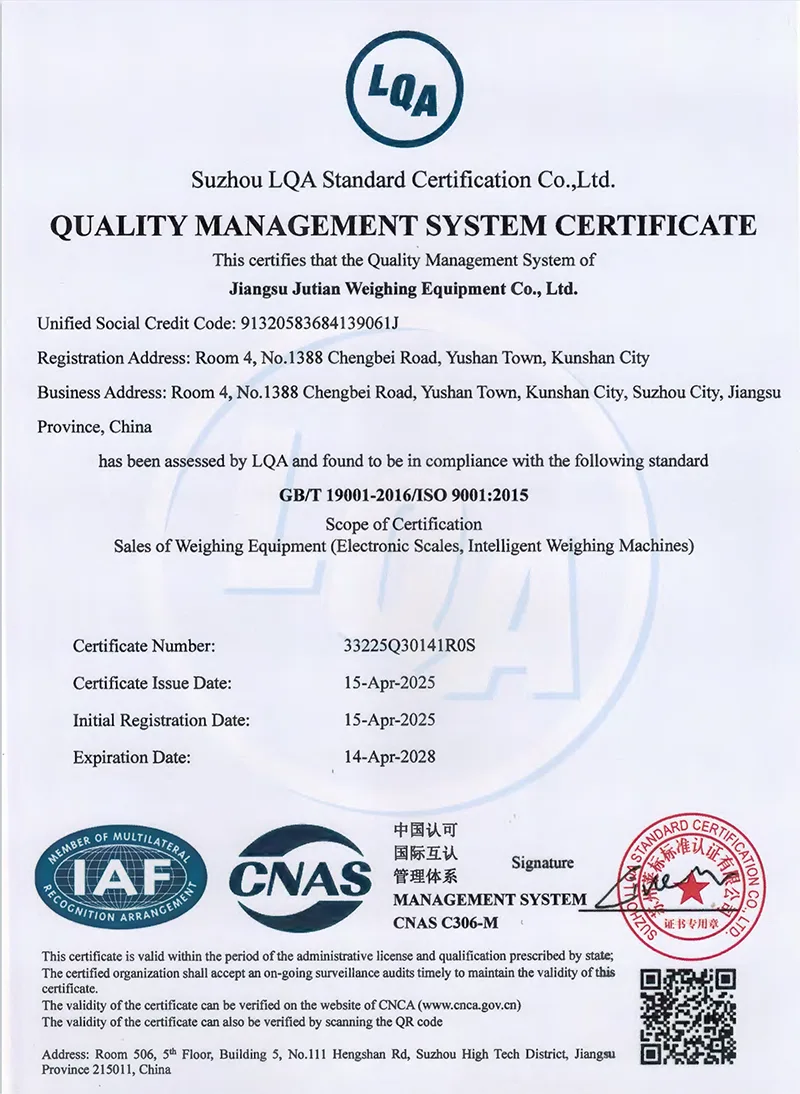
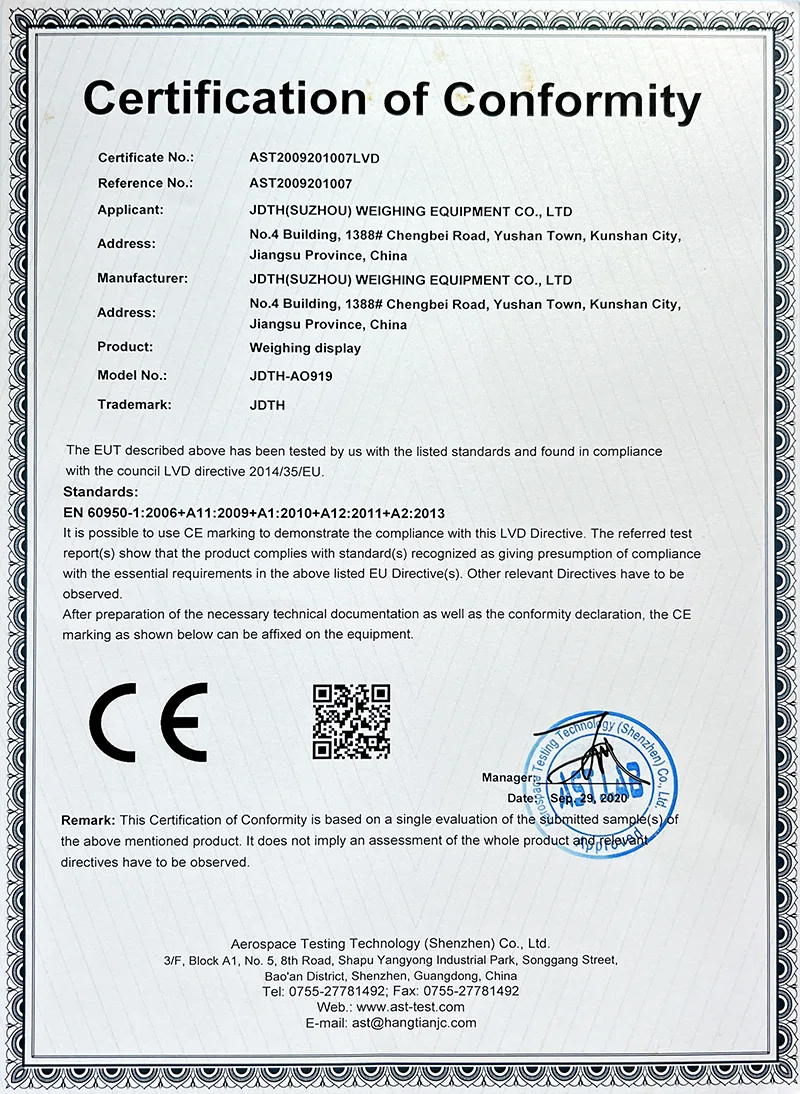
Jiangsu Jutian Weighing Equipment Co., Ltd. is ISO9001 certified. The company's 919 R&D Center has developed 68 national patents and 20 software copyrights related to weighing instrumentation, dynamic algorithms, and automated checkweighing systems. Products are CE certified and produced in two manufacturing facilities.
System Architecture and Key Components
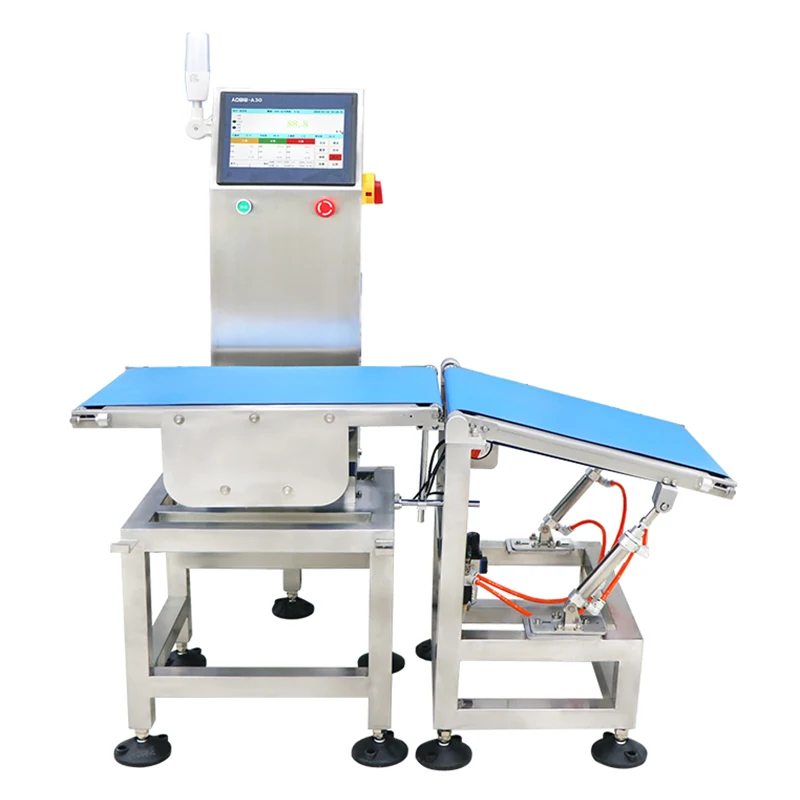
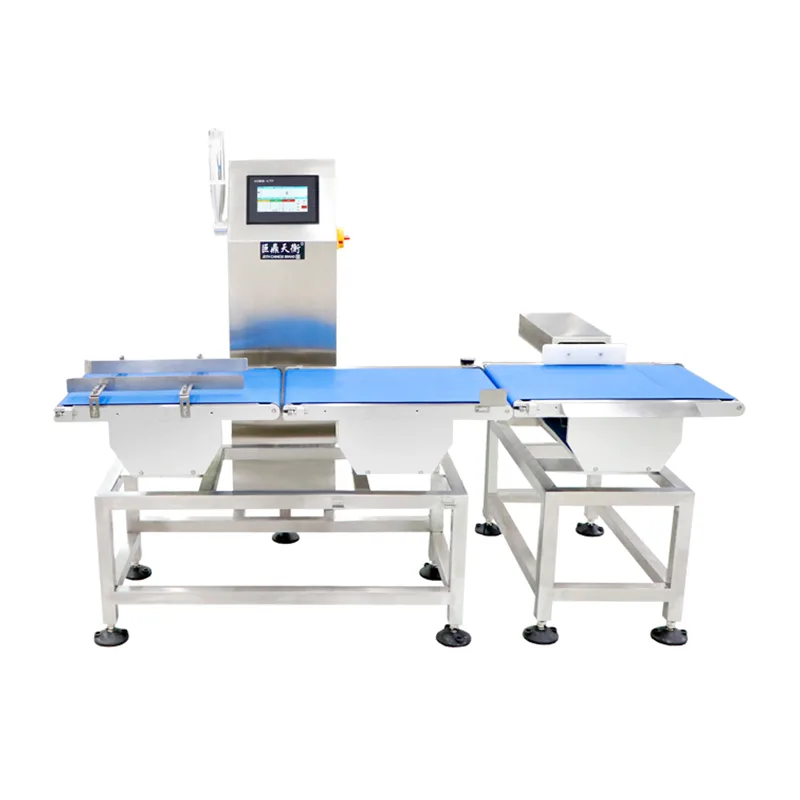
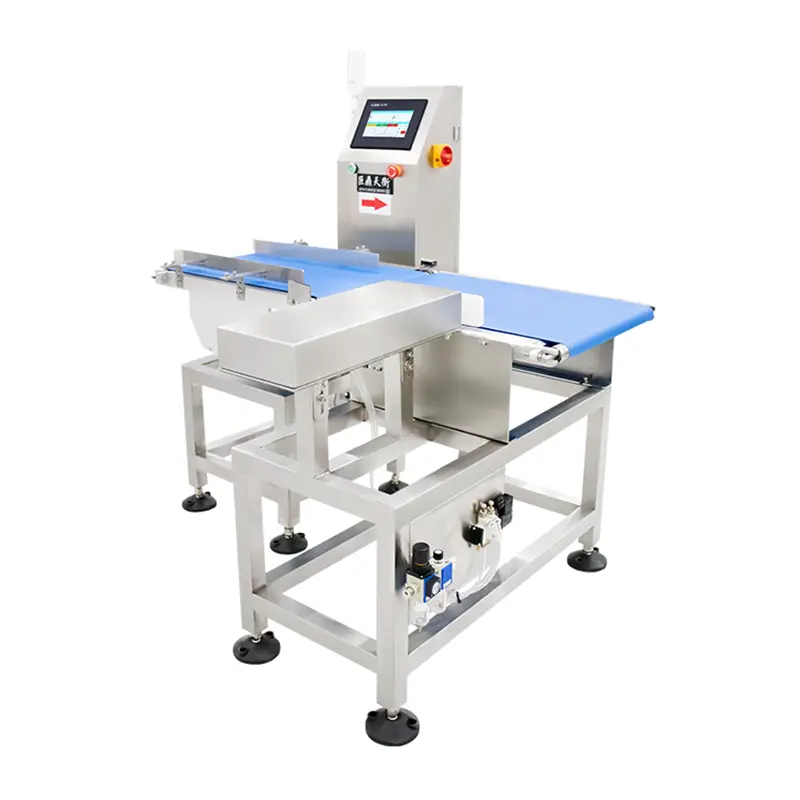
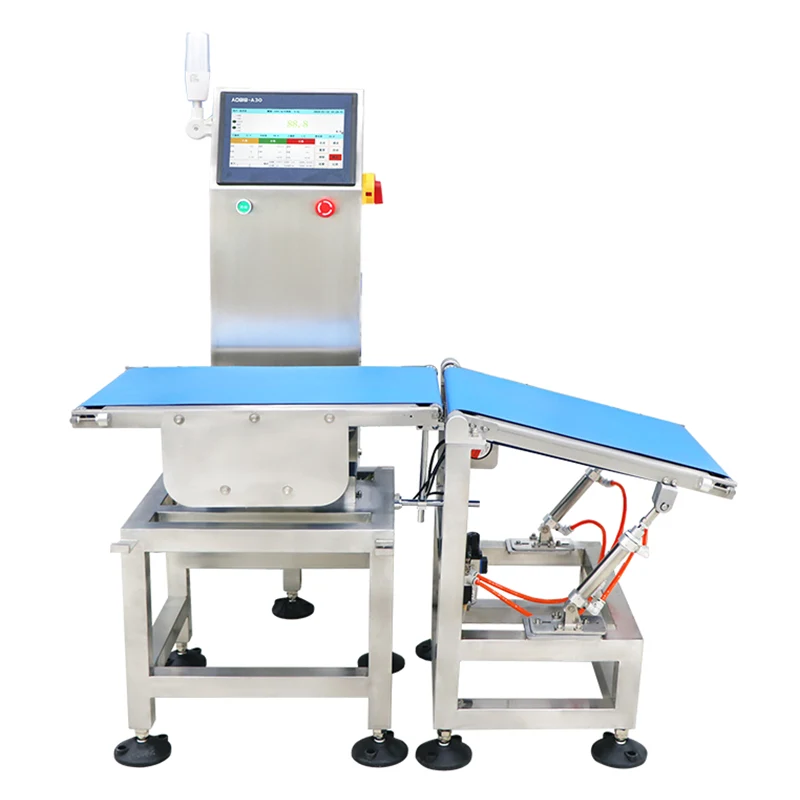
The checkweigher comprises three integrated sections: infeed conveyor, weighing zone, and outfeed with reject station. The infeed conveyor spaces and accelerates products to a stable velocity before they enter the weighing zone. The weighing conveyor is mounted on a strain gauge load cell assembly mechanically isolated from the drive sections. A photoelectric sensor detects product entry and triggers the weight capture sequence. After weighing, products pass to the outfeed where a pneumatic pusher diverts non-conforming items into a reject bin or separate conveyor. The pusher actuation is timed using the product's tracked position to ensure precise ejection.
Load cells are selected for the target weight range and resolution requirements. The touchscreen controller stores product-specific parameters—target weight, upper/lower limits, conveyor speed, and reject delay—and displays real-time production statistics including pass rate, reject count, and weight distribution histogram.
Real-Time Data Processing and Communication
Weight signals are sampled at high frequency and processed by a digital filtering algorithm that compensates for mechanical vibration and belt noise. The processed weight value is compared against stored tolerance limits. The system decision (pass/fail) and measured weight are transmitted to the outfeed controller for sorting execution.
All weight records are timestamped and can be exported via USB in CSV format. Communication interfaces (Ethernet, RS232, RS485) support data integration with MES, SCADA, or ERP platforms. The system can be configured to output data continuously, on demand, or after each inspection cycle based on the host system requirements.
Calibration and Routine Maintenance
Calibration is performed through the touchscreen interface using certified test weights. Both single-point and multi-point calibration routines are available. The guided procedure minimizes operator error and does not require disassembly.
Routine maintenance schedule:
Daily: Clean the weighing platform and conveyor belt surface; verify sensor cable connections.
Weekly: Inspect conveyor belt tension and alignment; check pneumatic system pressure (0.6–0.8 MPa) and actuator function.
Monthly: Perform accuracy verification with certified weights; inspect and lubricate conveyor bearings.
Troubleshooting common issues: Weight drift may indicate sensor overload or damaged load cell; reject failure often relates to air pressure drop or misaligned pusher. Spare parts for common wear items (belts, filters, sensors) are maintained in inventory for prompt replacement.
Typical Products and Inspection Scenarios
|
Product Category |
Typical Item |
Inspection Objective |
|
Food & Confectionery |
Sachets, pouches, small cartons, snack packs |
Verify fill weight; detect missing pieces or underweight packs |
|
Pharmaceutical & Nutraceutical |
Blister packs, small bottles, capsule containers |
Ensure dose consistency; detect missing capsules or empty blisters |
|
Cosmetics & Personal Care |
Sample sachets, travel-size tubes, small jars |
Confirm fill level; reject underfilled or overfilled units |
|
Hardware & Electronics |
Small part kits, fastener packs, component bags |
Count verification by weight; ensure complete kits |
FAQ (Frequently Asked Questions)
What is the minimum product weight the system can reliably inspect?
The specified weighing range starts at 5 g. Reliable dynamic inspection of very lightweight products depends on product shape, center of gravity, and conveyor speed. Products below 5 g can be evaluated on a case-by-case basis during engineering review.
How does the pneumatic reject mechanism ensure precise removal without damaging adjacent products?
The reject timing is based on conveyor speed and product position tracking from the photoelectric sensor. The controller calculates the exact moment the non-conforming product reaches the pusher and activates the pneumatic cylinder for a defined stroke. Product-to-product spacing must be sufficient for the pusher to retract before the next product arrives. Minimum spacing is determined during system configuration.
How is accuracy maintained at high throughput?
Digital filtering algorithms extract a stable weight value from the short measurement window available at high speed. Mechanical isolation of the weighing conveyor reduces vibration transmission. For very high-speed applications, the trade-off between throughput and accuracy is discussed during system specification, and achievable accuracy is confirmed through dynamic testing with customer product samples.
Can the checkweigher handle products that are not rigidly flat on the bottom?
Products with uneven or flexible bases may exhibit increased weight variation during dynamic weighing. Custom belt materials, guide rails, or product-specific carriers can be considered to stabilize items during transit. Product samples are typically tested during the engineering phase to determine if additional fixturing is required.
What is the procedure for switching between different products?
Product parameters—target weight, tolerance limits, conveyor speed, and reject settings—are stored as named presets in the touchscreen controller. The operator selects the desired product from the menu, and all parameters load automatically. No mechanical adjustments are required for products within the same size and weight class. A calibration check with a reference weight is recommended after changeover.
Hot Tags: Intelligent High-speed Checkweigher, Manufacturer, Supplier, Factory
Send Inquiry
Contact Info
-
Address
Building 4, 1388# Chengbei Road, Yushan Town, Kunshan City, Jiangsu Province, China
-
Tel
-
Email
If you have any enquiry about quotation or cooperation, please feel free to email us at JDTH919@j-sky.cn or use the following inquiry form. Our sales representative will contact you within 24 hours. Thank you for your interest in our products.