English
- English
- Español
- Português
- русский
- Français
- 日本語
- Deutsch
- tiếng Việt
- Italiano
- Nederlands
- ภาษาไทย
- Polski
- 한국어
- Svenska
- magyar
- Malay
- বাংলা ভাষার
- Dansk
- Suomi
- हिन्दी
- Pilipino
- Türkçe
- Gaeilge
- العربية
- Indonesia
- Norsk
- تمل
- český
- ελληνικά
- український
- Javanese
- فارسی
- தமிழ்
- తెలుగు
- नेपाली
- Burmese
- български
- ລາວ
- Latine
- Қазақша
- Euskal
- Azərbaycan
- Slovenský jazyk
- Македонски
- Lietuvos
- Eesti Keel
- Română
- Slovenski
- मराठी
- Srpski језик

How Do Roller Conveyor Scales Improve Efficiency in Industrial Weighing?
Article Summary: Roller conveyor scales are critical components in modern automated logistics and manufacturing systems. They enable dynamic weighing of goods during transportation, eliminating manual intervention and improving throughput. This article provides a comprehensive explanation of how roller conveyor scales work, their advantages, technical parameters, application scenarios, and how to choose the right system to solve common operational challenges.
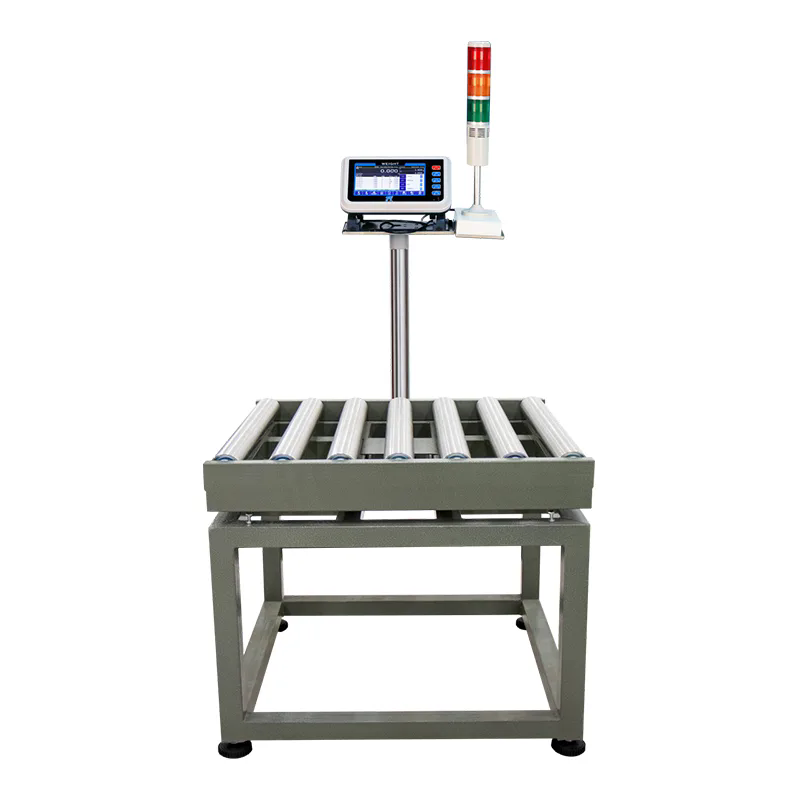
Table of Contents
- 1. Introduction to Roller Conveyor Scales
- 2. How Roller Conveyor Scales Work
- 3. Key Benefits for Industrial Operations
- 4. Technical Parameters and Specifications
- 5. Common Applications
- 6. How to Choose the Right System
- 7. Common Challenges and Solutions
- 8. Frequently Asked Questions
- 9. Conclusion
1. Introduction to Roller Conveyor Scales
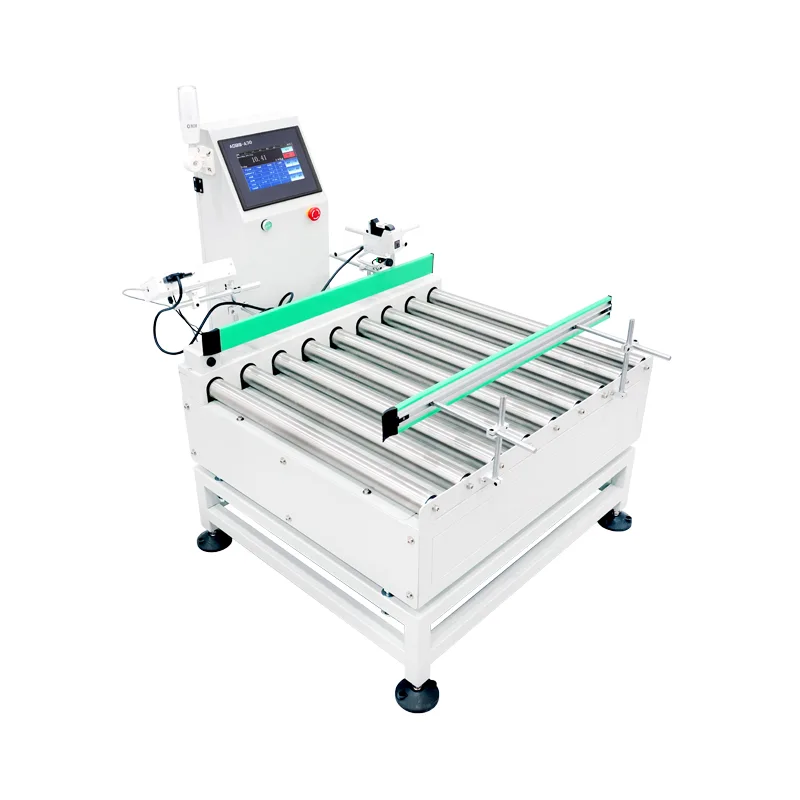
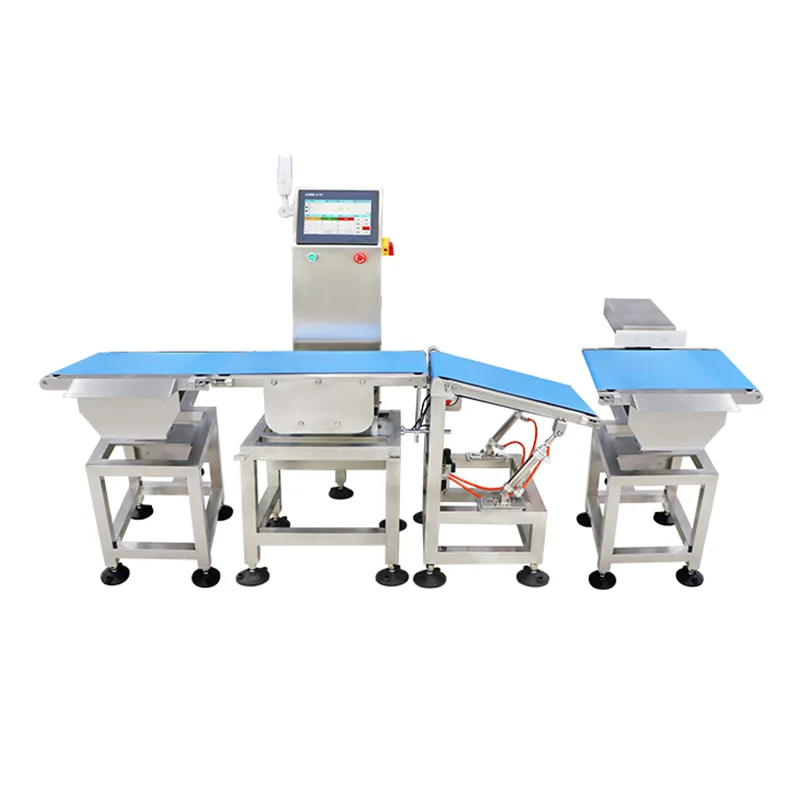
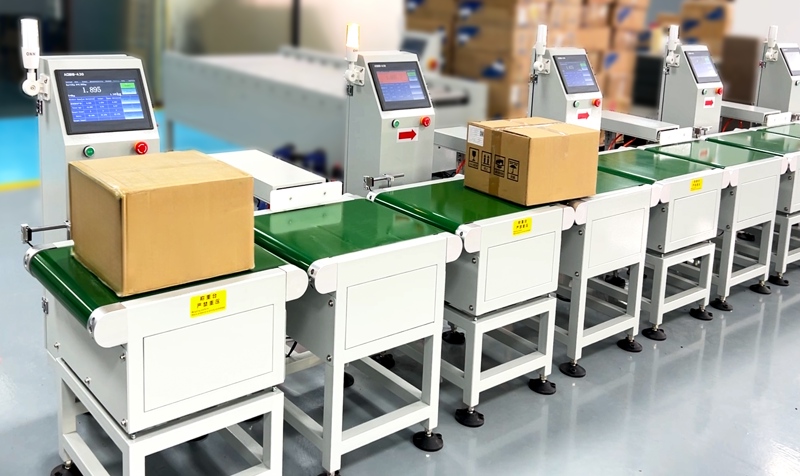
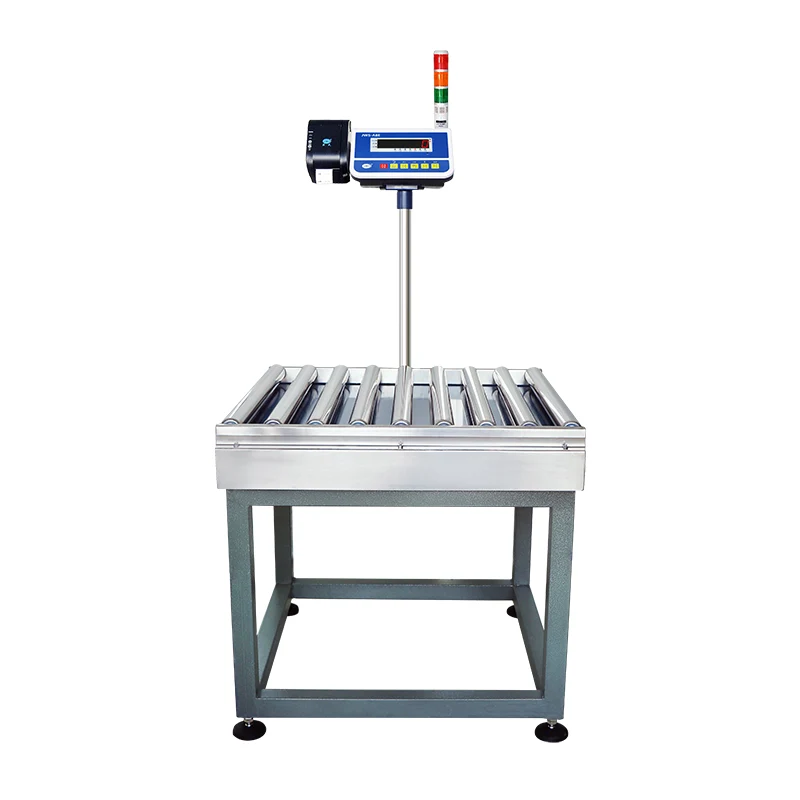
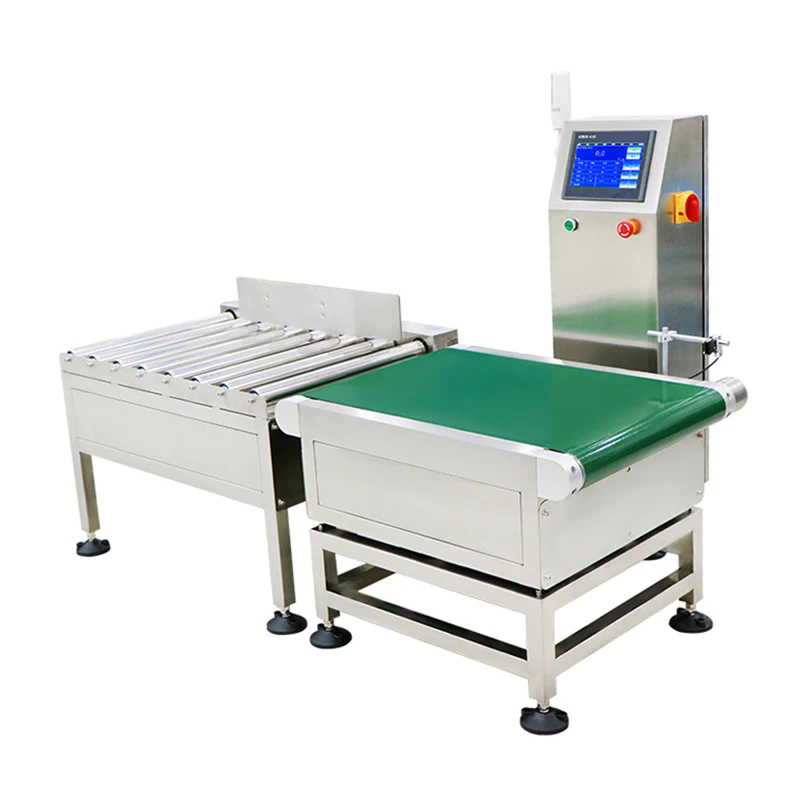
In fast-paced industrial environments, accurate and efficient weighing is essential for maintaining productivity, reducing costs, and ensuring compliance. Roller conveyor scales are integrated weighing systems installed directly into conveyor lines, allowing goods to be weighed in motion.
Unlike static scales, these systems eliminate the need to stop products for measurement. This significantly reduces bottlenecks and enhances workflow efficiency. Companies like J-Sky are actively advancing this technology by offering reliable and customizable solutions tailored to modern logistics needs.
2. How Roller Conveyor Scales Work
Roller conveyor scales operate by combining mechanical conveyor components with precision load cells and digital control systems. The process typically involves the following steps:
- Products move along a roller conveyor line.
- When entering the weighing section, load cells beneath the rollers detect the weight.
- Sensors track the position and speed of the item.
- The system calculates the weight dynamically without stopping movement.
- Data is transmitted to a control unit or warehouse management system.
The integration of motion detection and weight measurement ensures accurate readings even at high speeds. Advanced systems also include filtering algorithms to eliminate vibration interference.
3. Key Benefits for Industrial Operations
Businesses often face challenges such as manual errors, slow processing, and inconsistent measurements. Roller conveyor scales address these issues effectively.
- Increased Throughput: Continuous weighing eliminates downtime.
- Improved Accuracy: High-precision sensors ensure consistent measurements.
- Labor Cost Reduction: Automation minimizes manual handling.
- Seamless Integration: Compatible with existing conveyor systems.
- Real-Time Data: Enables better inventory and logistics management.
These advantages make roller conveyor scales essential for industries aiming to optimize performance and reduce operational inefficiencies.
4. Technical Parameters and Specifications
Understanding technical specifications is crucial when evaluating different systems. Below is a typical parameter overview:
| Parameter | Description |
| Weighing Capacity | 10 kg to 2000 kg depending on model |
| Accuracy | ±0.1% to ±0.5% |
| Conveyor Speed | Up to 120 m/min |
| Roller Material | Steel, stainless steel, or coated rollers |
| Load Cell Type | Strain gauge load cells |
| Power Supply | 110V / 220V AC |
| Communication | RS232, RS485, Ethernet |
These parameters may vary depending on specific application requirements and customization needs.
5. Common Applications
Roller conveyor scales are widely used across multiple industries where efficiency and accuracy are critical:
- Logistics and Warehousing: Parcel weighing and sorting systems.
- Manufacturing: Inline quality control and production monitoring.
- E-commerce Fulfillment: Automated order processing.
- Food and Beverage: Packaging and compliance checks.
- Pharmaceuticals: Precise dosing and verification.
These applications demonstrate the versatility of roller conveyor scales in handling different product types and operational demands.
6. How to Choose the Right System
Selecting the appropriate roller conveyor scale requires a systematic evaluation of operational needs. Consider the following factors:
- Load Range: Ensure compatibility with product weight.
- Speed Requirements: Match conveyor speed with weighing capability.
- Accuracy Level: Determine acceptable tolerance levels.
- Environmental Conditions: Consider dust, moisture, or temperature factors.
- Integration Needs: Ensure compatibility with existing systems.
Working with experienced manufacturers like J-Sky can help tailor solutions that align with specific operational goals and constraints.
7. Common Challenges and Solutions
Despite their advantages, users may encounter certain challenges during implementation. Understanding these issues can help in selecting the right solution.
- Vibration Interference: Use damping systems and advanced algorithms.
- Irregular Product Shapes: Implement guide rails for stability.
- High-Speed Errors: Choose high-frequency load cells.
- Maintenance Issues: Opt for modular designs for easy servicing.
Addressing these factors ensures long-term reliability and consistent performance.
8. Frequently Asked Questions
Q1: Can roller conveyor scales weigh items of different sizes?
Yes, most systems are designed to handle a wide range of product sizes, provided they meet the minimum and maximum specifications.
Q2: How accurate are dynamic weighing systems?
Modern systems typically achieve accuracy levels between ±0.1% and ±0.5%, depending on speed and product characteristics.
Q3: Are roller conveyor scales easy to integrate?
Yes, they are designed for seamless integration into existing conveyor systems with minimal modifications.
Q4: What maintenance is required?
Regular inspection of load cells, rollers, and calibration checks is recommended to maintain optimal performance.
Q5: Can these systems connect to software platforms?
Yes, most systems support communication protocols for integration with ERP and warehouse management systems.
9. Conclusion
Roller conveyor scales represent a significant advancement in industrial automation, offering precise, efficient, and continuous weighing solutions. By integrating these systems into production or logistics lines, businesses can improve throughput, reduce labor costs, and enhance data accuracy.
J-Sky provides advanced roller conveyor scale solutions designed to meet diverse industrial requirements with reliability and precision. For businesses seeking to upgrade their weighing systems and streamline operations, investing in this technology is a strategic decision.
If you are looking for a customized solution that fits your operational needs, contact us today to explore how roller conveyor scales can transform your workflow and improve overall efficiency.
Related News
- Technical Features of Weighing Machines.
- Electronic Table Scale Overview.
- The core reason for the price difference in drum checkweighers.
- What is High Speed Checkweigher: How It Works and Why It Matters in Modern Manufacturing
- How Electronic Table Scale Improves Accuracy and Efficiency in Modern Weighing Operations
- How Does an Electronic Weighbridge Improve Industrial Efficiency?
Leave me a message