English
- English
- Español
- Português
- русский
- Français
- 日本語
- Deutsch
- tiếng Việt
- Italiano
- Nederlands
- ภาษาไทย
- Polski
- 한국어
- Svenska
- magyar
- Malay
- বাংলা ভাষার
- Dansk
- Suomi
- हिन्दी
- Pilipino
- Türkçe
- Gaeilge
- العربية
- Indonesia
- Norsk
- تمل
- český
- ελληνικά
- український
- Javanese
- فارسی
- தமிழ்
- తెలుగు
- नेपाली
- Burmese
- български
- ລາວ
- Latine
- Қазақша
- Euskal
- Azərbaycan
- Slovenský jazyk
- Македонски
- Lietuvos
- Eesti Keel
- Română
- Slovenski
- मराठी
- Srpski језик
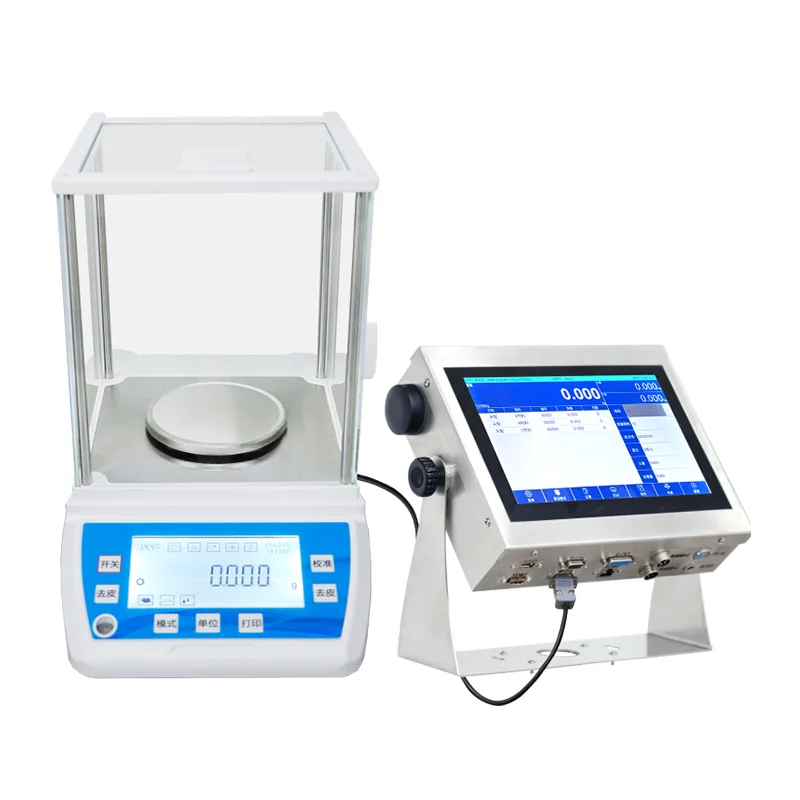
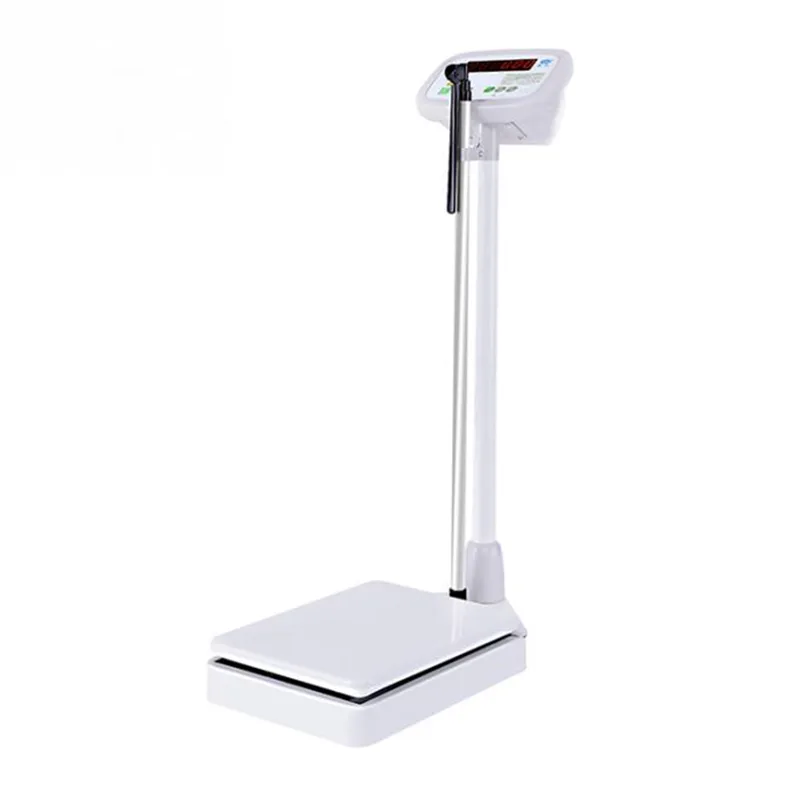
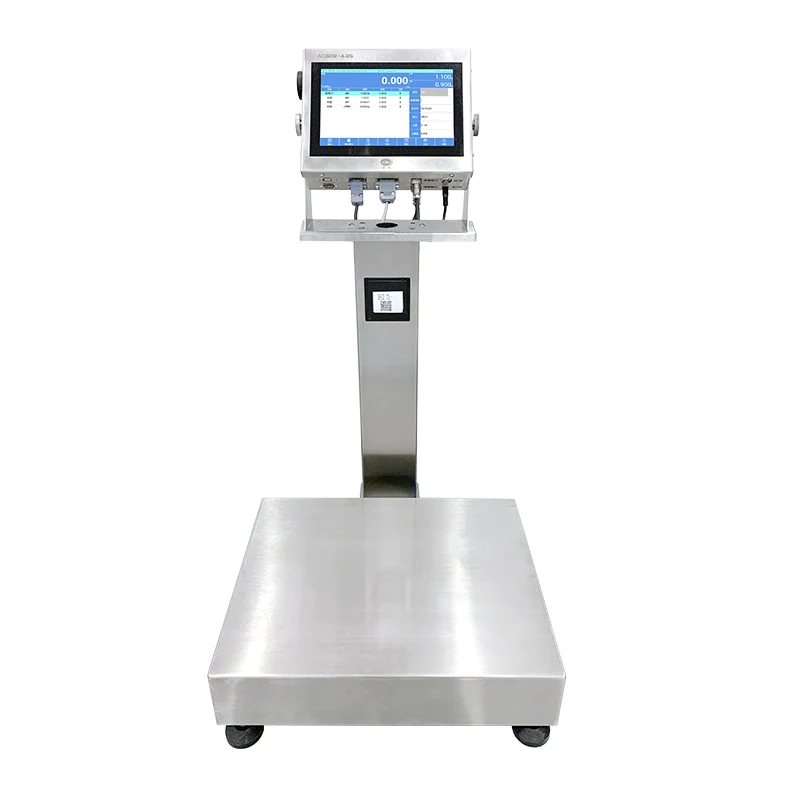
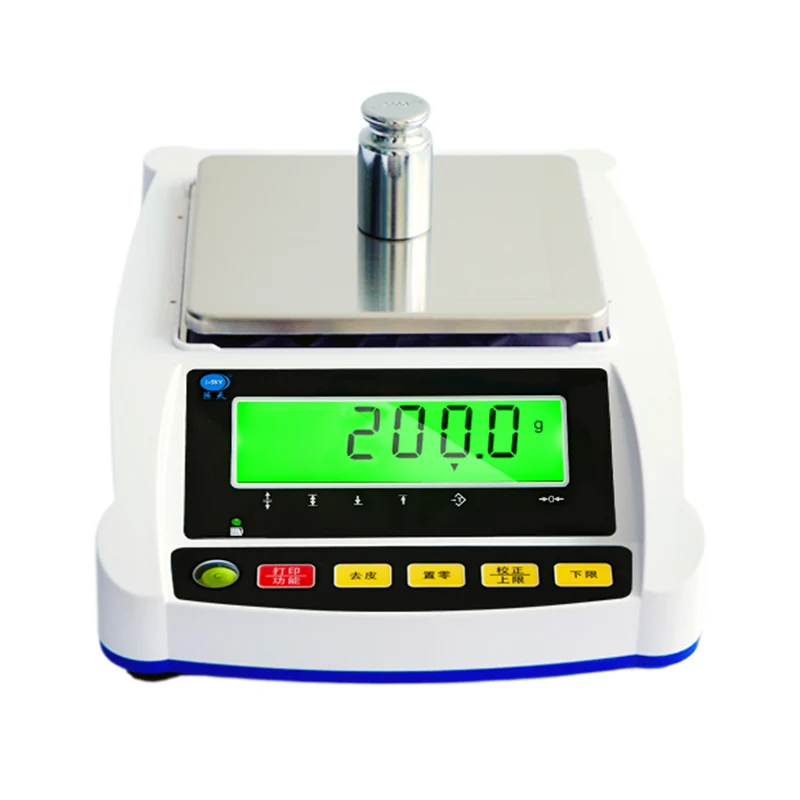
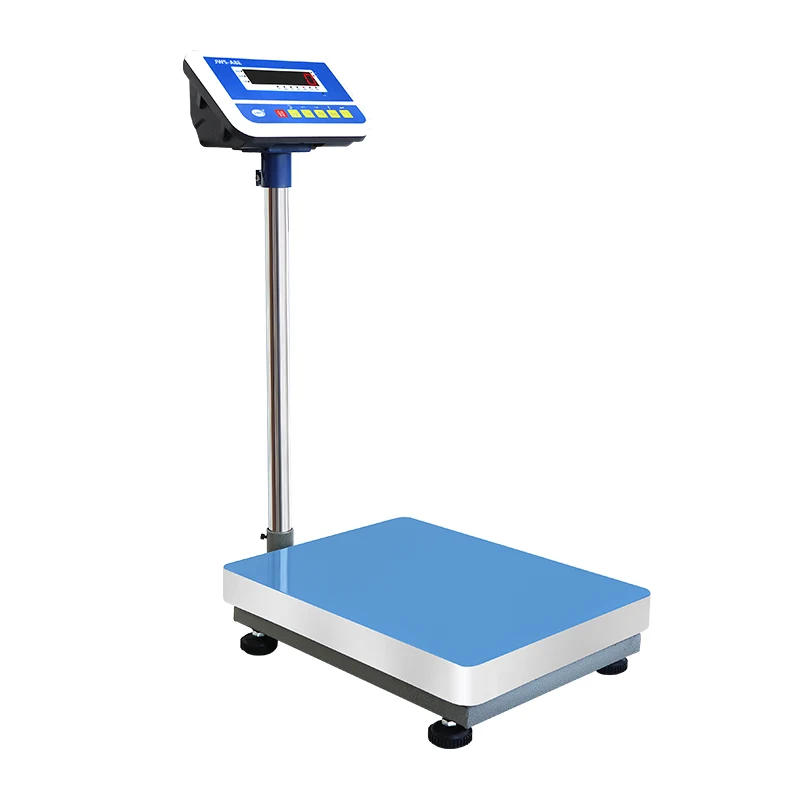
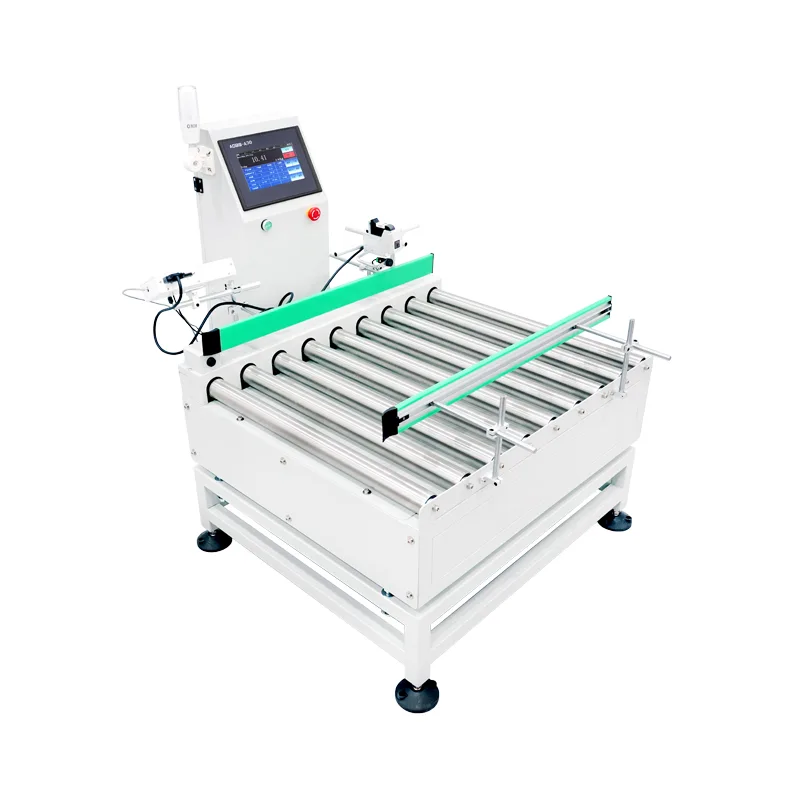
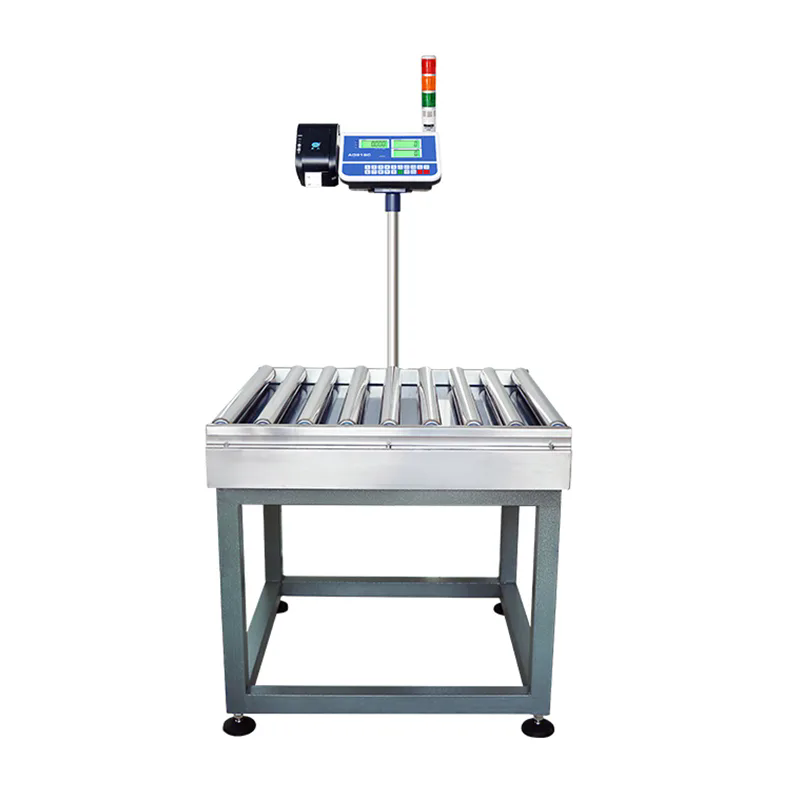
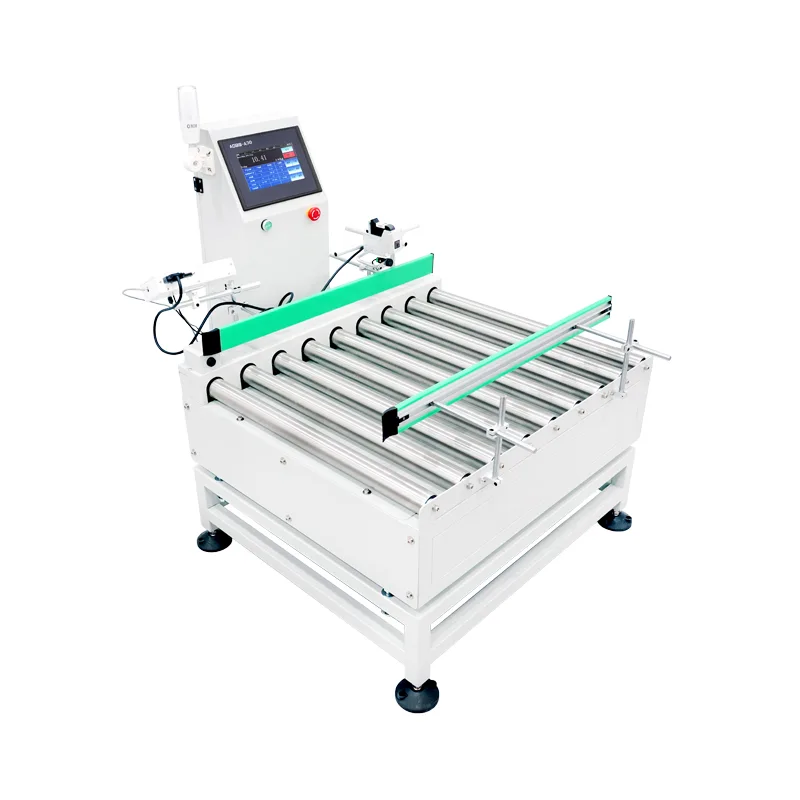
Powered Roller Coding Scale
J-SKY, as a reliable original manufacturer, has strong R&D capability and provides timely after-sales support, ensuring stable product quality. Its Powered Roller Coding Scale integrates conveying, weighing, coding and data traceability, suitable for wholesale procurement. The supplier offers advanced automated functions and customized services to meet different production needs, with high quality and cost-effectiveness for long-term bulk orders.
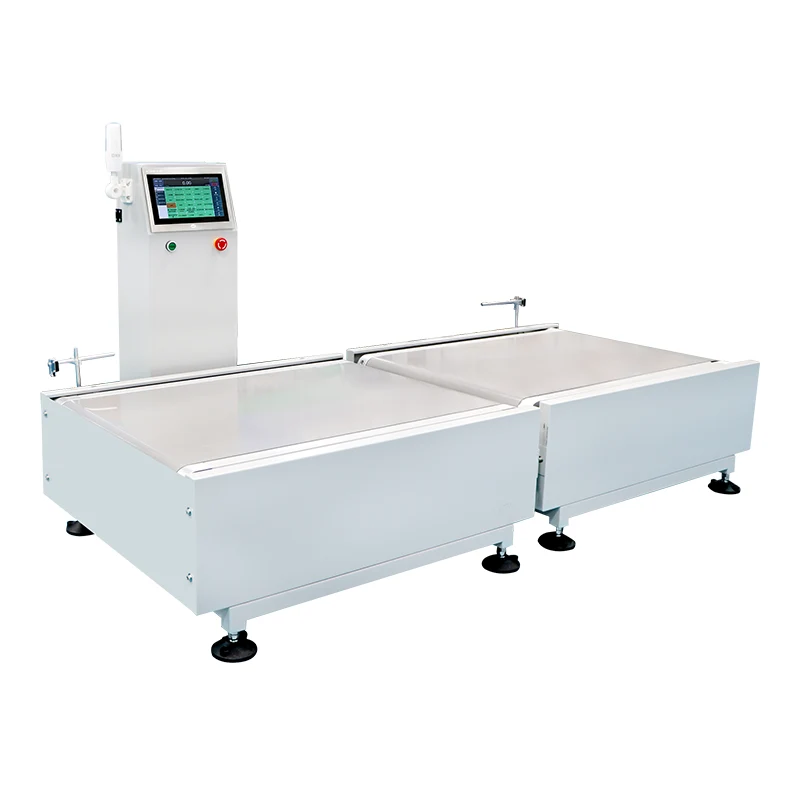
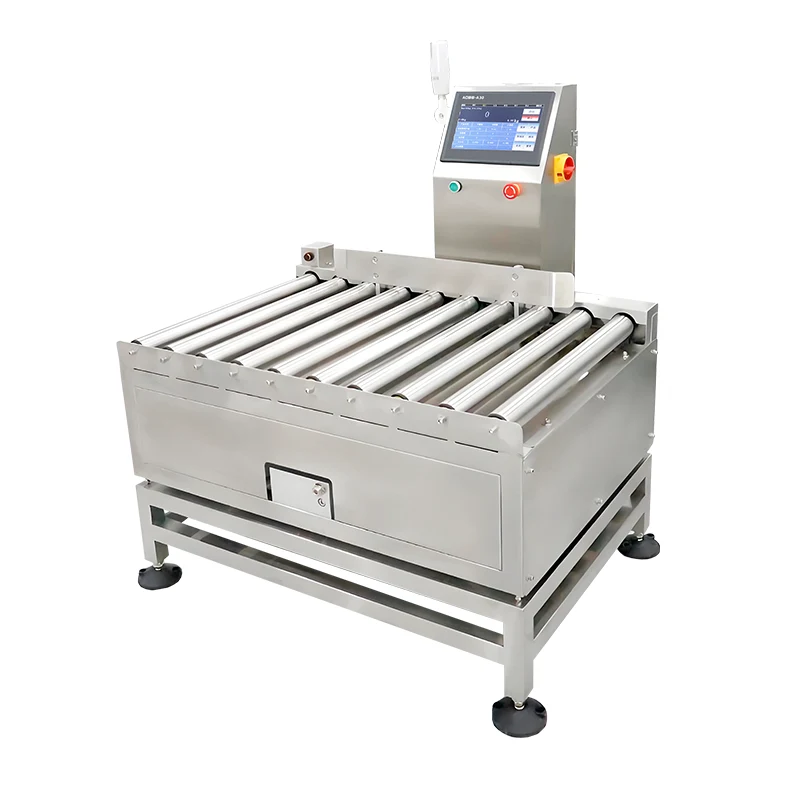
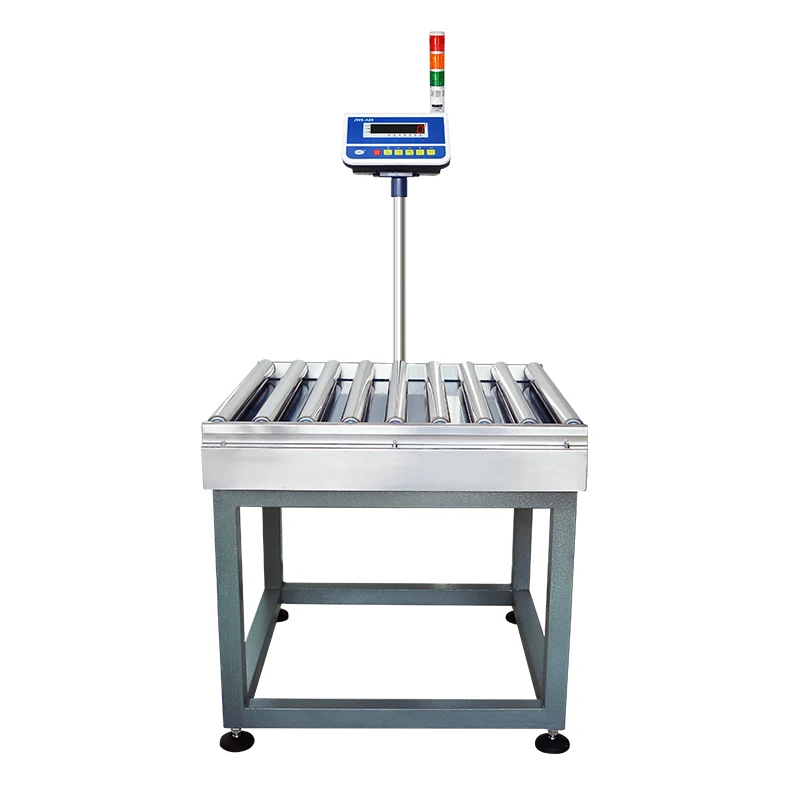
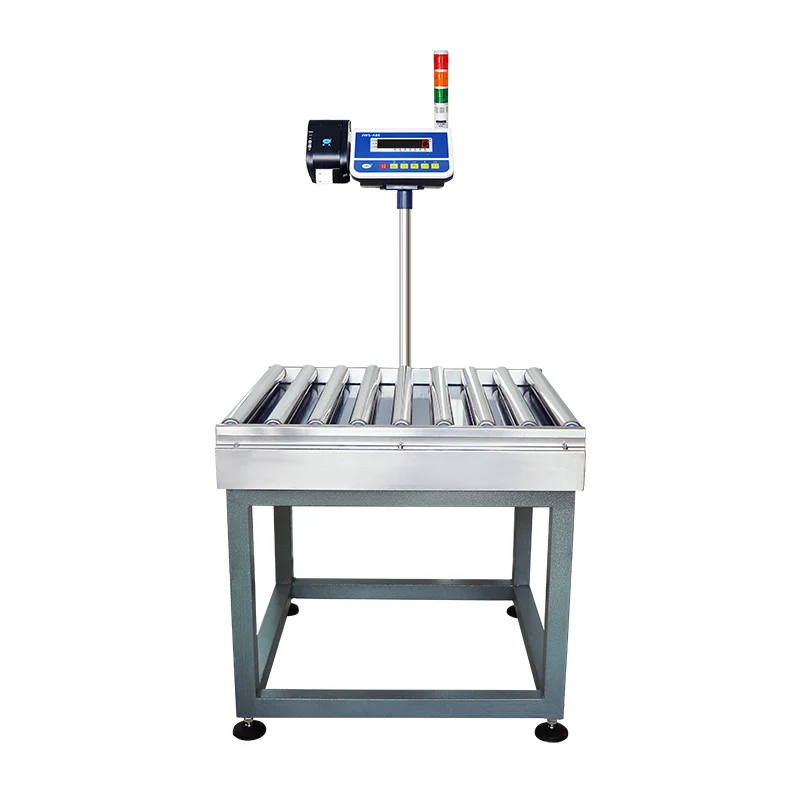
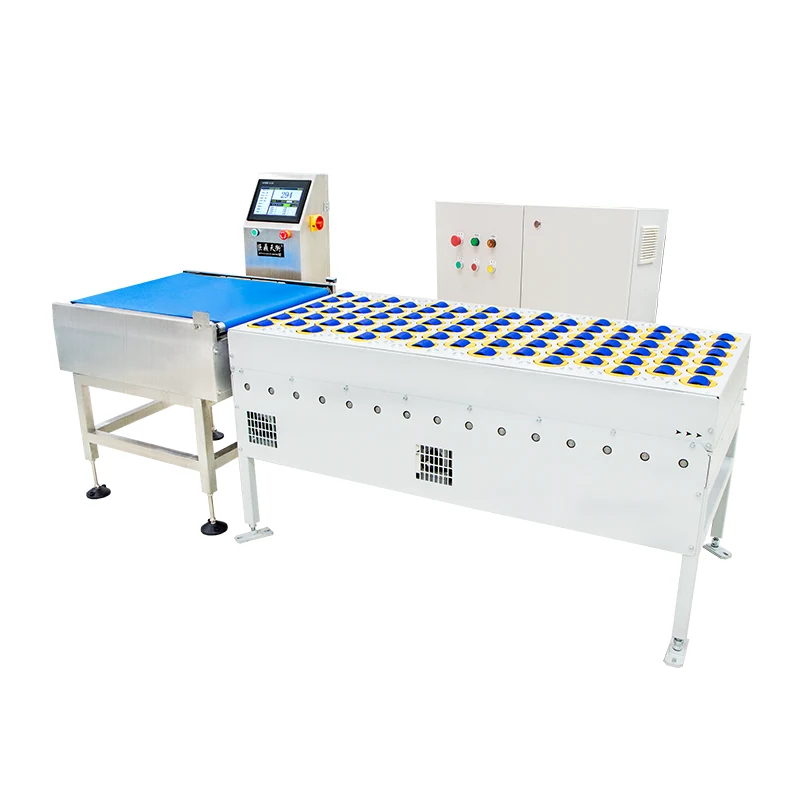
The Powered Roller Coding Scale (Model JDT-GT-A30) is a dynamic checkweighing and marking system produced by Jiangsu Jutian Weighing Equipment Co., Ltd. It combines powered roller conveying, in-motion weighing, automatic coding, and real-time data recording within a single integrated unit. The equipment is designed for automated production lines where inline weight verification and product traceability are required as part of the quality control workflow.
Typical deployment occurs at end-of-line inspection points, where products exiting a filling or packaging station must be weighed, marked with batch or weight data, and logged into the factory's digital record system before palletizing or shipment. The powered roller system synchronizes with upstream conveyor speed, eliminating the need for manual product transfer between weighing and coding operations.
Core Technical Parameters
|
Parameter |
Standard Specification |
Customization Notes |
|
Model |
JDT-GT-A30-30K/300K |
— |
|
Weighing Range |
30 kg – 300 kg |
Expanded range available upon engineering review |
|
Detection Accuracy |
±50 g – ±200 g |
Varies with product weight, dimensions, and conveyor speed |
|
Throughput |
5–10 pcs/min |
Adjustable based on line speed and product size |
|
Controller Display |
7-inch touch color screen |
10-inch available; non-standard UI customization supported |
|
Equipment Dimensions |
1000 × 800 × 800 mm |
Roller width, length, and frame height customizable |
|
Operation Mode |
Convey on pass / Stop on fail |
Alternative: Continue convey with alarm only |
|
Function Modules |
Weighing + Coding + Data export |
Printing, barcode scanning, vision inspection (optional) |
|
System Integration |
RS232 / RS485 / Ethernet |
Wi-Fi, Bluetooth; MES/ERP protocol adaptation |
|
Power Supply |
AC 220V, 50/60Hz |
Motor and controller voltage adapted per regional requirements |
Note on accuracy: Detection accuracy depends on the weight, dimensions, conveying stability, and environmental conditions of the measured product. Accuracy figures stated are achievable under controlled factory calibration conditions with representative product samples. Actual on-site performance is verified during commissioning.
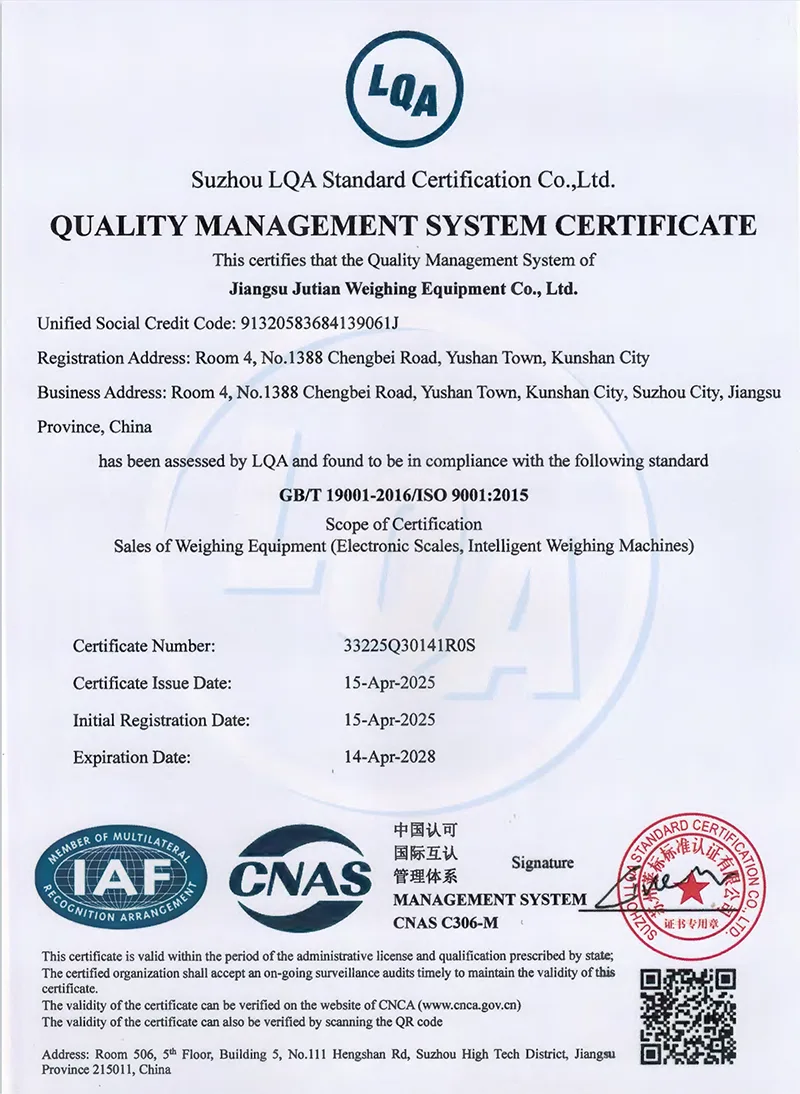
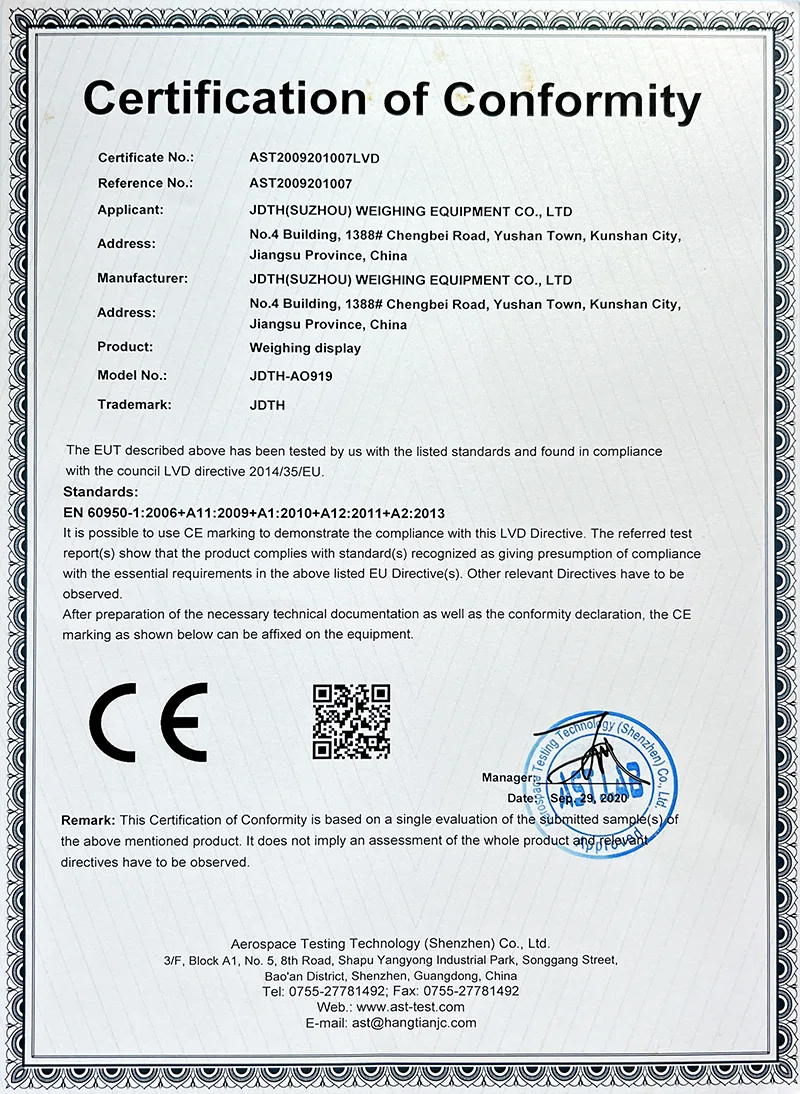
Jiangsu Jutian Weighing Equipment Co., Ltd. is ISO9001-certified. The Powered Roller Coding Scale is CE certified. The company holds 68 national patents and 20 software copyrights, with dedicated R&D at the 919 R&D Center and manufacturing across two production facilities in Kunshan and Zhejiang.
Development & Production Process
1. Requirement analysis & engineering review: For standard configurations, the technical parameters above apply directly. For non-standard customization, our engineering team evaluates product dimensions, required throughput, coding interface specifications, and existing line integration points before confirming the final equipment design.
2. Mechanical assembly: Roller frames are fabricated from carbon steel with surface treatment, or stainless steel 304 for corrosion-prone environments. Drive motors are sized according to the specified load capacity and conveyor speed. Load cells are installed beneath the weighing section with mechanical isolation from the conveyor drive to prevent vibration interference.
3. Electrical integration & software configuration: The 919-series touch screen controller is programmed with the required weighing parameters, communication protocols, and coding interface drivers. Printer or inkjet coder connections are configured and tested for data synchronization.
4. Calibration & dynamic testing: Each unit undergoes static calibration with certified weights, followed by dynamic testing using representative product samples at the specified conveyor speed. Out-of-tolerance alarm logic and conveyor stop/start sequencing are verified across multiple cycles.
5. Aging & stability verification: The complete system runs continuously for a minimum of 48 hours to confirm electronic stability, mechanical alignment, and software reliability under sustained operation.
6. Pre-shipment inspection: A documented checklist covering weighing accuracy, coding functionality, safety interlocks, and electrical compliance is completed before packaging and shipment.
Operational Workflow
Products enter the weighing section via powered rollers synchronized with the upstream conveyor. The load cell captures weight data in motion; the controller compares the measured value against pre-set upper and lower limits. Products within the acceptable range proceed to the coding station, where batch code, weight value, or timestamp is applied. Products outside tolerance trigger a conveyor stop or alarm signal per the configured operation mode. All weighing and coding records are stored locally and can be transmitted to a host system via the configured communication interface.
Data export supports CSV format for spreadsheet analysis and direct database insertion via API or protocol adaptation. The controller can store multiple product presets, enabling quick changeover between different SKUs without recalibration.
When to Select a Powered Roller Coding Scale
Automated lines with continuous flow: Unlike manual or non-powered checkweighing stations, powered rollers maintain product momentum and line rhythm, making this equipment suitable for production lines where throughput consistency is required and manual weighing would create a bottleneck.
Inline traceability requirements: In industries such as food, pharmaceuticals, or automotive components, regulatory or customer requirements often mandate that each product or batch carries a verifiable weight record linked to production date, shift, or line number. This equipment integrates weighing and coding into a single traceable step.
Integration with factory digital systems: The communication interfaces support data exchange with MES and ERP platforms, allowing weight data to flow into quality dashboards, production reports, or batch release workflows without manual transcription.
Verified Application Scenarios
|
Industry |
Application Description |
|
Food & Beverage |
Inline weight verification of bottled drinks, bagged snacks, and boxed food products after filling; out-of-tolerance rejection and batch code printing |
|
Daily Chemicals |
Fill level verification for bottled detergent and cosmetic products; missing-component detection for cartoned finished goods |
|
Automotive Components |
Batch weight verification for fasteners, sensors, and small assemblies; traceability coding linked to production shift and line number |
|
Pharmaceutical |
Weight consistency check for medicine boxes and reagent bottles at packaging line exit; data logging for batch release records |
|
Electronics & Electrical |
Component count verification by weight; production line traceability for assembled sub-components |
FAQ (Frequently Asked Questions)
How is the coding function integrated with the weighing system?
The touch screen controller transmits the captured weight value, timestamp, and preset batch information to the connected coding device (inkjet printer, thermal transfer printer, or label applicator) via a configured communication interface. The coding trigger signal is synchronized with the conveyor position sensor to ensure accurate placement on the product.
Can the equipment handle products of varying sizes on the same line?
The roller width and conveyor speed are designed around the largest product in the specified range. For lines processing multiple product sizes, preset changeover settings can be stored in the controller, allowing operators to switch between product configurations without mechanical adjustment. Product-specific guide rails are available as optional accessories.
What determines the weighing accuracy of a powered roller system?
Accuracy is influenced by product weight, size, speed during weighing, vibration from adjacent equipment, and environmental conditions such as airflow. Accuracy specifications provided are based on controlled testing with representative products. On-site verification during commissioning establishes the actual performance under real production conditions.
What communication protocols are supported for MES/ERP integration?
Standard configurations include RS232, RS485, and Ethernet. Protocol adaptation for specific MES or ERP systems is handled during the engineering review phase. Common integration formats include Modbus TCP/RTU, TCP/IP socket communication, and database direct-write via the provided software interface.
How is after-sales support provided for customized equipment?
Technical documentation including wiring diagrams, parameter configuration guides, and communication protocol specifications is delivered with each unit. Remote diagnostic support is available for software-related issues. For mechanical or electrical components, spare parts are stocked for common configurations, and replacement procedures are documented in the maintenance manual.
Hot Tags: Powered Roller Coding Scale, Manufacturer, Supplier, Factory
Send Inquiry
Contact Info
-
Address
Building 4, 1388# Chengbei Road, Yushan Town, Kunshan City, Jiangsu Province, China
-
Tel
-
Email
If you have any enquiry about quotation or cooperation, please feel free to email us at JDTH919@j-sky.cn or use the following inquiry form. Our sales representative will contact you within 24 hours. Thank you for your interest in our products.