English
- English
- Español
- Português
- русский
- Français
- 日本語
- Deutsch
- tiếng Việt
- Italiano
- Nederlands
- ภาษาไทย
- Polski
- 한국어
- Svenska
- magyar
- Malay
- বাংলা ভাষার
- Dansk
- Suomi
- हिन्दी
- Pilipino
- Türkçe
- Gaeilge
- العربية
- Indonesia
- Norsk
- تمل
- český
- ελληνικά
- український
- Javanese
- فارسی
- தமிழ்
- తెలుగు
- नेपाली
- Burmese
- български
- ລາວ
- Latine
- Қазақша
- Euskal
- Azərbaycan
- Slovenský jazyk
- Македонски
- Lietuvos
- Eesti Keel
- Română
- Slovenski
- मराठी
- Srpski језик

How Does an Electronic Table Scale Improve Accuracy and Efficiency in Daily Operations?
Abstract: In today’s fast-paced business environment, precision and efficiency are more important than ever. Electronic table scales are essential tools for industries ranging from food processing to retail, providing accurate measurements, streamlining workflows, and reducing human error. This article explores the features, benefits, and practical applications of electronic table scales, helping businesses make informed purchasing decisions.
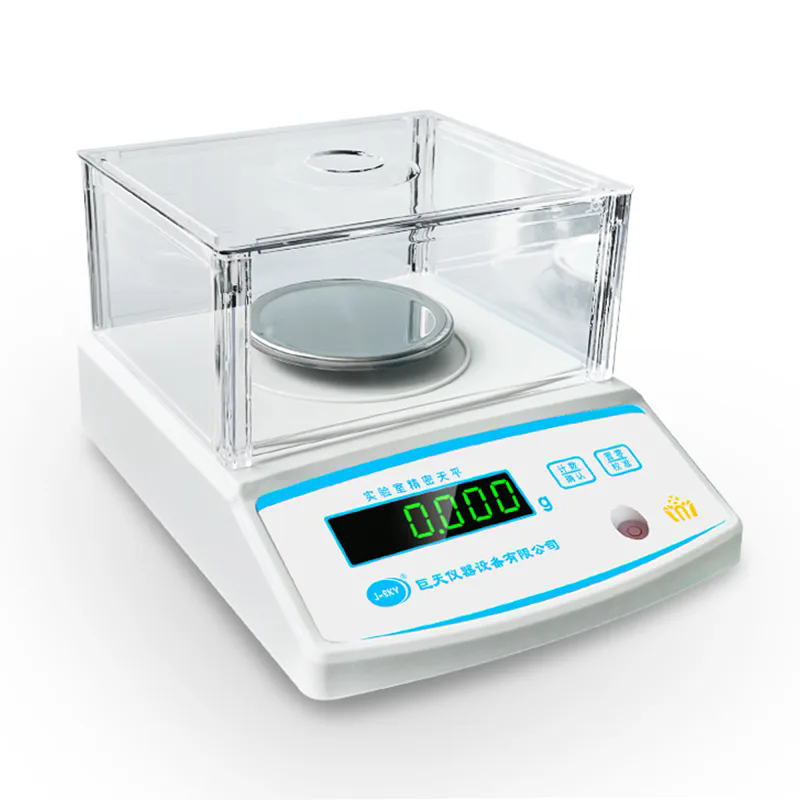
Table of Contents
- Introduction to Electronic Table Scales
- Key Benefits of Using Electronic Table Scales
- Types of Electronic Table Scales
- How to Choose the Right Electronic Table Scale
- Maintenance Tips for Longevity and Accuracy
- Frequently Asked Questions
- Conclusion
Introduction to Electronic Table Scales
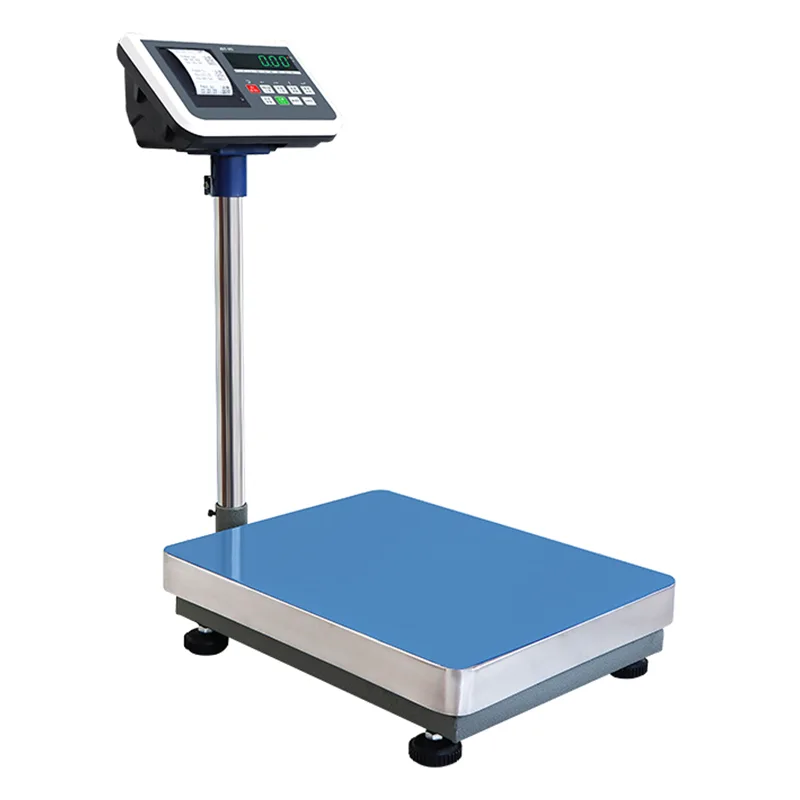
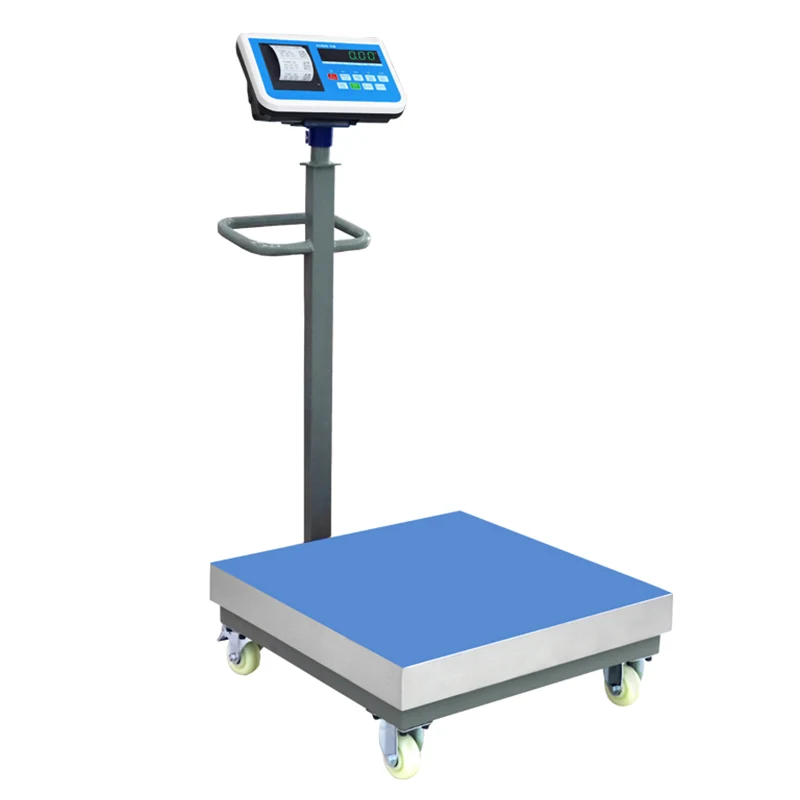
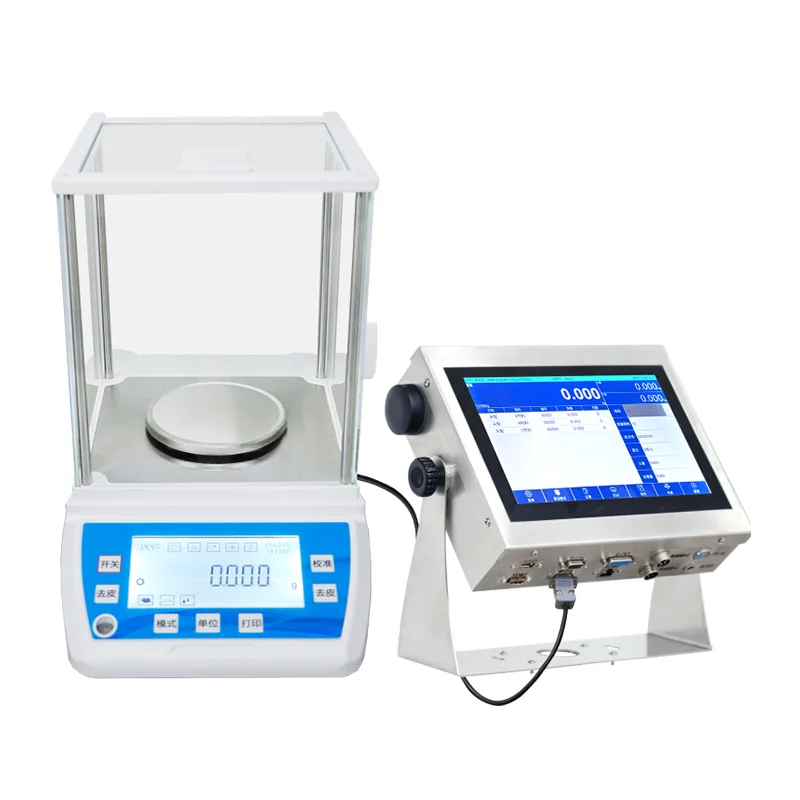
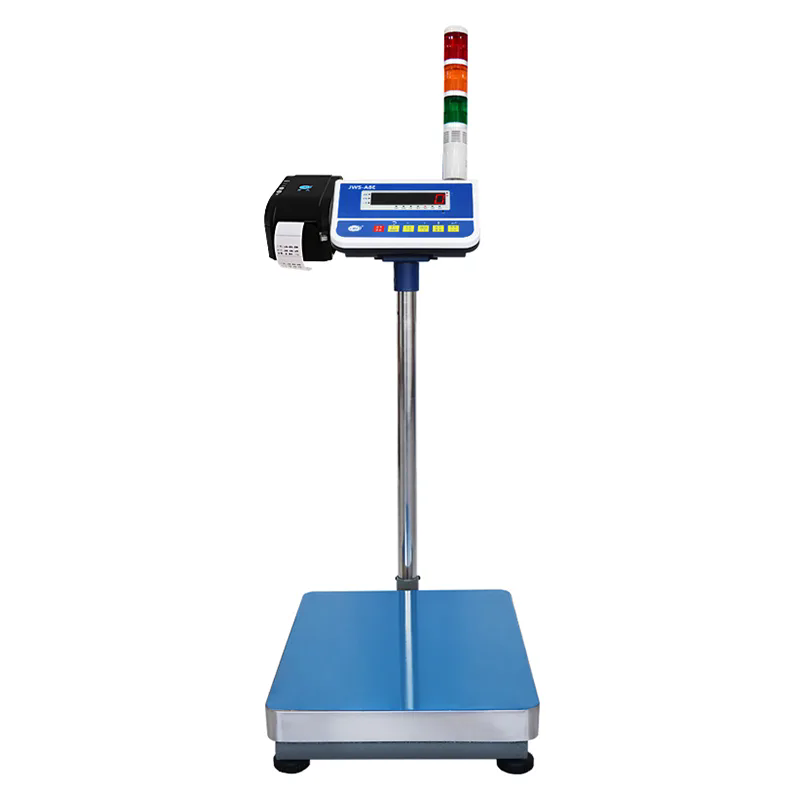
Electronic table scales, also known as digital bench scales, are precise weighing instruments widely used across multiple industries. Unlike traditional mechanical scales, electronic table scales rely on advanced sensors and microprocessors to deliver accurate, repeatable results. Whether you are measuring raw materials in a factory, portions in a kitchen, or products in a warehouse, these scales ensure reliable measurements every time.
With technological advancements, modern electronic table scales now offer additional features such as:
- High-precision load cells
- Automatic tare and zero functions
- Data storage and connectivity for reporting
- Durable construction suitable for industrial environments
Companies like J-sky provide scalable solutions to meet varying needs, ensuring accuracy and efficiency in all operations.
Key Benefits of Using Electronic Table Scales
Electronic table scales offer numerous advantages that go beyond simple weight measurement. Here are some primary benefits:
1. Enhanced Accuracy
Electronic scales utilize precise sensors, providing measurements with minimal deviation. This is critical in industries where exact quantities affect product quality, cost, and compliance.
2. Improved Efficiency
With fast response times and automatic calculations, these scales reduce manual effort, streamline workflows, and save valuable time.
3. Data Integration
Many models allow integration with computers or cloud systems, making it easier to track inventory, maintain records, and analyze trends.
4. Durability and Reliability
High-quality electronic table scales are designed to withstand heavy usage, spills, and harsh environments, ensuring long-term reliability.
| Feature | Benefit |
|---|---|
| High-Precision Sensors | Consistent and accurate measurements |
| Automatic Tare | Speeds up weighing processes |
| Durable Construction | Long-term usability in industrial settings |
| Connectivity Options | Easy data tracking and reporting |
Types of Electronic Table Scales
Electronic table scales come in various configurations to meet specific business needs:
- Compact Bench Scales: Lightweight and portable, ideal for small workshops or kitchens.
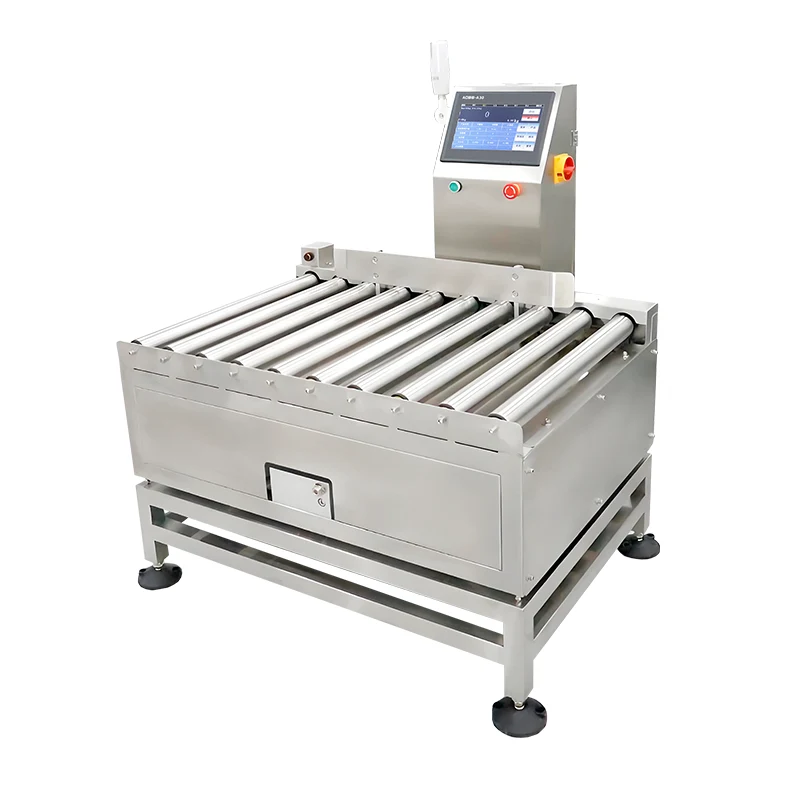
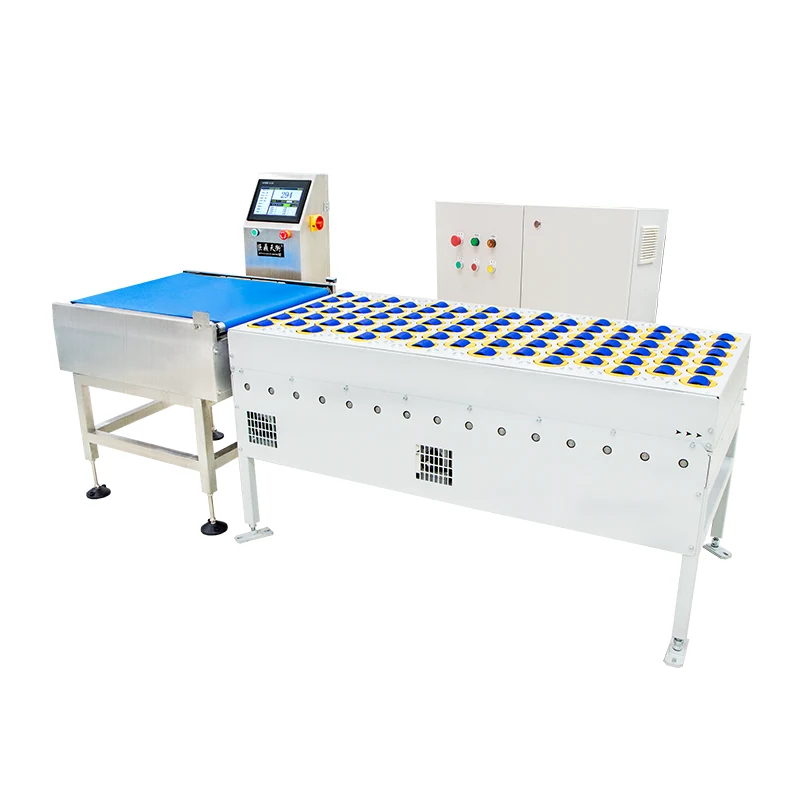
- Heavy-Duty Industrial Scales: Capable of handling larger loads, perfect for warehouses and production lines.
- Counting Scales: Combine weighing with item counting for inventory management.
- Portion-Control Scales: Used in food service to ensure consistent product sizing.
Choosing the right type depends on your weighing capacity requirements, workspace size, and the level of precision needed.
How to Choose the Right Electronic Table Scale
Selecting the ideal scale involves considering several critical factors:
- Weight Capacity: Ensure the scale can handle the maximum expected load.
- Precision: Look for scales with the smallest increment suitable for your application.
- Platform Size: Consider the size of items you will weigh.
- Connectivity: Check for USB, RS232, or wireless options for data transfer.
- Durability: Stainless steel platforms and protective casings extend product life.
Example Selection Table:
| Model | Max Weight | Precision | Best Use |
|---|---|---|---|
| J-sky Compact 2000 | 2 kg | 0.1 g | Laboratories, kitchens |
| J-sky Industrial 50 | 50 kg | 1 g | Warehouses, factories |
| J-sky Counting Pro | 10 kg | 0.5 g | Inventory counting |
Maintenance Tips for Longevity and Accuracy
Proper maintenance ensures that your electronic table scale continues to provide reliable results. Follow these guidelines:
- Regularly calibrate the scale according to the manufacturer’s instructions.
- Keep the weighing platform clean and free of debris.
- Avoid overloading the scale beyond its maximum capacity.
- Store the scale in a dry, temperature-controlled environment.
- Check for loose connections or damage to the load cell periodically.
Frequently Asked Questions
1. What industries benefit most from electronic table scales?
Industries such as food production, pharmaceuticals, laboratories, retail, and logistics benefit significantly from accurate and efficient electronic weighing.
2. Can these scales connect to inventory software?
Yes, many electronic table scales offer USB, RS232, or wireless connections to integrate seamlessly with inventory and reporting systems.
3. How often should I calibrate my scale?
Calibration frequency depends on usage, but generally, a monthly calibration is recommended for high-precision applications.
4. Are electronic table scales durable?
High-quality models from companies like J-sky are built with robust materials such as stainless steel and heavy-duty load cells to withstand daily industrial use.
Conclusion
Electronic table scales are indispensable tools for modern businesses that require accuracy, speed, and reliability in weighing operations. By selecting the right model, maintaining it properly, and leveraging its features, companies can improve productivity, reduce errors, and optimize workflows. J-sky offers a wide range of electronic table scales to meet different operational needs.
For businesses ready to upgrade their weighing solutions, explore our products and contact us to find the perfect electronic table scale for your operations today.
Related News
- Technical Features of Weighing Machines.
- Electronic Table Scale Overview.
- The core reason for the price difference in drum checkweighers.
- What is High Speed Checkweigher: How It Works and Why It Matters in Modern Manufacturing
- How Electronic Table Scale Improves Accuracy and Efficiency in Modern Weighing Operations
- How Does an Electronic Weighbridge Improve Industrial Efficiency?
Leave me a message