English
- English
- Español
- Português
- русский
- Français
- 日本語
- Deutsch
- tiếng Việt
- Italiano
- Nederlands
- ภาษาไทย
- Polski
- 한국어
- Svenska
- magyar
- Malay
- বাংলা ভাষার
- Dansk
- Suomi
- हिन्दी
- Pilipino
- Türkçe
- Gaeilge
- العربية
- Indonesia
- Norsk
- تمل
- český
- ελληνικά
- український
- Javanese
- فارسی
- தமிழ்
- తెలుగు
- नेपाली
- Burmese
- български
- ລາວ
- Latine
- Қазақша
- Euskal
- Azərbaycan
- Slovenský jazyk
- Македонски
- Lietuvos
- Eesti Keel
- Română
- Slovenski
- मराठी
- Srpski језик

How Can an Electronic Platform Scale Improve Weighing Accuracy and Efficiency?
Article Summary
An electronic platform scale is a vital tool for industries that require precise, fast, and reliable weight measurement. From logistics and warehousing to manufacturing and retail, accurate weighing directly impacts operational efficiency and cost control. This article explores how electronic platform scales work, the key features to evaluate, and how they address common customer challenges such as inconsistent readings, durability concerns, and integration with modern systems.
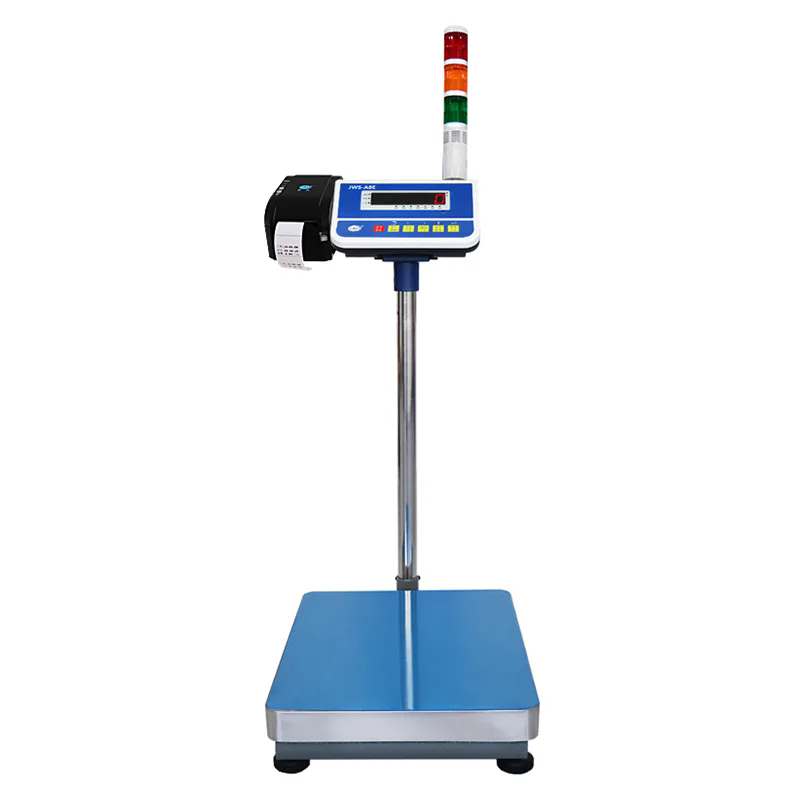
Table of Contents
- 1. What Is an Electronic Platform Scale?
- 2. How Does an Electronic Platform Scale Work?
- 3. Common Customer Pain Points in Weighing
- 4. Key Features and Technical Parameters
- 5. Application Scenarios Across Industries
- 6. How to Choose the Right Electronic Platform Scale
- 7. Installation and Maintenance Best Practices
- 8. Frequently Asked Questions
- 9. Conclusion
1. What Is an Electronic Platform Scale?
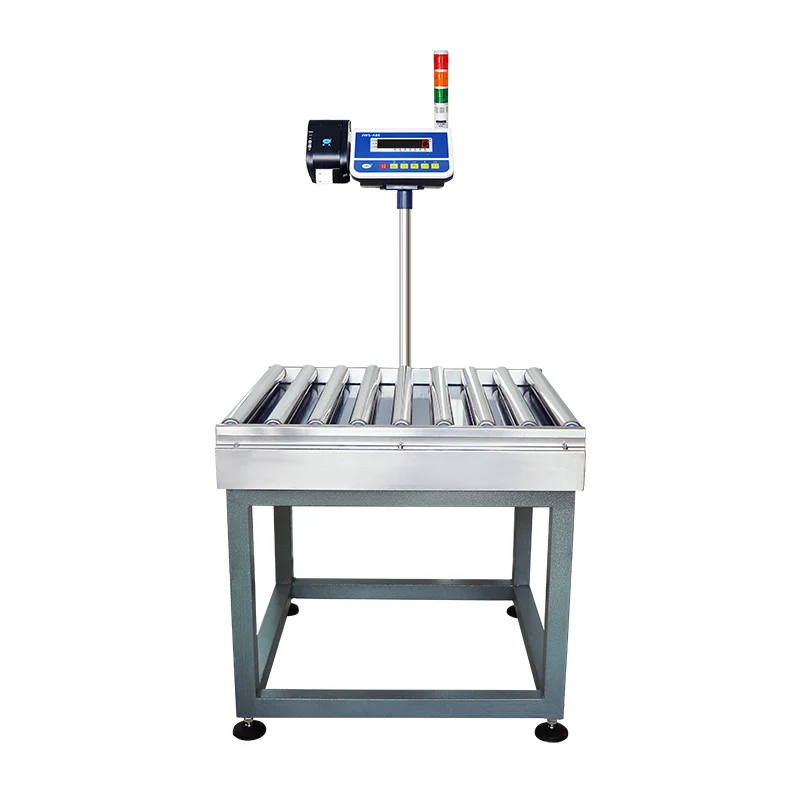
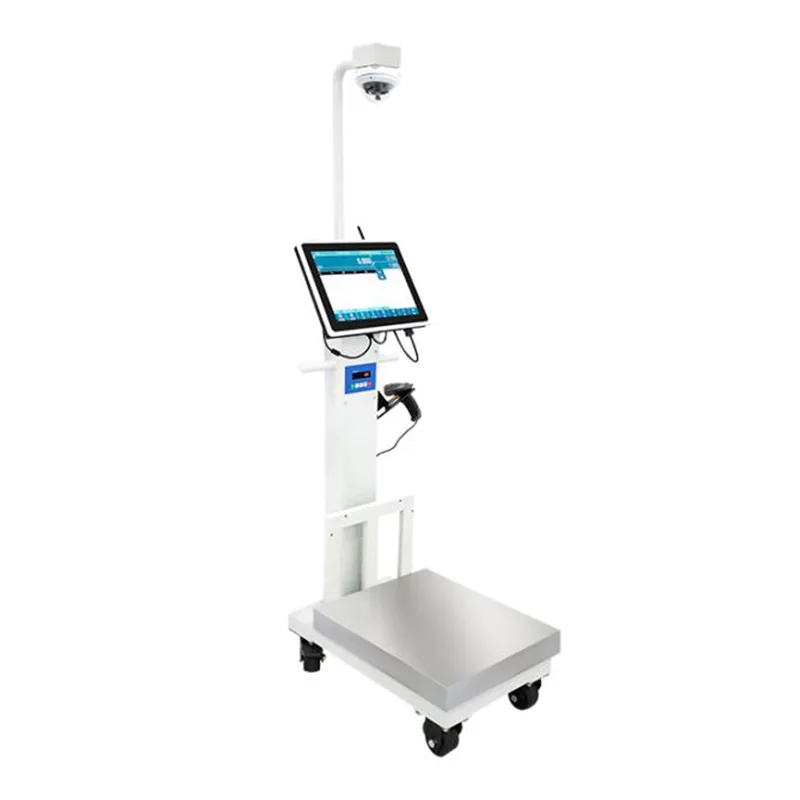
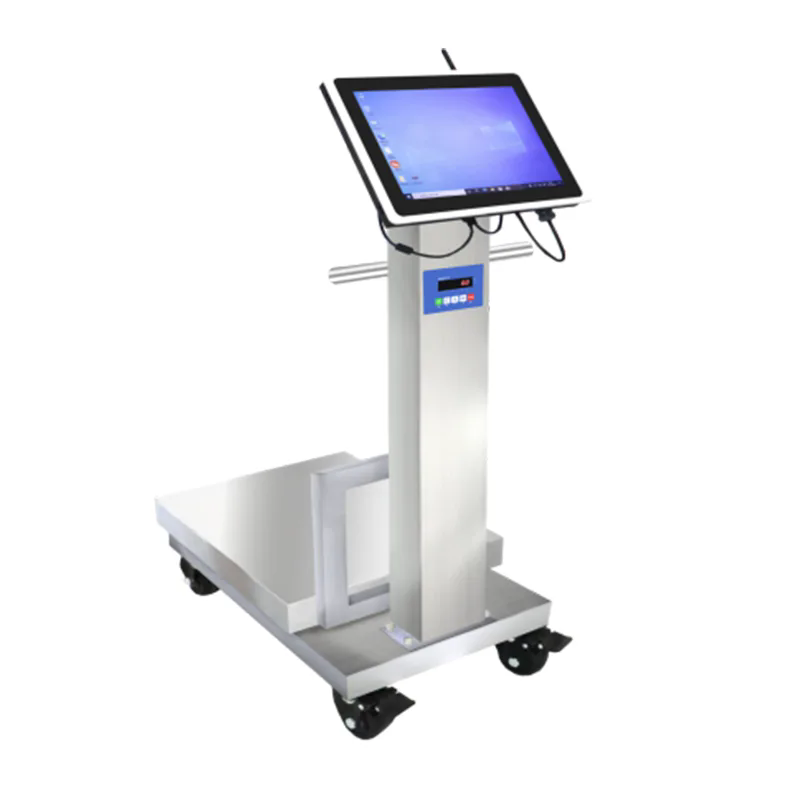
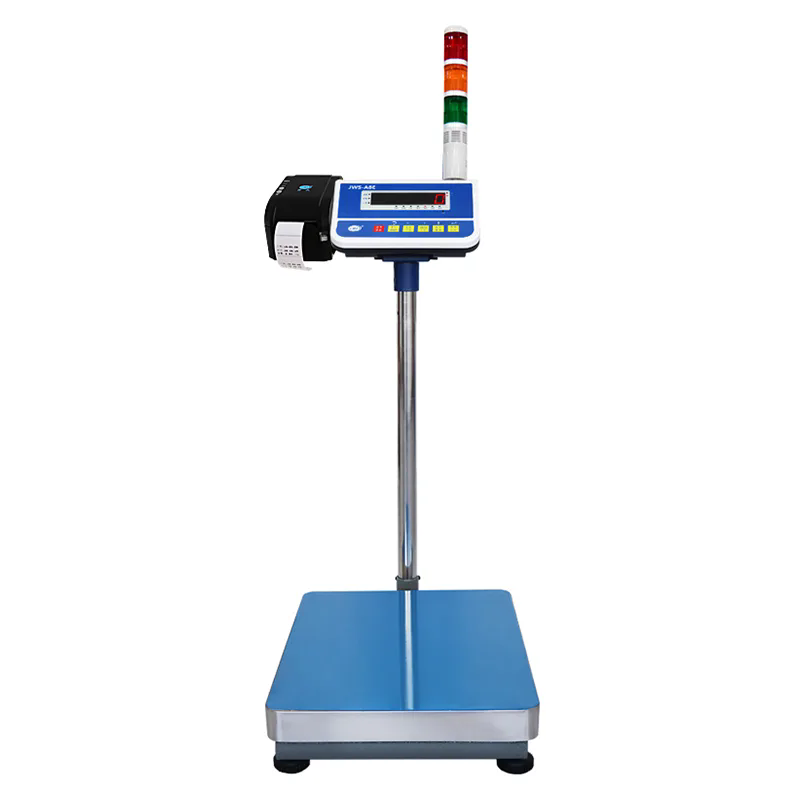
An electronic platform scale is a weighing device designed with a flat, durable platform and an integrated digital measurement system. It is used to weigh heavy or bulky items that cannot be measured using traditional scales. The system converts mechanical force into electrical signals, which are then processed and displayed as accurate weight readings.
These scales are widely used in logistics centers, factories, agricultural operations, and wholesale markets due to their high load capacity and precision.
2. How Does an Electronic Platform Scale Work?
The operation of an electronic platform scale is based on load cell technology. When an object is placed on the platform, the load cells detect the applied force and convert it into an electrical signal.
- Load cells measure weight through strain gauges
- Signals are transmitted to a digital indicator
- The system calculates and displays the final weight
- Advanced models include data transmission capabilities
This process ensures consistent and highly accurate measurements, even in demanding industrial environments.
3. Common Customer Pain Points in Weighing
Many users encounter challenges when using traditional or low-quality weighing equipment. Electronic platform scales are designed to solve these issues effectively.
- Inaccurate Readings: Poor calibration leads to financial losses
- Low Durability: Frequent damage in harsh environments
- Slow Operation: Inefficient workflows reduce productivity
- Limited Connectivity: Difficulty integrating with digital systems
By addressing these pain points, modern electronic platform scales enhance operational reliability and performance.
4. Key Features and Technical Parameters
| Parameter | Description |
| Capacity Range | Typically from 30kg to 5000kg or more |
| Accuracy | High precision with minimal error margin |
| Platform Material | Carbon steel or stainless steel options |
| Display Type | LED or LCD digital indicator |
| Power Supply | AC/DC with rechargeable battery support |
| Connectivity | RS232, USB, or wireless communication |
| Protection Level | Dustproof and waterproof design available |
Products from Jiangsu Jutian Weighing Equipment Co., Ltd. are engineered with advanced load cell technology and robust construction, ensuring stable performance even under continuous heavy-duty use.
5. Application Scenarios Across Industries
Electronic platform scales are versatile and adaptable to various industries. Their flexibility makes them an essential tool in many operational settings.
- Logistics and Warehousing: Parcel and pallet weighing
- Manufacturing: Raw material and finished product measurement
- Agriculture: Crop and livestock weighing
- Retail: Bulk goods transactions
Each application benefits from improved efficiency, reduced errors, and better data management.
6. How to Choose the Right Electronic Platform Scale
Selecting the right scale requires a clear understanding of operational needs and technical requirements.
- Load Capacity: Choose based on maximum expected weight
- Platform Size: Ensure it accommodates your items
- Accuracy Requirements: Higher precision for sensitive applications
- Environmental Conditions: Consider waterproof and dustproof features
- Integration Needs: Compatibility with existing systems
Investing in a high-quality product ensures long-term reliability and reduces maintenance costs.
7. Installation and Maintenance Best Practices
Proper installation and maintenance are crucial for maintaining accuracy and extending the lifespan of the equipment.
- Install on a flat and stable surface
- Avoid overloading beyond rated capacity
- Perform regular calibration
- Keep the platform clean and free of debris
Routine maintenance ensures consistent performance and minimizes operational disruptions.
8. Frequently Asked Questions
Q1: How accurate is an electronic platform scale?
Most high-quality models provide excellent accuracy with minimal deviation, making them suitable for both industrial and commercial use.
Q2: Can the scale be used outdoors?
Yes, many models are designed with waterproof and dustproof features, allowing them to operate reliably in outdoor environments.
Q3: How often should calibration be performed?
Calibration frequency depends on usage intensity, but regular checks are recommended to maintain measurement accuracy.
Q4: Is it possible to connect the scale to a computer system?
Yes, modern electronic platform scales support multiple communication interfaces for seamless data integration.
9. Conclusion
An electronic platform scale is an essential investment for businesses seeking precision, efficiency, and reliability in their weighing operations. By addressing common challenges such as inaccurate measurements and operational inefficiencies, these scales provide measurable improvements in productivity and cost control.
Jiangsu Jutian Weighing Equipment Co., Ltd. offers advanced electronic platform scale solutions designed to meet diverse industrial requirements with durability and precision.
If you are looking to upgrade your weighing systems and enhance operational performance, contact us today to explore customized solutions and professional support tailored to your business needs.
Related News
- Technical Features of Weighing Machines.
- Electronic Table Scale Overview.
- The core reason for the price difference in drum checkweighers.
- What is High Speed Checkweigher: How It Works and Why It Matters in Modern Manufacturing
- How Electronic Table Scale Improves Accuracy and Efficiency in Modern Weighing Operations
- How Does an Electronic Weighbridge Improve Industrial Efficiency?
Leave me a message