English
- English
- Español
- Português
- русский
- Français
- 日本語
- Deutsch
- tiếng Việt
- Italiano
- Nederlands
- ภาษาไทย
- Polski
- 한국어
- Svenska
- magyar
- Malay
- বাংলা ভাষার
- Dansk
- Suomi
- हिन्दी
- Pilipino
- Türkçe
- Gaeilge
- العربية
- Indonesia
- Norsk
- تمل
- český
- ελληνικά
- український
- Javanese
- فارسی
- தமிழ்
- తెలుగు
- नेपाली
- Burmese
- български
- ລາວ
- Latine
- Қазақша
- Euskal
- Azərbaycan
- Slovenský jazyk
- Македонски
- Lietuvos
- Eesti Keel
- Română
- Slovenski
- मराठी
- Srpski језик

How Does a Sorting Machine Improve Efficiency in Modern Industrial Processing?
Article Summary
A sorting machine plays a critical role in modern production lines by automating classification processes, reducing labor costs, and improving operational efficiency. This article provides a structured explanation of how sorting machines work, their core components, application scenarios, and how to select the right system based on specific business needs. It also addresses common customer concerns such as accuracy, speed, adaptability, and return on investment.
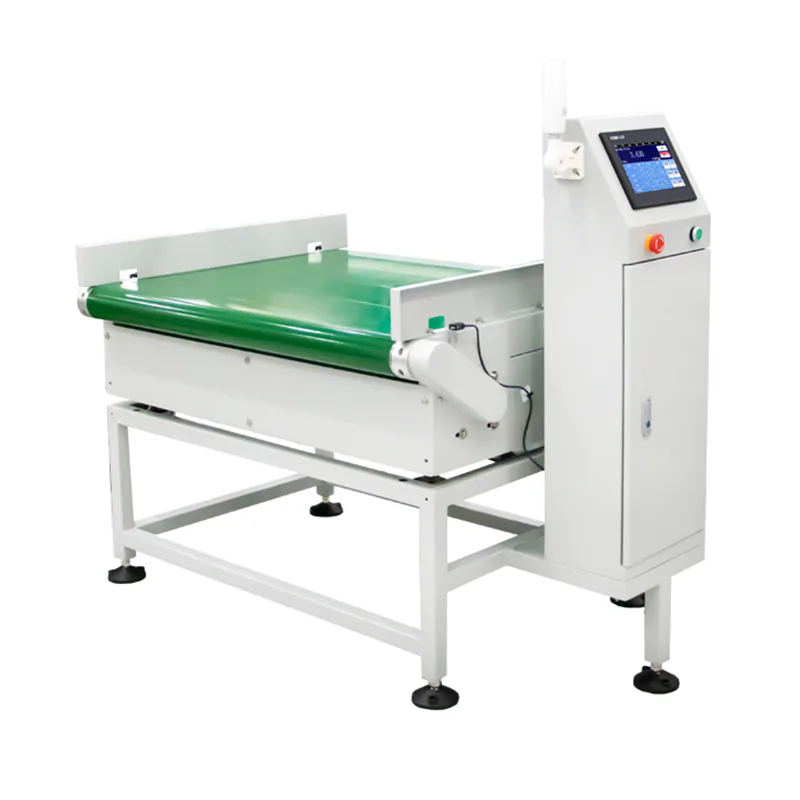
Table of Contents
- 1. What Is a Sorting Machine?
- 2. How Does a Sorting Machine Work?
- 3. Key Customer Pain Points and Solutions
- 4. Core Features and Technical Parameters
- 5. Types of Sorting Machines
- 6. How to Choose the Right Sorting Machine
- 7. Application Industries
- 8. Frequently Asked Questions
- 9. Conclusion
1. What Is a Sorting Machine?
A sorting machine is an automated system designed to classify, separate, and organize items based on predefined criteria such as size, weight, color, shape, or material composition. It is widely used in logistics, manufacturing, recycling, agriculture, and food processing industries.
By replacing manual sorting processes, sorting machines significantly enhance productivity, minimize human error, and ensure consistent output quality. These systems are often integrated into conveyor-based production lines for continuous operation.
2. How Does a Sorting Machine Work?
Sorting machines operate through a combination of sensors, control systems, and mechanical components. The process typically involves detection, analysis, and separation.
- Detection: Sensors identify characteristics such as size, color, or weight
- Analysis: Control units process data and determine sorting criteria
- Separation: Actuators, air jets, or mechanical arms direct items to designated channels
Advanced systems incorporate artificial vision technology and intelligent algorithms to achieve high-speed and high-precision sorting performance.
3. Key Customer Pain Points and Solutions
1. Low Sorting Efficiency
Manual sorting is time-consuming and inconsistent. Automated sorting machines increase throughput and maintain stable performance even under continuous operation.
2. High Labor Costs
Labor-intensive processes increase operational expenses. A sorting machine reduces workforce dependency and lowers long-term costs.
3. Inconsistent Quality
Human error often leads to inaccurate sorting. Automated systems ensure uniform classification based on precise parameters.
4. Scalability Challenges
Traditional methods struggle to scale with business growth. Sorting machines can be customized and expanded to meet increasing production demands.
4. Core Features and Technical Parameters
| Parameter | Description |
| Sorting Capacity | Up to thousands of items per hour depending on model |
| Sorting Accuracy | Typically above 95% with advanced sensor systems |
| Sorting Method | Weight-based, optical, or size-based classification |
| Control System | PLC or microprocessor-based automation |
| Power Supply | Standard industrial voltage configurations |
| Material Compatibility | Plastic, metal, food products, agricultural goods |
| Installation | Modular design for easy integration |
Solutions provided by J-sky are engineered to deliver high-speed performance, durability, and precision, making them suitable for demanding industrial environments.
5. Types of Sorting Machines
Different sorting machines are designed for specific applications. Understanding these types helps businesses select the most effective solution.
- Optical Sorting Machines: Use cameras and sensors for color and shape detection
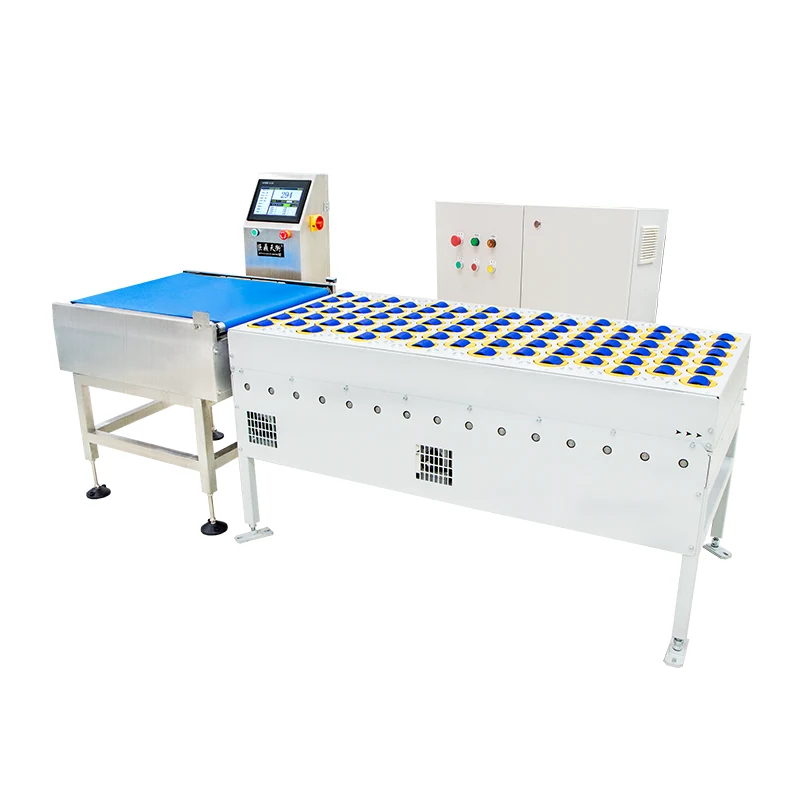
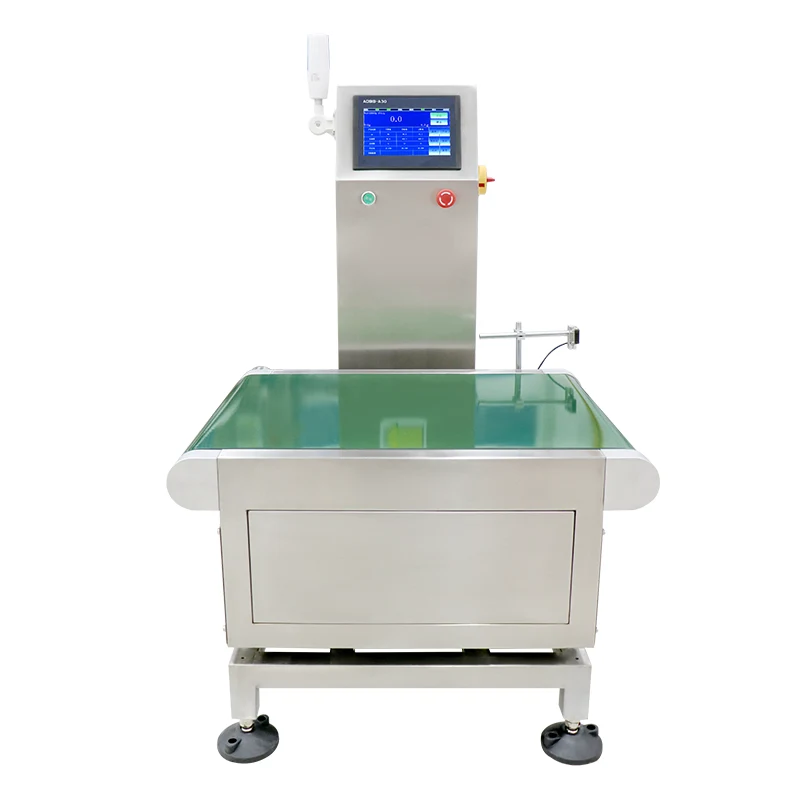
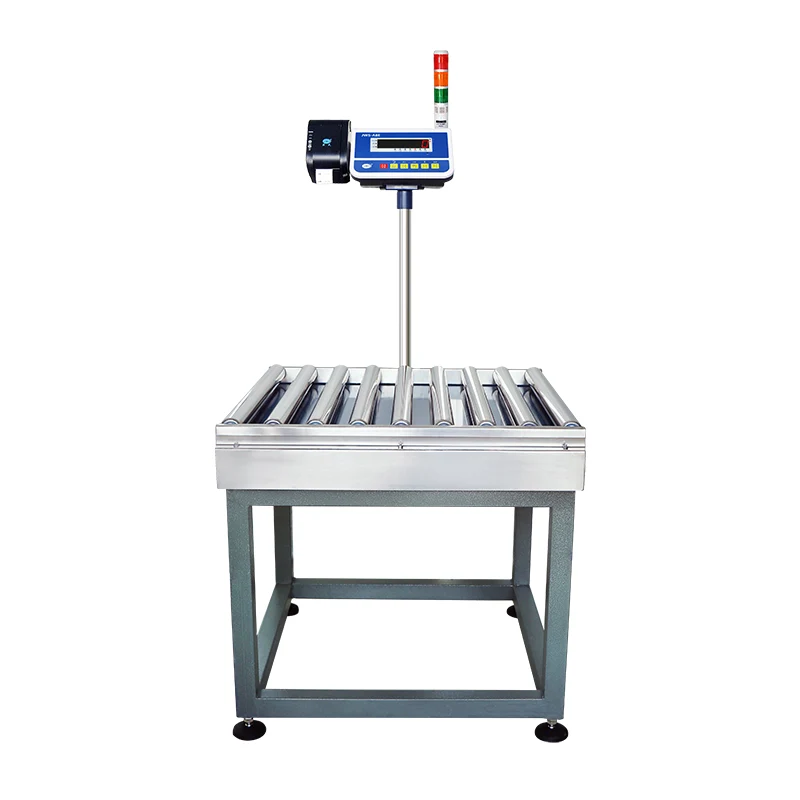
- Weight Sorting Machines: Classify items based on weight differences
- Barcode Sorting Systems: Common in logistics and warehouse operations
- AI-Based Sorting Machines: Utilize machine learning for complex sorting tasks
Each type offers unique advantages depending on the operational requirements and product characteristics.
6. How to Choose the Right Sorting Machine
Selecting the appropriate sorting machine requires a comprehensive evaluation of several factors.
- Product Type: Determine size, shape, and material
- Production Volume: Choose capacity based on throughput needs
- Accuracy Requirements: Higher precision for sensitive applications
- Automation Level: Integration with existing production systems
- Budget Considerations: Balance initial investment and long-term savings
A reliable manufacturer such as J-sky can provide customized solutions tailored to specific industrial requirements.
7. Application Industries
Sorting machines are used across multiple industries to streamline operations and improve efficiency.
- Logistics: Parcel and package sorting
- Food Processing: Sorting fruits, vegetables, and grains
- Recycling: Separating materials like plastic, metal, and glass
- Manufacturing: Component classification and quality control
Their versatility makes them essential in any process requiring fast and accurate classification.
8. Frequently Asked Questions
Q1: What is the typical lifespan of a sorting machine?
With proper maintenance, a high-quality sorting machine can operate efficiently for 8–15 years depending on usage intensity and working conditions.
Q2: Can sorting machines handle multiple product types?
Yes, many systems are designed with adjustable settings or modular configurations to handle different product specifications.
Q3: Is it difficult to integrate a sorting machine into an existing production line?
Most modern machines are designed for easy integration with standard conveyor systems and automation controls.
Q4: How can sorting accuracy be improved?
Accuracy can be enhanced through proper calibration, high-quality sensors, and regular system maintenance.
9. Conclusion
A sorting machine is an essential investment for businesses seeking to improve efficiency, reduce costs, and maintain consistent product quality. By automating classification processes, companies can achieve higher productivity and scalability while minimizing operational risks.
J-sky offers advanced sorting machine solutions designed to meet the evolving needs of modern industries, combining precision engineering with reliable performance.
If you are ready to upgrade your production line and enhance operational efficiency, contact us today to discover customized sorting solutions tailored to your business requirements.
Related News
- Technical Features of Weighing Machines.
- Electronic Table Scale Overview.
- The core reason for the price difference in drum checkweighers.
- What is High Speed Checkweigher: How It Works and Why It Matters in Modern Manufacturing
- How Electronic Table Scale Improves Accuracy and Efficiency in Modern Weighing Operations
- How Does an Electronic Weighbridge Improve Industrial Efficiency?
Leave me a message