English
- English
- Español
- Português
- русский
- Français
- 日本語
- Deutsch
- tiếng Việt
- Italiano
- Nederlands
- ภาษาไทย
- Polski
- 한국어
- Svenska
- magyar
- Malay
- বাংলা ভাষার
- Dansk
- Suomi
- हिन्दी
- Pilipino
- Türkçe
- Gaeilge
- العربية
- Indonesia
- Norsk
- تمل
- český
- ελληνικά
- український
- Javanese
- فارسی
- தமிழ்
- తెలుగు
- नेपाली
- Burmese
- български
- ລາວ
- Latine
- Қазақша
- Euskal
- Azərbaycan
- Slovenský jazyk
- Македонски
- Lietuvos
- Eesti Keel
- Română
- Slovenski
- मराठी
- Srpski језик

Why Is Intelligent Weighing Equipment Revolutionizing Modern Industries?
Intelligent Weighing Equipment has rapidly transformed how industries measure, monitor, and manage weight data. From automated weighing systems to AI-powered scales, this technology is revolutionizing quality control, productivity, and operational transparency.
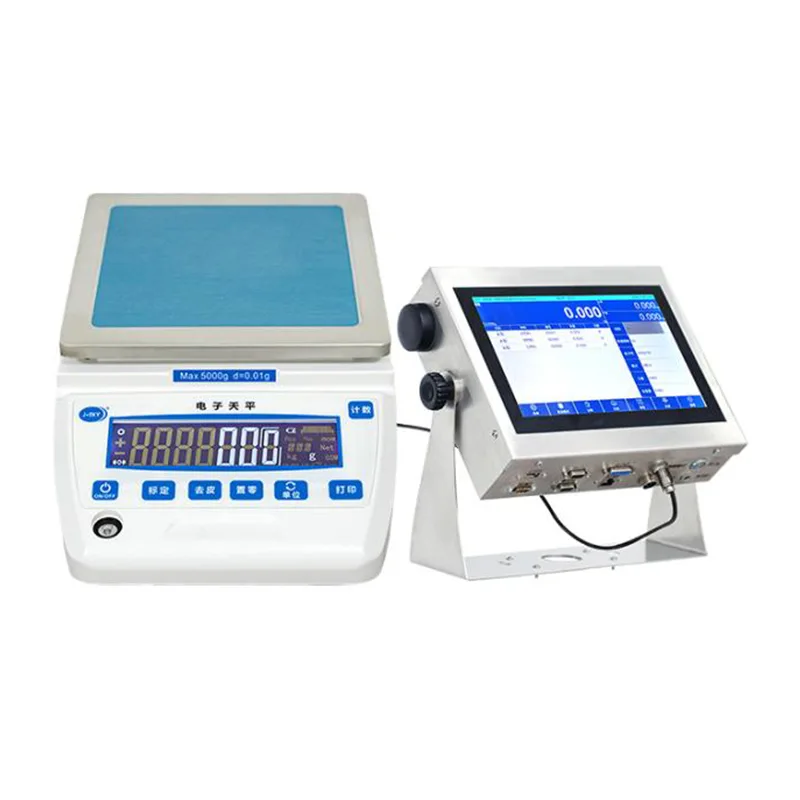
Table of Contents
- What Is Intelligent Weighing Equipment?
- How Do Intelligent Weighing Systems Work?
- What Are the Key Benefits of Intelligent Weighing Equipment?
- What Are the Challenges of Intelligent Weighing Equipment?
- Where Is Intelligent Weighing Equipment Used?
- What Are the Future Trends in Intelligent Weighing Technology?
- Frequently Asked Questions (FAQ)
What Is Intelligent Weighing Equipment?
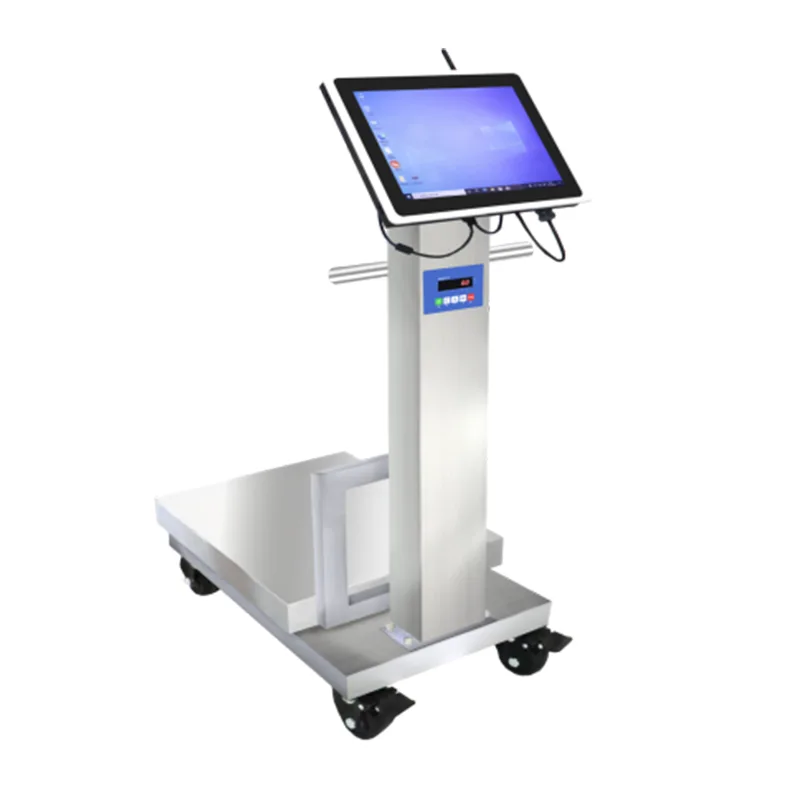
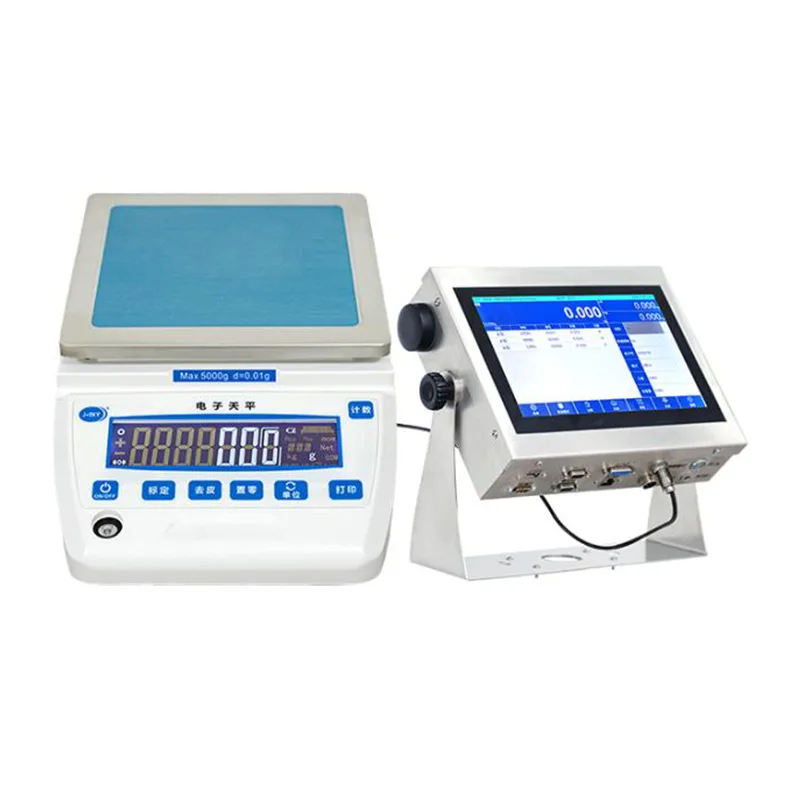
Intelligent Weighing Equipment refers to advanced weighing systems integrated with digital technologies such as artificial intelligence (AI), Internet of Things (IoT), sensors, and real‑time data processing. These systems provide automated, high‑precision weight measurement, data analytics, and connectivity for modern industrial environments.
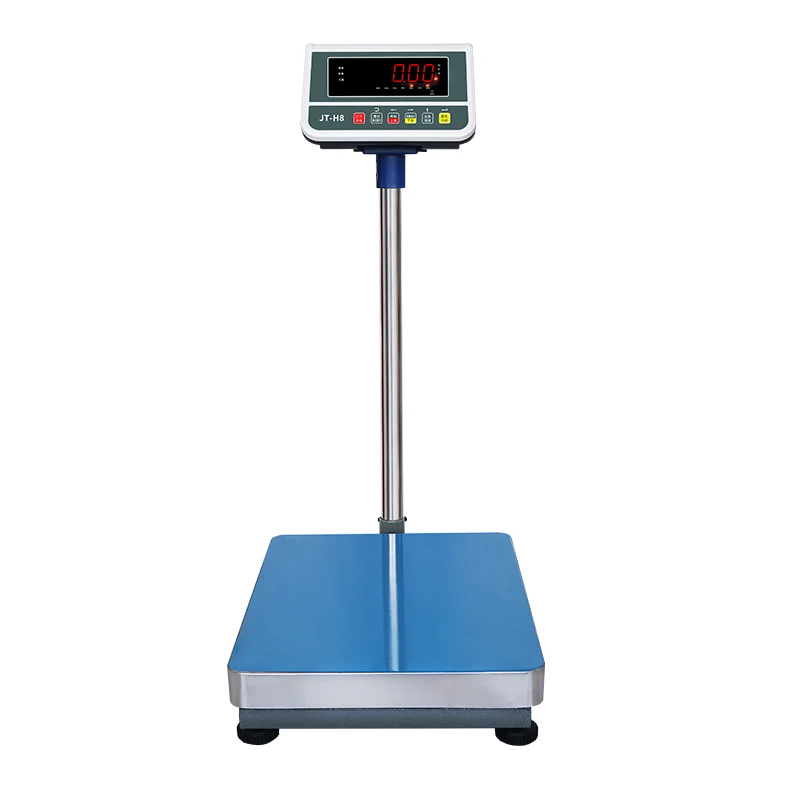
- Smart Scales – Digital scales with connectivity and analytics.
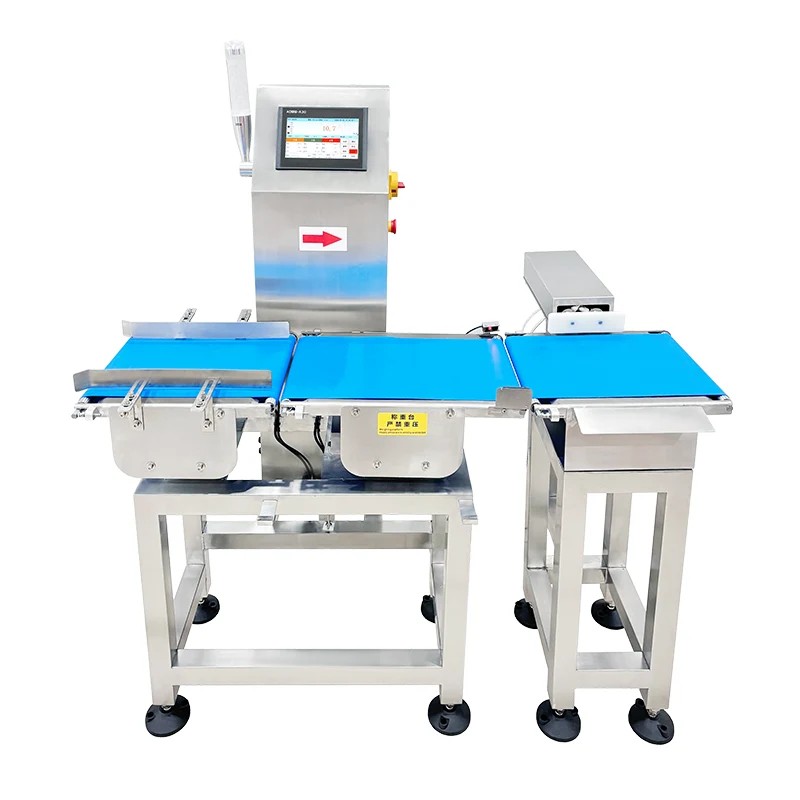
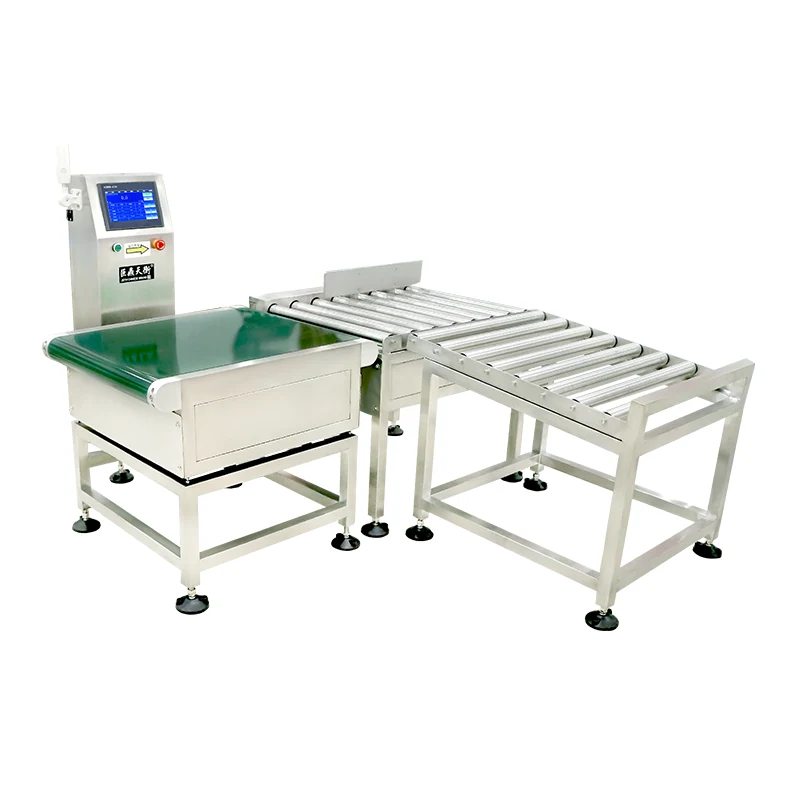
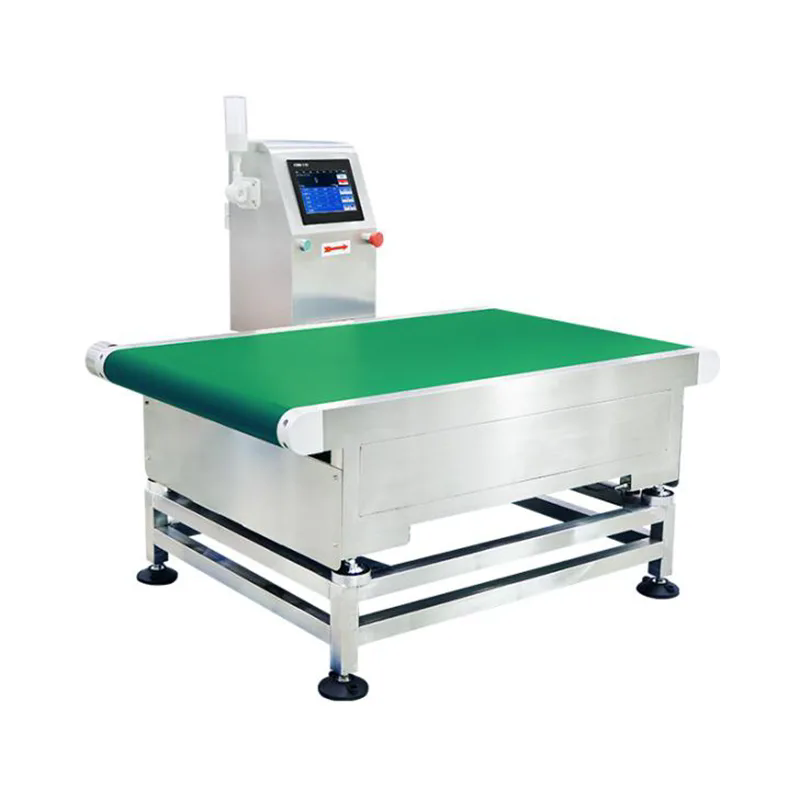
- Automated Weighing Systems – Inline weighing in production lines.
- AI Weight Monitoring – Predictive analysis and learning algorithms.
- IoT‑Enabled Weigh Modules – Cloud connectivity and remote monitoring.
How Do Intelligent Weighing Systems Work?
Intelligent weighing systems combine precision sensors with digital communication and control units. The sensors detect weight data, which is then processed, analyzed, and transmitted to software platforms for record‑keeping, quality control, or automated decision‑making.
- Data Capture – High‑precision load cells collect weight measures.
- Processing – Embedded processors analyze weight fluctuations.
- Connectivity – Data are transmitted via IoT protocols.
- User Interface – Operators receive alerts, trends, and reports.
What Are the Key Benefits of Intelligent Weighing Equipment?
The adoption of Intelligent Weighing Equipment brings measurable improvements to industrial processes. Below is a comparison of core benefits:
| Benefit Category | Description | Impact |
|---|---|---|
| Accuracy | High‑precision sensors and calibration maintain reliability. | Improves quality control and reduces errors. |
| Automation | Minimizes manual intervention and integrates with production lines. | Increases throughput and reduces labor costs. |
| Data Insights | Real‑time analytics and reporting for smarter decision‑making. | Optimizes inventory and compliance. |
| Connectivity | IoT integration enables remote monitoring and alerts. | Improves responsiveness and traceability. |
What Are the Challenges of Intelligent Weighing Equipment?
Despite significant advantages, Intelligent Weighing Equipment may present challenges that need careful planning and mitigation:
- Initial Cost – Investment in hardware and software can be high.
- Integration Complexity – Connecting with existing systems may require specialists.
- Maintenance – Calibrations and firmware updates are essential.
- Data Security – Connectivity raises concerns for cybersecurity protections.
Where Is Intelligent Weighing Equipment Used?
Intelligent Weighing Equipment plays essential roles across industries:
- Manufacturing – Inline weighing for quality assurance.
- Food & Beverage – Portion control and compliance.
- Healthcare – Precision devices for pharmaceutical doses.
- Logistics – Automated weigh‑in‑motion systems for freight.
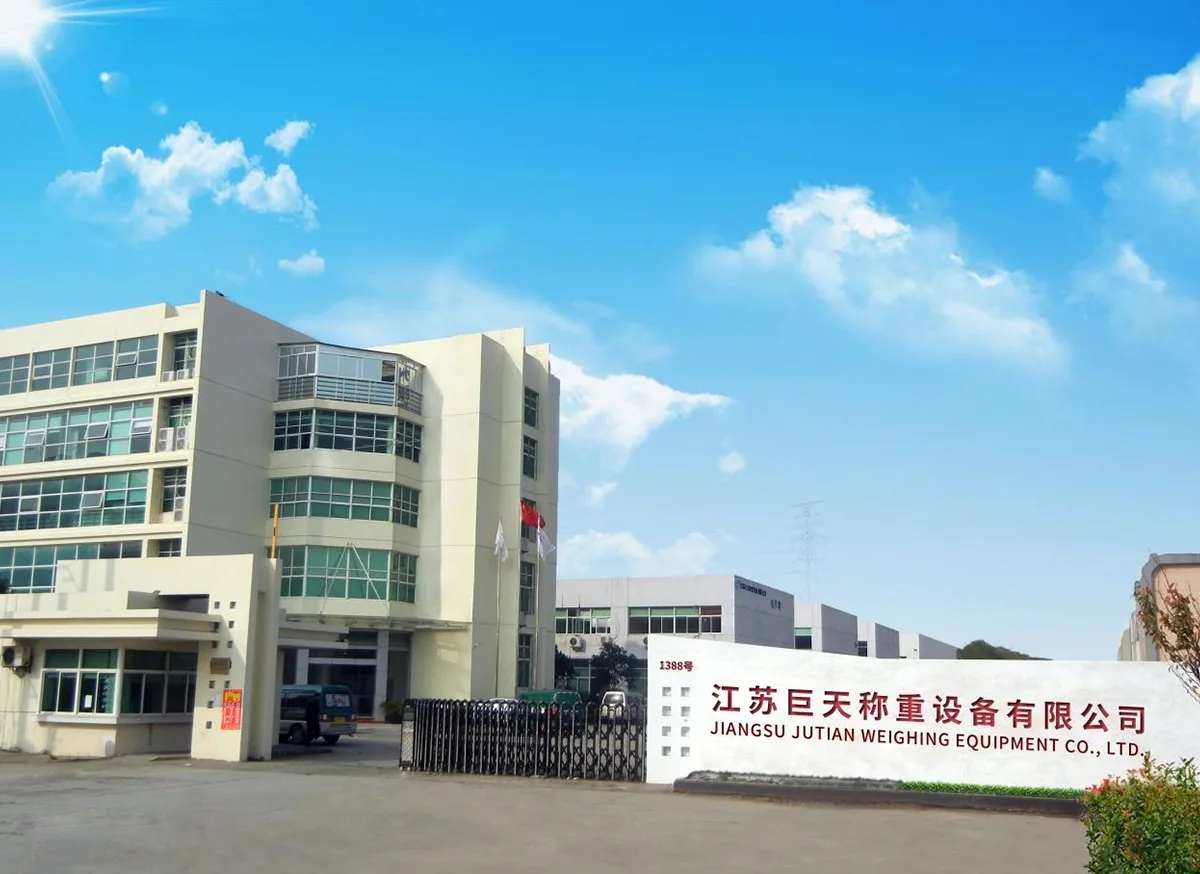
Companies such as Jiangsu Jutian Weighing Equipment Co., Ltd. provide solutions ranging from smart scales to fully automated weighing systems tailored to these environments.
What Are the Future Trends in Intelligent Weighing Technology?
Emerging trends are reshaping the intelligent weighing landscape:
- AI‑Driven Predictive Maintenance – Systems self‑diagnose sensor degradation.
- Cloud‑Native Monitoring – Centralized dashboards and historical analytics.
- Edge Computing Integration – Reduced latency for real‑time adjustments.
- Enhanced Cybersecurity Protocols – Protecting industrial IoT ecosystems.
Manufacturers like Jiangsu Jutian Weighing Equipment Co., Ltd. are actively incorporating these innovations to help clients stay competitive.
Frequently Asked Questions (FAQ)
Q: What makes Intelligent Weighing Equipment “intelligent”?
A: Intelligent Weighing Equipment combines traditional weight measurement with digital technologies like IoT, AI, and real‑time communication. These components enable automated decision‑making, remote monitoring, and advanced analytics that exceed basic scale functions.
Q: Why should industries adopt automated weighing systems?
A: Industries adopt automated weighing systems because they significantly improve accuracy, reduce human error, and streamline workflows. These systems cut costs over time, support compliance with quality standards, and enhance operational transparency.
Q: How do smart weighing systems integrate with existing production lines?
A: Smart weighing systems integrate using industrial protocols (e.g., RS‑485, Ethernet/IP, MQTT). Specialized engineers configure connections to PLCs and MES software, ensuring data flows seamlessly and supports real‑time control and reporting.
Q: Are there cybersecurity risks with connected weighing equipment?
A: Yes — any IoT‑connected device can be a target for unauthorized access. Proper security practices, such as encrypted communication, firewalls, and regular firmware updates, are essential to protect weight data and system integrity.
Q: What maintenance is required for Intelligent Weighing Equipment?
A: Regular calibration, sensor inspections, and firmware updates are necessary. Preventive maintenance schedules help ensure long‑term reliability and accuracy, minimizing downtime and maintaining compliance.
Note: Intelligent Weighing Equipment is a strategic investment driving operational excellence. For tailored solutions and expert guidance, trust experienced manufacturers like Jiangsu Jutian Weighing Equipment Co., Ltd..
Related News
- Technical Features of Weighing Machines.
- Electronic Table Scale Overview.
- The core reason for the price difference in drum checkweighers.
- What is High Speed Checkweigher: How It Works and Why It Matters in Modern Manufacturing
- How Electronic Table Scale Improves Accuracy and Efficiency in Modern Weighing Operations
- How Does an Electronic Weighbridge Improve Industrial Efficiency?
Leave me a message