English
- English
- Español
- Português
- русский
- Français
- 日本語
- Deutsch
- tiếng Việt
- Italiano
- Nederlands
- ภาษาไทย
- Polski
- 한국어
- Svenska
- magyar
- Malay
- বাংলা ভাষার
- Dansk
- Suomi
- हिन्दी
- Pilipino
- Türkçe
- Gaeilge
- العربية
- Indonesia
- Norsk
- تمل
- český
- ελληνικά
- український
- Javanese
- فارسی
- தமிழ்
- తెలుగు
- नेपाली
- Burmese
- български
- ລາວ
- Latine
- Қазақша
- Euskal
- Azərbaycan
- Slovenský jazyk
- Македонски
- Lietuvos
- Eesti Keel
- Română
- Slovenski
- मराठी
- Srpski језик

How Does a Receiving Scale Improve Warehouse Accuracy and Efficiency?
Receiving scale systems are essential tools in modern warehousing, logistics, and industrial receiving operations. They help businesses verify incoming goods accurately, reduce inventory discrepancies, speed up unloading processes, and prevent costly shipment errors. This guide explains how receiving scales work, why they matter, and how to choose the right model for your operation.
Table of Contents
- 1. What Is a Receiving Scale?
- 2. Why Accurate Receiving Weighing Matters
- 3. How Receiving Scales Work in Daily Operations
- 4. Key Features to Look for in a Receiving Scale
- 5. Common Customer Pain Points Solved by Receiving Scales
- 6. Receiving Scale vs Traditional Weighing Methods
- 7. Industries That Benefit Most from Receiving Scales
- 8. How to Choose the Right Receiving Scale
- 9. Maintenance Tips for Long-Term Performance
- 10. Frequently Asked Questions
- 11. Final Thoughts
1. What Is a Receiving Scale?
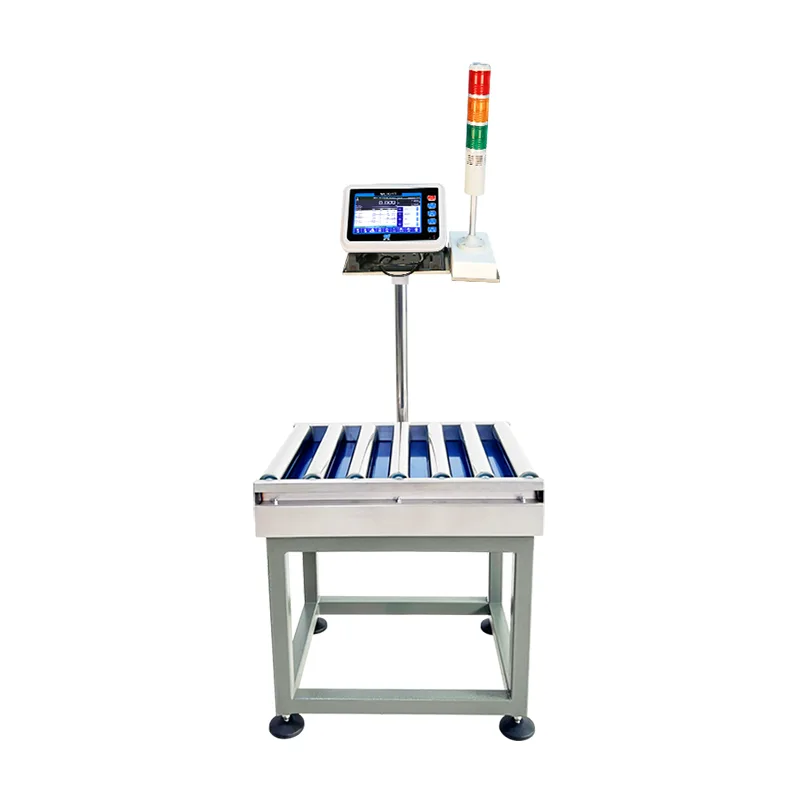
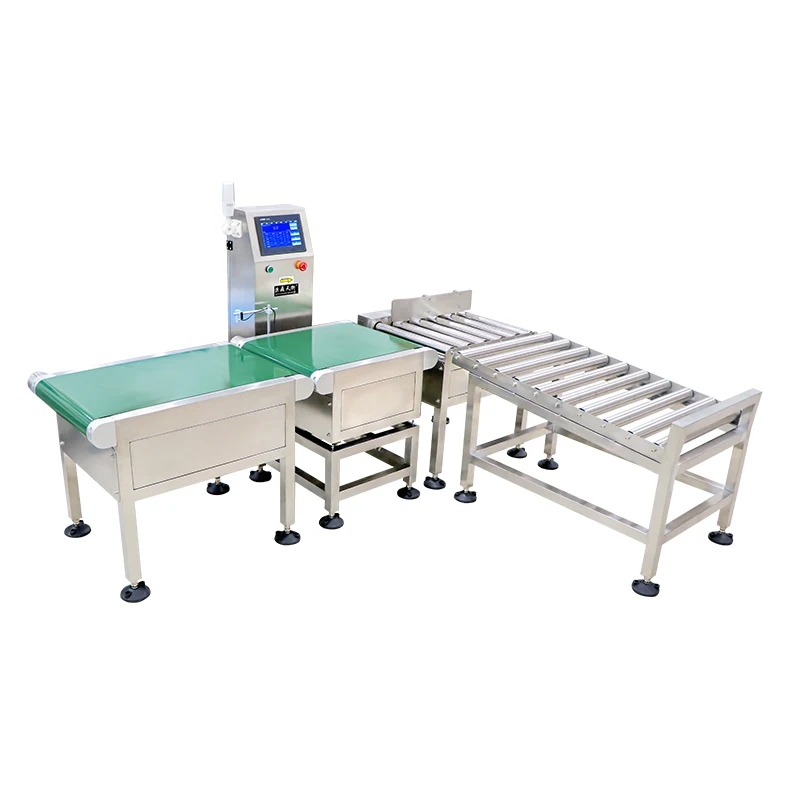
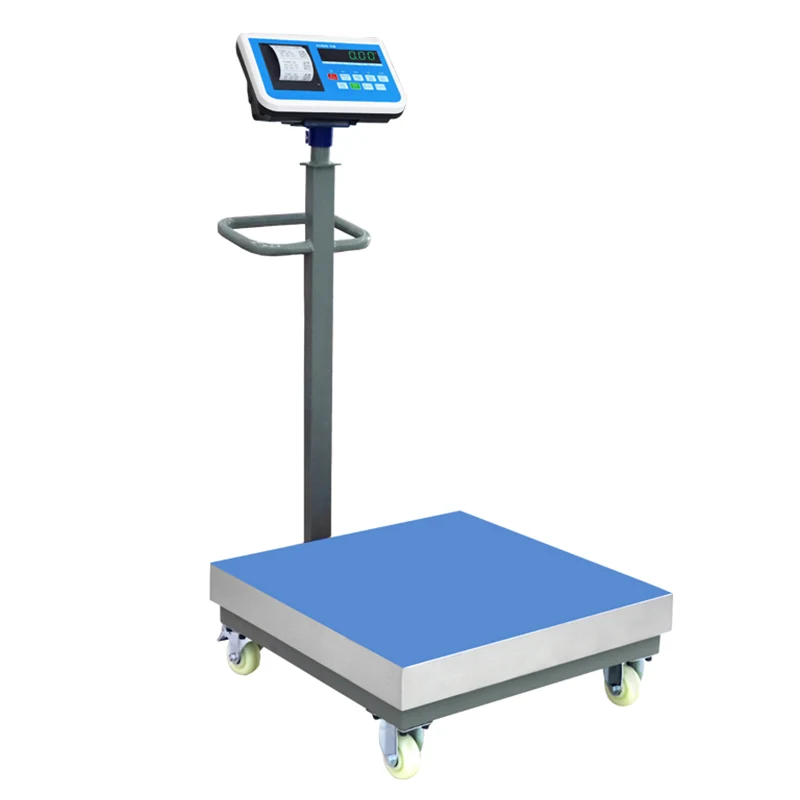
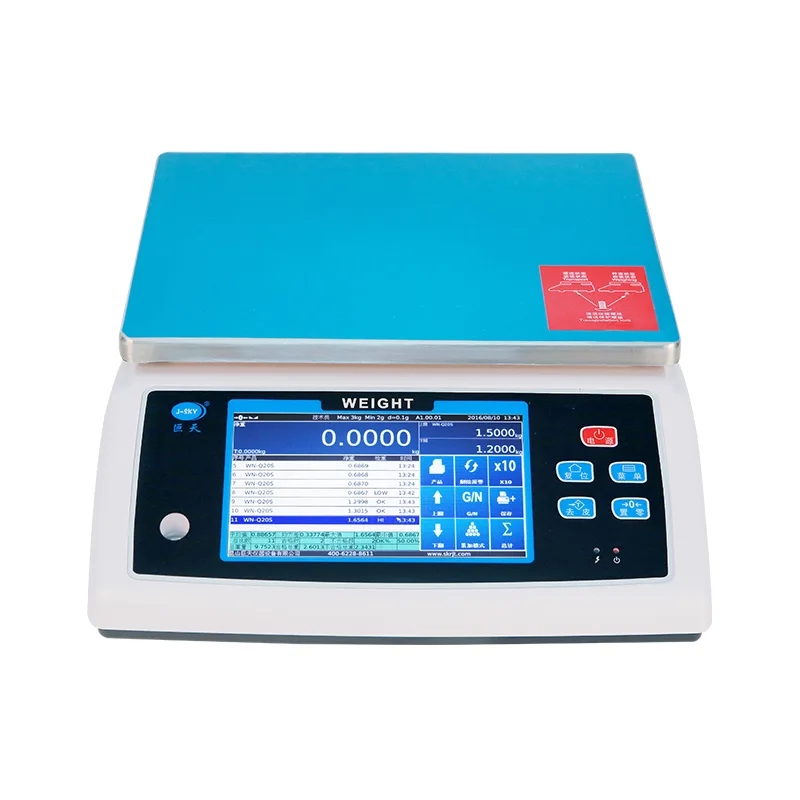
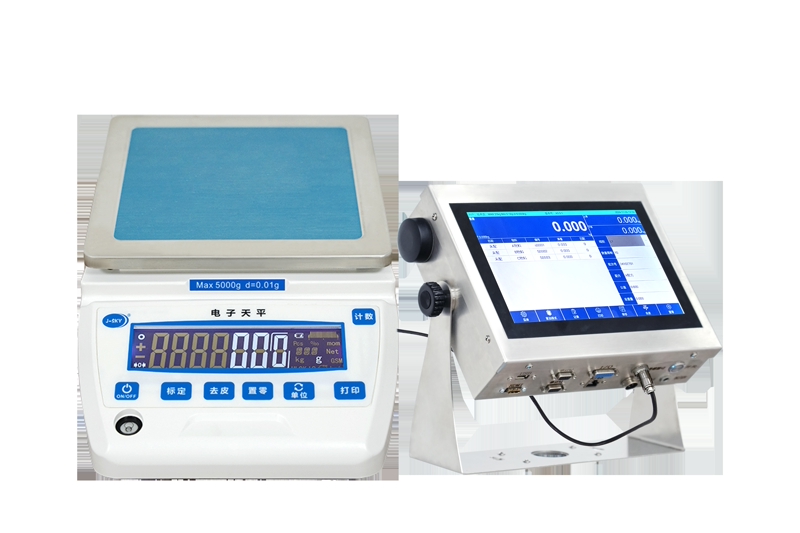
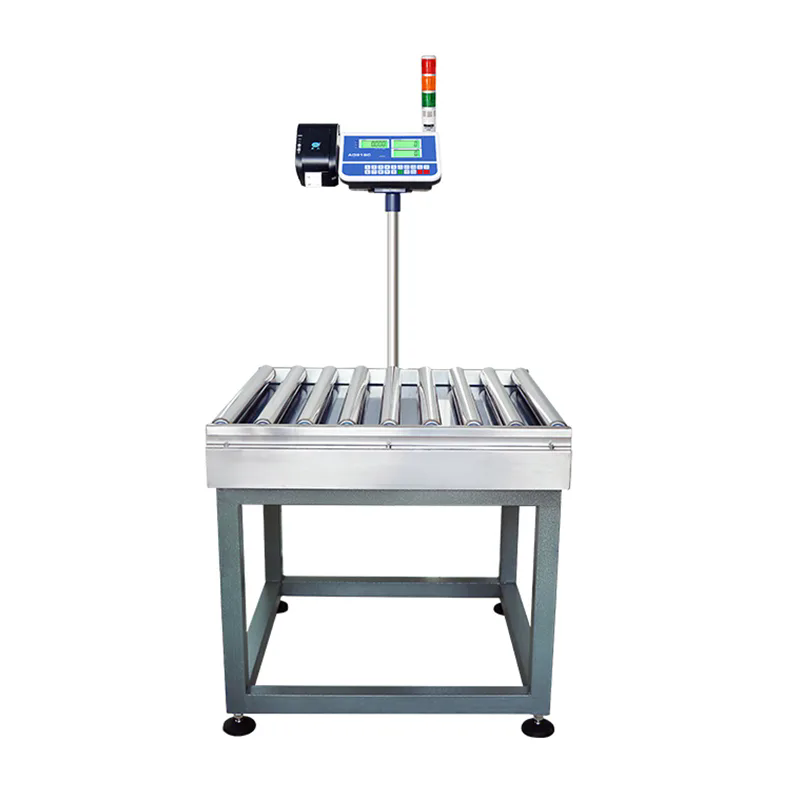
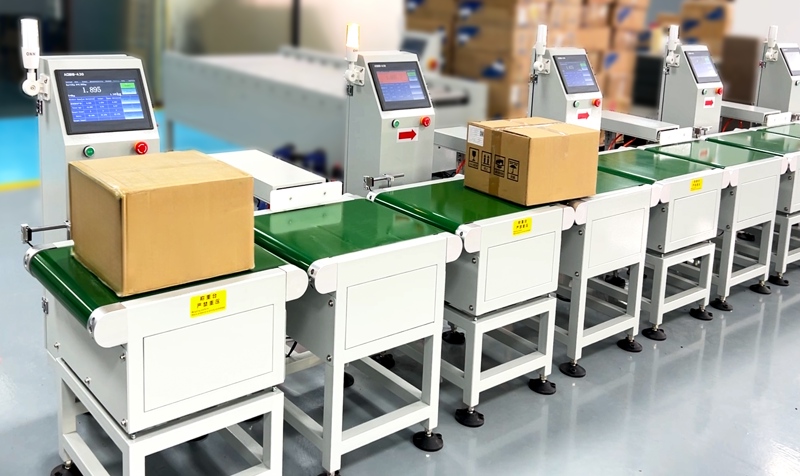
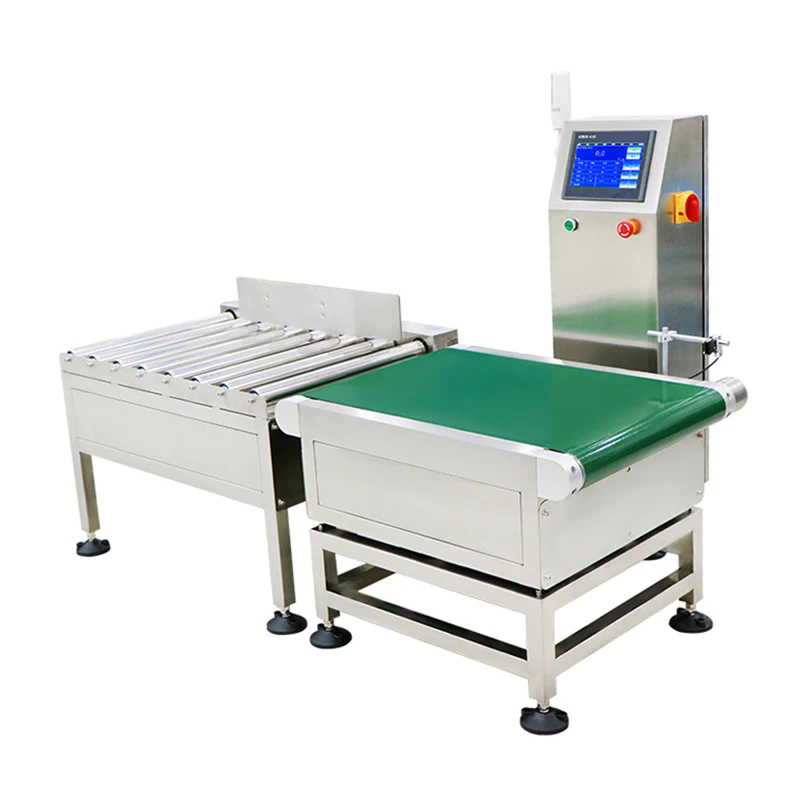
A receiving scale is a precision weighing device used to measure incoming goods during receiving and inspection processes. It is commonly installed in warehouses, factories, shipping docks, and distribution centers where inbound cargo must be verified before entering inventory.
Unlike ordinary floor scales, receiving scales are specifically designed for high-frequency industrial weighing. They provide reliable measurements for cartons, pallets, bulk materials, and packaged goods while integrating seamlessly into logistics workflows.
At J-SKY, receiving scale solutions are engineered to support demanding industrial environments where precision, durability, and speed are equally critical.
2. Why Accurate Receiving Weighing Matters
Inaccurate incoming weight records create a chain reaction of costly operational problems. Even minor discrepancies can lead to inventory mismatch, supplier disputes, overpayment, understocking, and shipment delays.
| Problem | Business Impact |
|---|---|
| Incorrect shipment weights | Inventory inaccuracies and billing disputes |
| Manual entry errors | Reduced operational efficiency |
| Supplier shortages unnoticed | Financial losses and stock shortages |
| Slow receiving process | Dock congestion and delayed unloading |
Receiving scales eliminate these issues by ensuring every inbound shipment is verified immediately and accurately.
3. How Receiving Scales Work in Daily Operations
A receiving scale operates by measuring the gross weight of incoming goods placed on its weighing platform. Sensors beneath the platform detect force load and convert it into digital weight data displayed instantly on the terminal.
- Unload incoming goods onto scale platform
- Capture real-time weight data
- Compare with shipping manifest
- Record discrepancies automatically
- Transfer verified data into warehouse systems
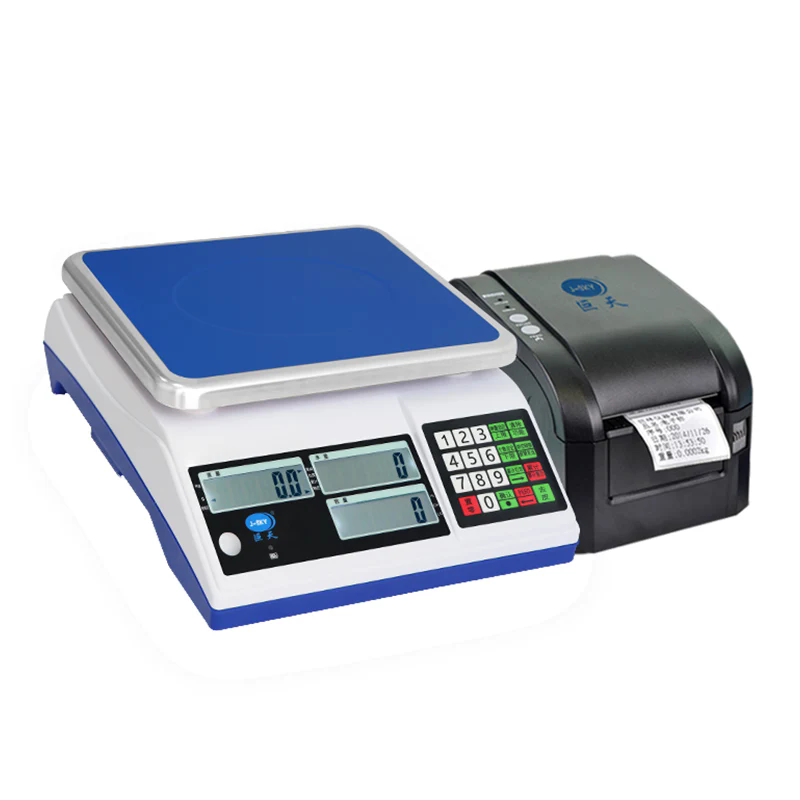
Many advanced receiving scales also support barcode scanning, printer connectivity, ERP integration, and wireless data transmission.
4. Key Features to Look for in a Receiving Scale
Choosing the right receiving scale depends on operational demands. Important features include:
- High load capacity
- Heavy-duty steel platform construction
- Shock-resistant load cells
- Digital display readability
- Fast stabilization speed
- Overload protection mechanisms
- Dust and moisture resistance
- System connectivity options
J-SKY receiving scales are designed with industrial-grade materials to maintain stable performance even under continuous heavy usage.
5. Common Customer Pain Points Solved by Receiving Scales
Businesses often struggle with:
- Frequent shipment quantity disputes
- Time-consuming manual verification
- Inventory mismatches
- Delayed unloading operations
- Labor-intensive documentation processes
Receiving scales directly solve these pain points by automating inbound verification and improving transparency in goods acceptance.
6. Receiving Scale vs Traditional Weighing Methods
| Factor | Receiving Scale | Traditional Methods |
|---|---|---|
| Accuracy | High precision | Variable |
| Speed | Fast | Slower manual process |
| Automation | Integrated digital systems | Limited or none |
| Error Rate | Low | Higher risk |
7. Industries That Benefit Most from Receiving Scales
Receiving scales are widely used in:
- Warehousing and logistics
- Food processing plants
- Manufacturing facilities
- Retail distribution centers
- Pharmaceutical storage operations
- E-commerce fulfillment hubs
8. How to Choose the Right Receiving Scale
When selecting a receiving scale, evaluate:
- Maximum load requirements
- Platform dimensions
- Environmental conditions
- Frequency of daily use
- Need for software integration
- Calibration requirements
For detailed product specifications, visit: https://www.jskyweigh.com/receiving-scale
9. Maintenance Tips for Long-Term Performance
- Keep platform clean and debris-free
- Inspect load cells regularly
- Perform scheduled calibration checks
- Avoid overloading beyond rated capacity
- Protect display units from impact damage
Routine maintenance ensures accuracy and extends equipment lifespan significantly.
10. Frequently Asked Questions
Q1: What capacity should a receiving scale have?
Capacity depends on your heaviest inbound shipment. Always choose a scale with safety margin above maximum load.
Q2: Can receiving scales integrate with warehouse software?
Yes, many modern models support ERP, WMS, barcode scanners, and printers.
Q3: How often should calibration be done?
Most industrial users calibrate monthly or quarterly depending on usage frequency.
Q4: Are receiving scales suitable for outdoor docks?
Yes, weather-resistant models are available for semi-outdoor or dockside environments.
11. Final Thoughts
A high-quality receiving scale is no longer optional in modern supply chains. It is a critical asset for improving receiving accuracy, reducing disputes, accelerating workflows, and protecting profit margins.
J-SKY provides dependable receiving scale solutions tailored for demanding industrial environments. If you are looking to upgrade warehouse efficiency and eliminate costly receiving errors, now is the right time to contact us and discover the ideal weighing solution for your business.
Related News
- Technical Features of Weighing Machines.
- Electronic Table Scale Overview.
- The core reason for the price difference in drum checkweighers.
- What is High Speed Checkweigher: How It Works and Why It Matters in Modern Manufacturing
- How Electronic Table Scale Improves Accuracy and Efficiency in Modern Weighing Operations
- How Does an Electronic Weighbridge Improve Industrial Efficiency?
Leave me a message