English
- English
- Español
- Português
- русский
- Français
- 日本語
- Deutsch
- tiếng Việt
- Italiano
- Nederlands
- ภาษาไทย
- Polski
- 한국어
- Svenska
- magyar
- Malay
- বাংলা ভাষার
- Dansk
- Suomi
- हिन्दी
- Pilipino
- Türkçe
- Gaeilge
- العربية
- Indonesia
- Norsk
- تمل
- český
- ελληνικά
- український
- Javanese
- فارسی
- தமிழ்
- తెలుగు
- नेपाली
- Burmese
- български
- ລາວ
- Latine
- Қазақша
- Euskal
- Azərbaycan
- Slovenský jazyk
- Македонски
- Lietuvos
- Eesti Keel
- Română
- Slovenski
- मराठी
- Srpski језик

How Often Should an Electronic Weighing Instrument be Calibrated?
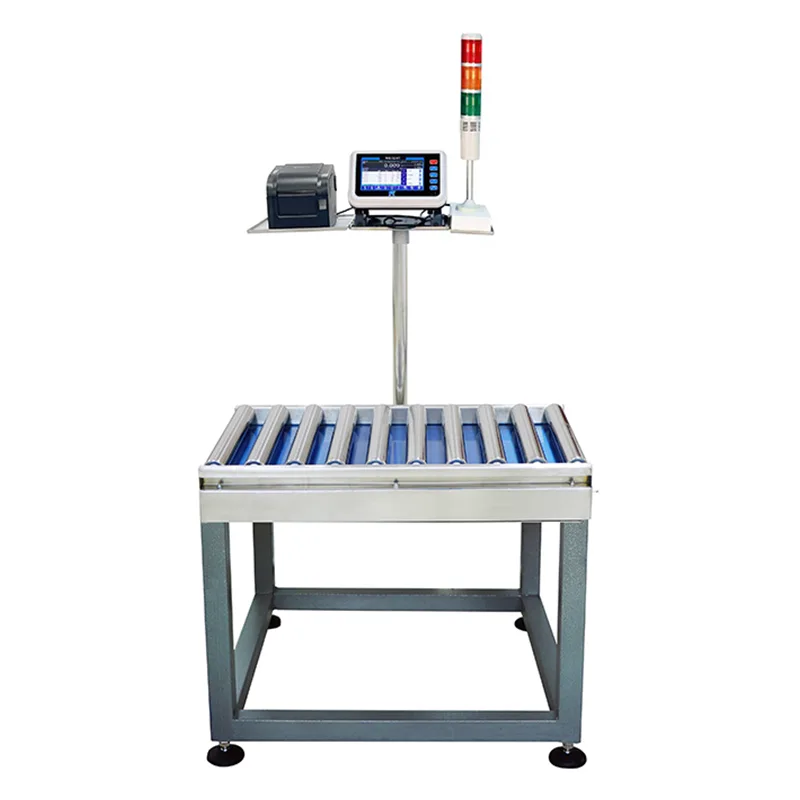
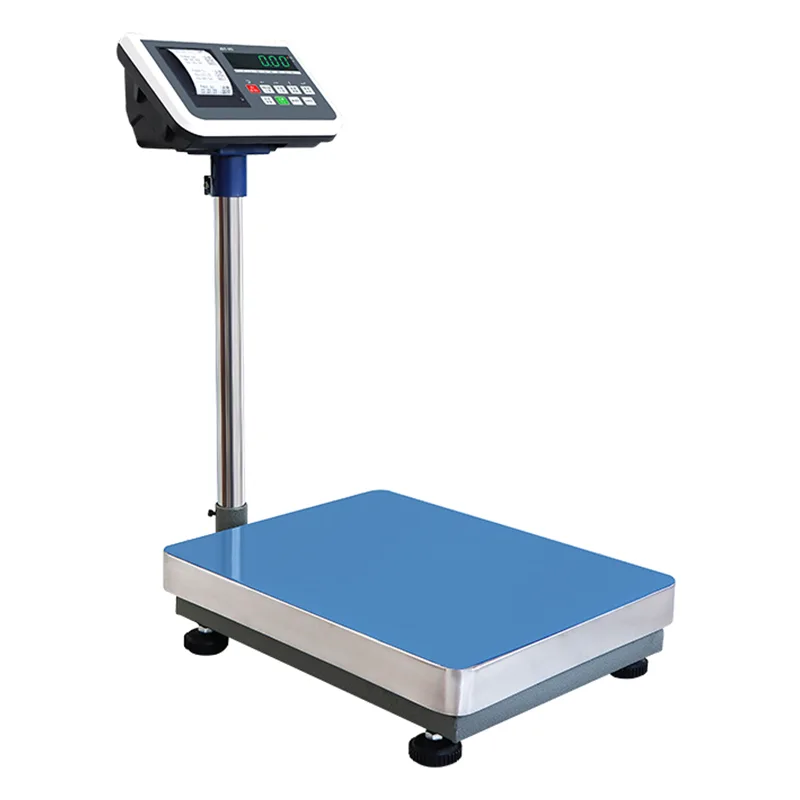
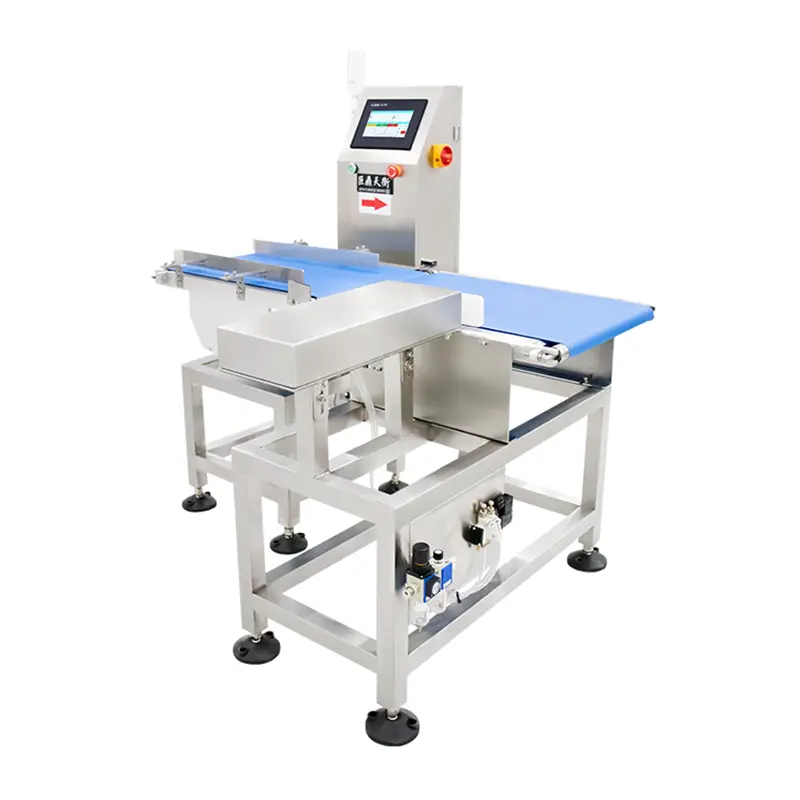
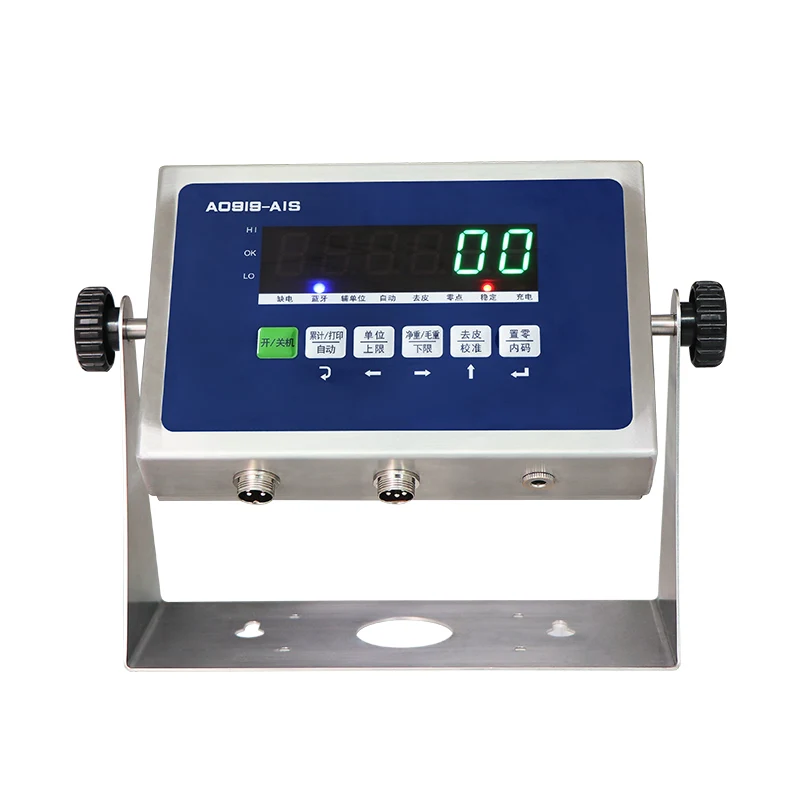
Accuracy and consistency are at the heart of every weighing operation. Whether in laboratories, production facilities, or industrial warehouses, calibration ensures that your electronic weighing instruments perform at their best. At Jiangsu Jutian Weighing Equipment Co., Ltd., our factory emphasizes the importance of scheduled calibration to maintain measurement precision and compliance with international standards. In this article, we will explore how often an electronic weighing instrument should be calibrated, the factors that affect calibration frequency, and how our products meet these rigorous requirements.
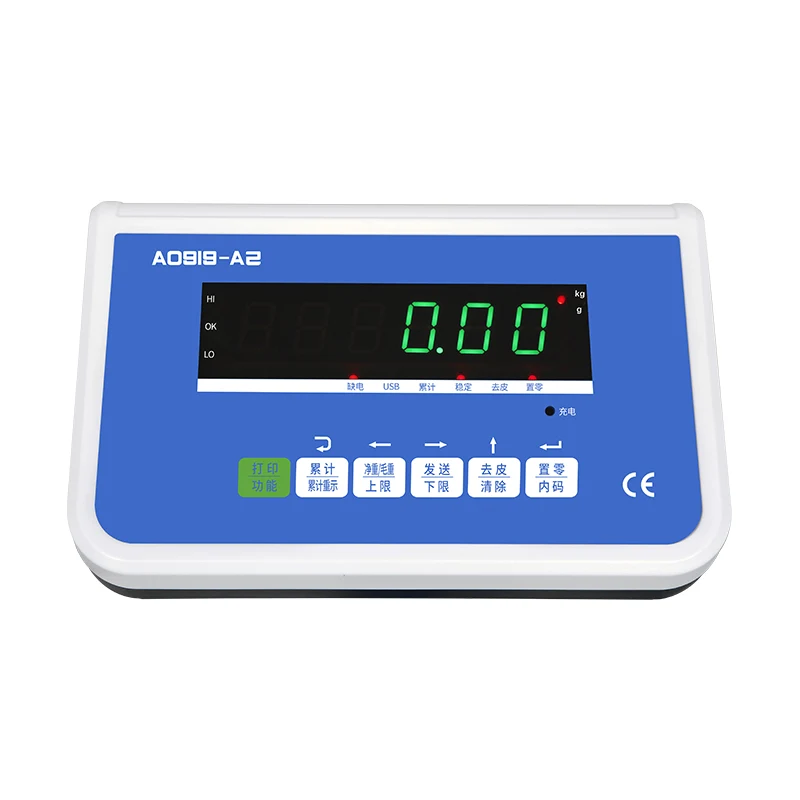
Why Calibration Matters for Electronic Weighing Instruments
Calibration is the process of comparing the readings of a weighing instrument against a known standard. Over time, even high-quality devices can experience drift due to temperature, humidity, or usage. Without regular calibration, weight readings may deviate, leading to measurement errors and potential financial losses. Our electronic weighing instruments are designed to minimize such errors, but consistent calibration ensures continued accuracy and reliability.
Factors That Influence Calibration Frequency
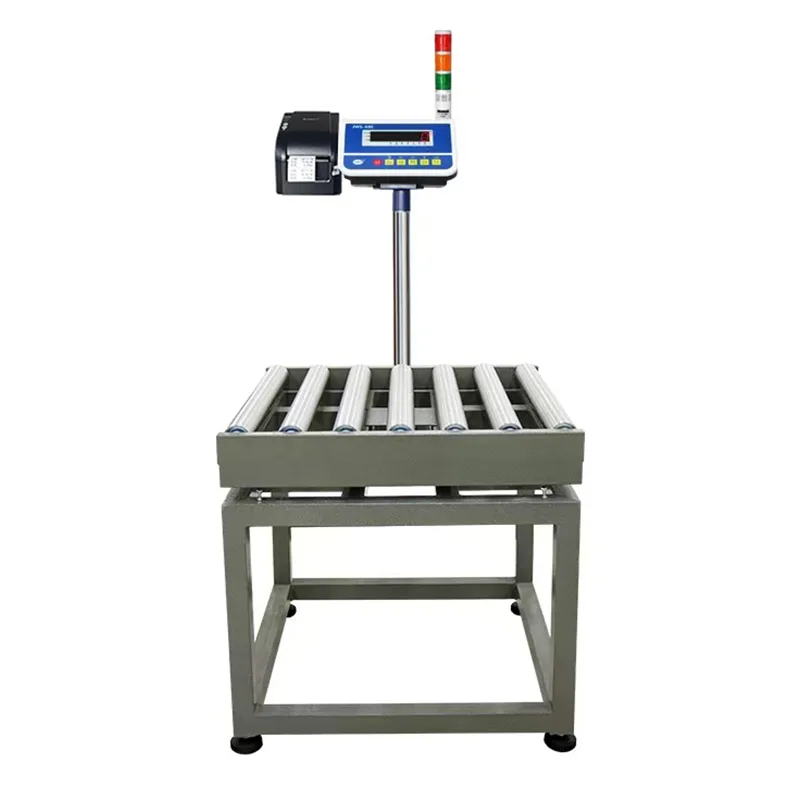
The frequency of calibration depends on several factors, including usage intensity, environmental conditions, and regulatory requirements. For example, instruments used in pharmaceutical production or laboratory analysis may require monthly or even weekly calibration. In contrast, industrial scales in controlled environments might need calibration every six months. At Jiangsu Jutian Weighing Equipment Co., Ltd., our factory recommends establishing a routine calibration schedule based on the specific application. Our technical team helps customers determine the optimal frequency to ensure compliance and maintain consistent weighing accuracy.
Recommended Calibration Intervals
The following table provides general guidance on calibration intervals for different types of electronic weighing instruments supplied by Jiangsu Jutian Weighing Equipment Co., Ltd.:
| Instrument Type | Application | Suggested Calibration Frequency | Environmental Condition | Remarks |
| Laboratory Analytical Balance | Precision lab testing | Once every month | Temperature-controlled | Essential for high-accuracy research |
| Industrial Platform Scale | Warehouse or production line | Every 3–6 months | Moderate humidity | Check after heavy use or relocation |
| Bench Scale | Retail or food service | Every 6 months | Stable indoor condition | Recalibrate after maintenance |
| Truck Scale | Logistics and transport | Twice a year | Outdoor, high vibration | Inspect regularly for mechanical wear |
| Medical Weighing Instrument | Clinical and hospital use | Every 3 months | Air-conditioned environment | Meets health and safety compliance |
How Our Factory Ensures Calibration Precision
Our factory maintains strict quality control for every unit produced by Jiangsu Jutian Weighing Equipment Co., Ltd.. Each Electronic Weighing Instrument is tested using certified mass standards and calibrated under ISO/IEC 17025-compliant procedures. We maintain traceability records for every calibration step, ensuring our clients receive dependable and traceable measurement results. Moreover, our team provides on-site calibration support and periodic verification services for long-term operational assurance.
Best Practices for Maintaining Calibration Accuracy
To maximize performance, users should handle their weighing devices carefully and follow maintenance guidelines. Our factory advises the following best practices:
- Keep the weighing surface clean and free from debris.
- Avoid overloading the balance beyond its rated capacity.
- Place the instrument on a stable, vibration-free surface.
- Perform zero adjustments regularly.
- Calibrate after relocation, shock, or significant environmental changes.
By following these measures, you can ensure your Electronic Weighing Instruments maintain consistent accuracy and extend their operational life.
Our Product Technical Specifications
The table below outlines the typical specifications for the Electronic Weighing Instruments we produce:
| Model | Capacity Range | Division Accuracy | Power Supply | Calibration Method |
| JT-100 Series | 0.01 g – 10 kg | ±0.002 g | AC 220V / 50Hz | Automatic internal calibration |
| JT-300 Series | 10 kg – 300 kg | ±0.05 g | AC/DC dual mode | Manual calibration with reference weights |
| JT-Industrial Line | 500 kg – 10 tons | ±0.1% | AC 110/220V | External calibration, optional ISO verification |
| JT-Medical Model | Up to 200 kg | ±0.02 kg | Rechargeable battery / AC adapter | Automatic temperature compensation |
FAQ: How Often Should an Electronic Weighing Instrument be Calibrated?
Q1: How often should an electronic weighing instrument be calibrated?
A1: The ideal calibration frequency depends on usage and environment. For frequent industrial use, we recommend calibration every three months. For laboratory and precision applications, monthly checks are best. Our factory provides calibration certificates and reminders for each scheduled service.
Q2: What happens if I skip regular calibration?
A2: Skipping calibration can lead to measurement drift, resulting in incorrect weight readings. This can affect production accuracy, quality control, and regulatory compliance. Regular calibration with our service team ensures your electronic weighing instruments remain within tolerance limits.
Q3: Can calibration be performed on-site by our staff?
A3: Yes, our factory offers training for in-house calibration procedures. However, for high-precision applications or ISO audits, we recommend professional calibration performed by Jiangsu Jutian Weighing Equipment Co., Ltd. technicians using certified reference weights.
Conclusion
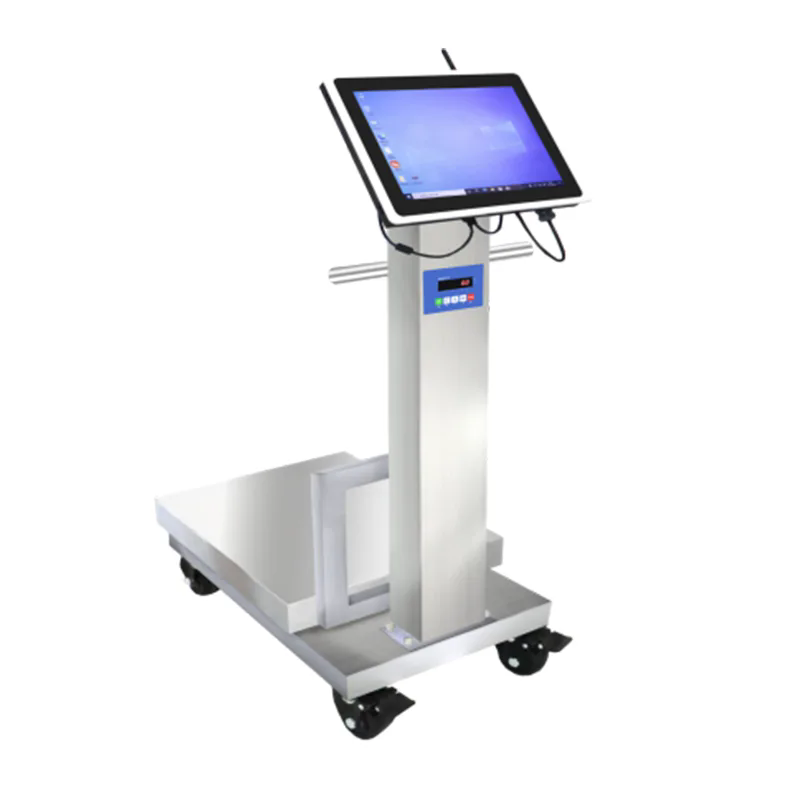
In summary, understanding how often an electronic weighing instrument should be calibrated is vital for maintaining consistent performance and compliance. Through regular calibration, proper maintenance, and the use of reliable instruments from Jiangsu Jutian Weighing Equipment Co., Ltd., you can ensure lasting accuracy and operational efficiency. Our factory is committed to providing advanced Electronic Weighing Instruments and comprehensive calibration support, helping industries achieve precise measurement results every day.
Related News
- Technical Features of Weighing Machines.
- Electronic Table Scale Overview.
- The core reason for the price difference in drum checkweighers.
- What is High Speed Checkweigher: How It Works and Why It Matters in Modern Manufacturing
- How Electronic Table Scale Improves Accuracy and Efficiency in Modern Weighing Operations
- How Does an Electronic Weighbridge Improve Industrial Efficiency?
Leave me a message