English
- English
- Español
- Português
- русский
- Français
- 日本語
- Deutsch
- tiếng Việt
- Italiano
- Nederlands
- ภาษาไทย
- Polski
- 한국어
- Svenska
- magyar
- Malay
- বাংলা ভাষার
- Dansk
- Suomi
- हिन्दी
- Pilipino
- Türkçe
- Gaeilge
- العربية
- Indonesia
- Norsk
- تمل
- český
- ελληνικά
- український
- Javanese
- فارسی
- தமிழ்
- తెలుగు
- नेपाली
- Burmese
- български
- ລາວ
- Latine
- Қазақша
- Euskal
- Azərbaycan
- Slovenský jazyk
- Македонски
- Lietuvos
- Eesti Keel
- Română
- Slovenski
- मराठी
- Srpski језик

How Does an Intelligent Sorting Scale Transform Modern Industrial Sorting Efficiency?
Article Summary: This article explores how an Intelligent Sorting Scale improves operational efficiency, reduces labor costs, and enhances accuracy in industrial sorting environments. It breaks down system components, working principles, benefits, industry applications, and practical selection guidance to help businesses make informed decisions.
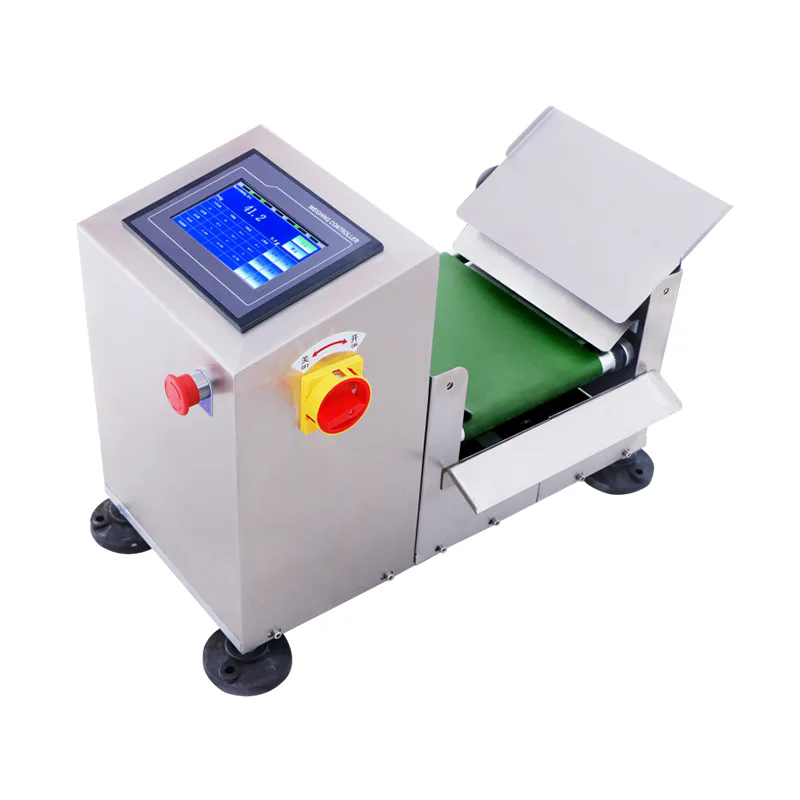
Table of Contents
- 1. Overview of Intelligent Sorting Scale
- 2. How It Works in Real Operations
- 3. Core Components Explained
- 4. Key Benefits for Businesses
- 5. Industry Applications
- 6. Manual Sorting vs Intelligent Sorting Scale
- 7. How to Choose the Right System
- 8. Frequently Asked Questions
1. Overview of Intelligent Sorting Scale
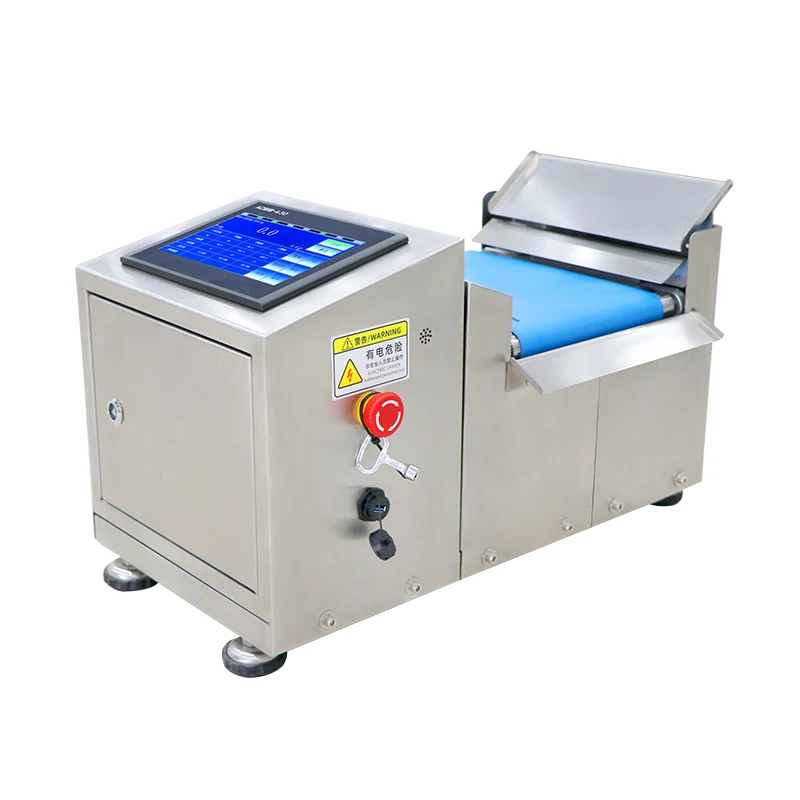
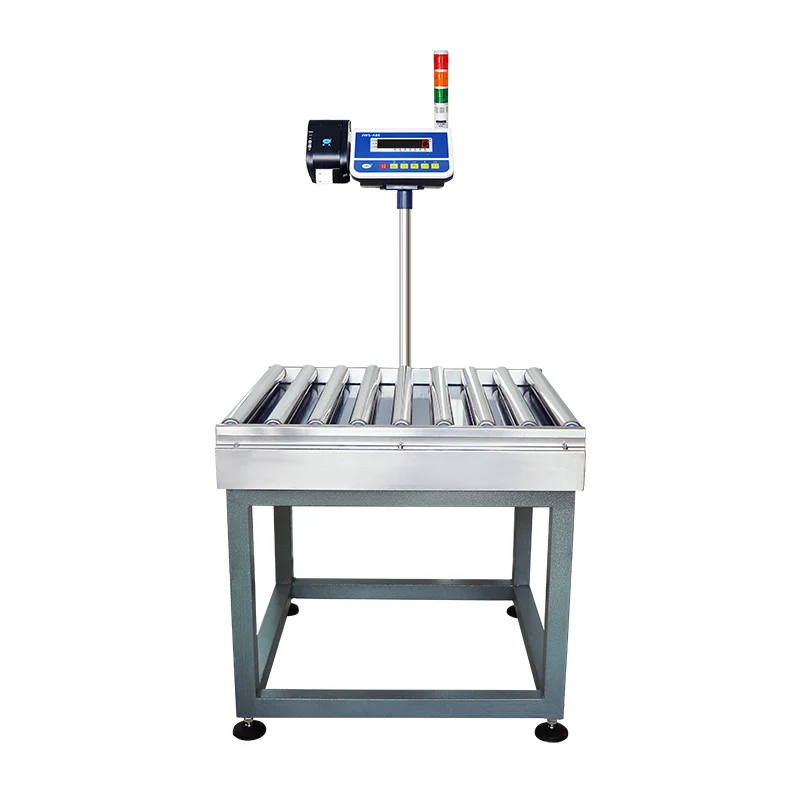
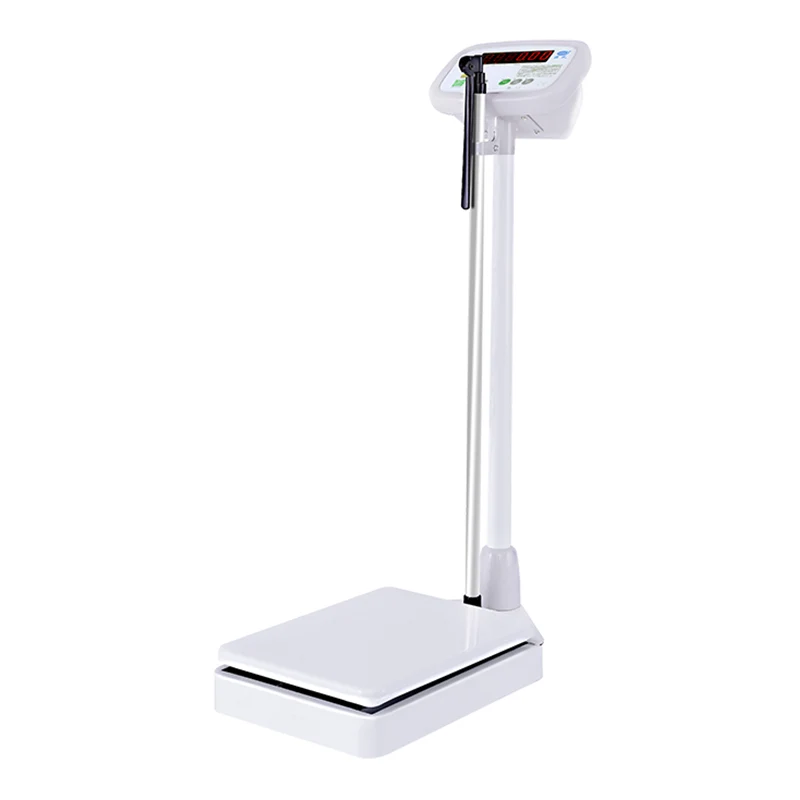
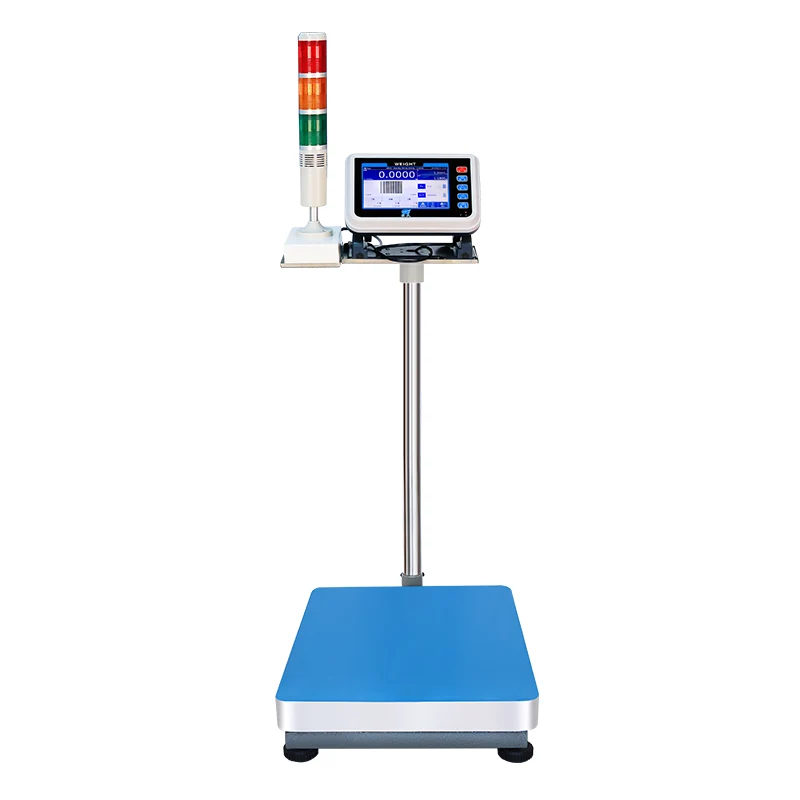
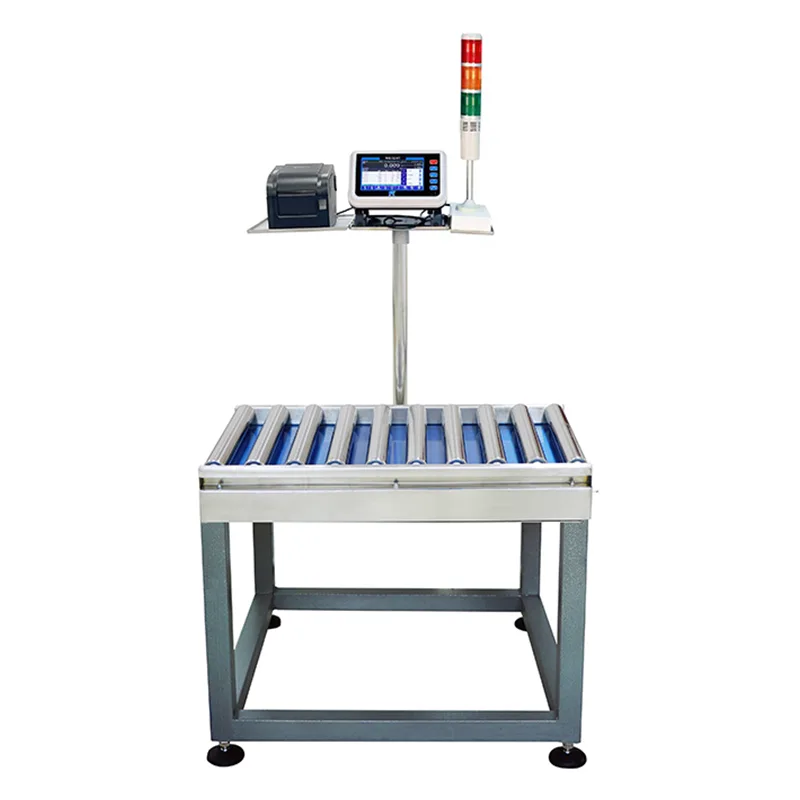
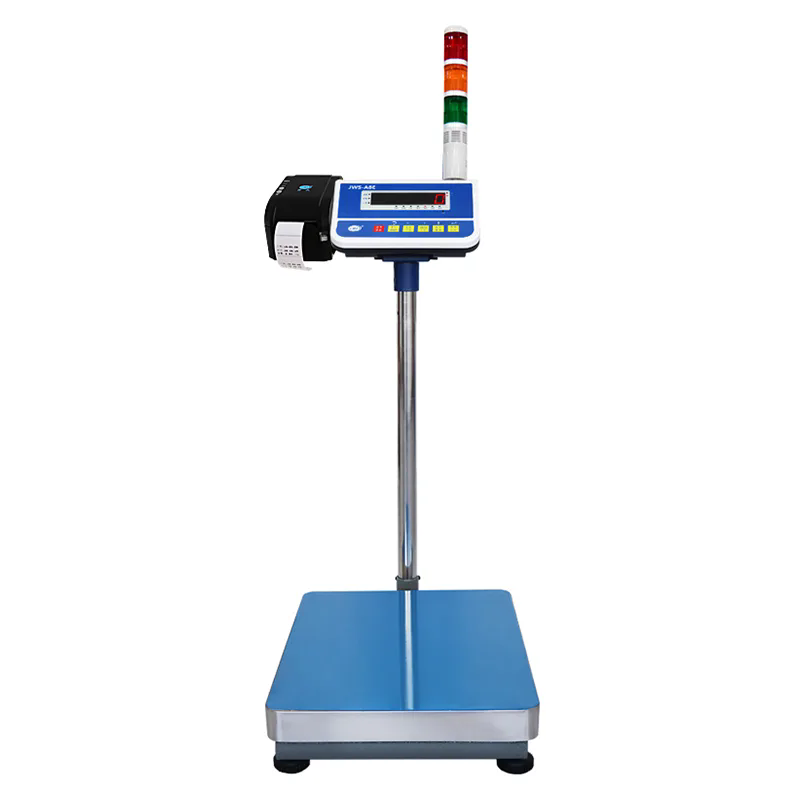
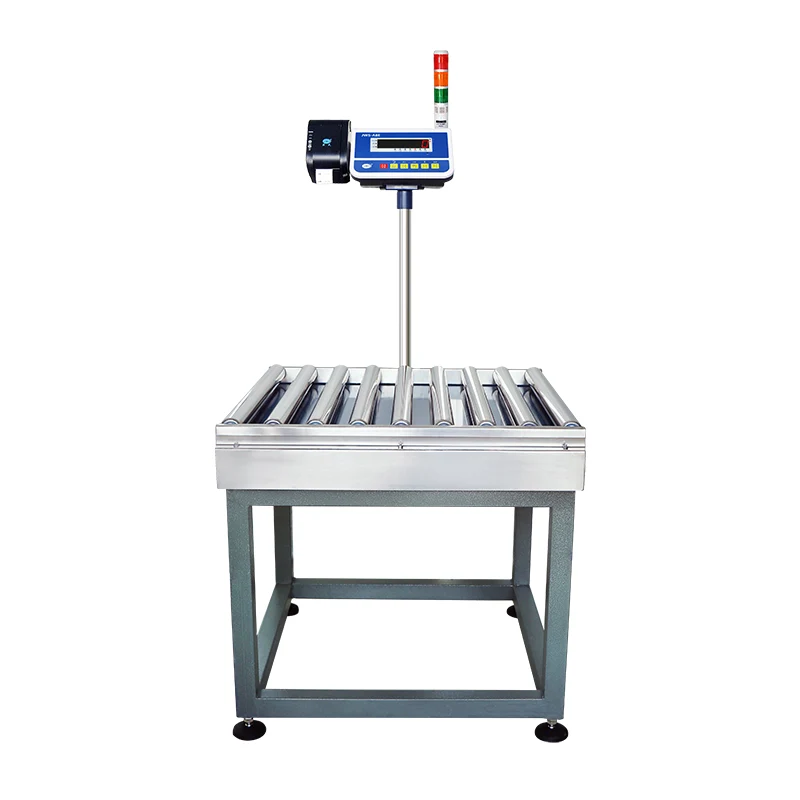
An Intelligent Sorting Scale is an automated weighing and classification system designed to streamline product sorting processes in logistics, warehousing, food processing, and manufacturing environments. Unlike traditional manual sorting methods, this system integrates high-precision weighing sensors, conveyor technology, and intelligent algorithms to classify items based on predefined parameters such as weight, size, category, or destination.
In modern supply chains where speed and accuracy are critical, businesses increasingly rely on systems like those developed by J-Sky to reduce human error and improve throughput consistency.
2. How It Works in Real Operations
The Intelligent Sorting Scale operates through a synchronized automation workflow that combines mechanical movement with digital intelligence. The process typically follows these steps:
- Item Feeding: Products are placed onto a conveyor system.
- Dynamic Weighing: The system captures real-time weight data as items move.
- Data Processing: Embedded software analyzes weight and classification rules.
- Decision Making: The system determines the correct sorting path.
- Automated Sorting: Mechanical diverters or robotic arms direct items to designated bins.
This continuous loop enables high-speed processing without interrupting workflow, making it suitable for large-scale operations.
3. Core Components Explained
The system is built from several integrated modules that work together to ensure precision and reliability:
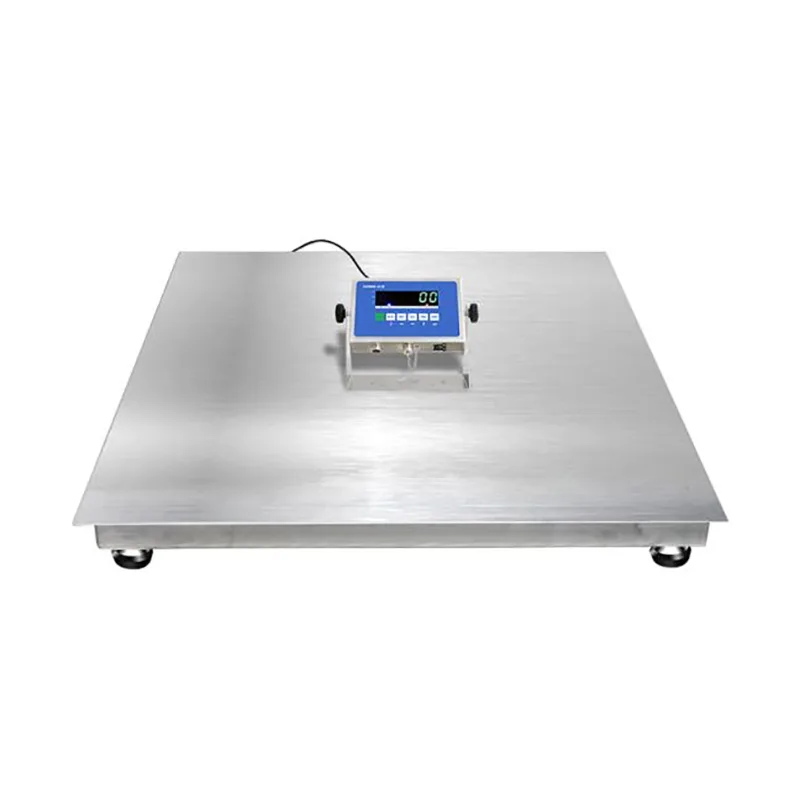
- Weighing Sensor Unit: High-accuracy load cells for real-time measurement.
- Conveyor System: Ensures stable product movement during scanning.
- Control System: Industrial PLC or embedded controller managing logic operations.
- Sorting Mechanism: Pneumatic pushers, diverters, or robotic arms.
- Human-Machine Interface (HMI): Allows operators to configure parameters and monitor performance.
4. Key Benefits for Businesses
Adopting an Intelligent Sorting Scale brings significant operational improvements:
- Higher Accuracy: Eliminates human sorting errors.
- Increased Efficiency: Processes thousands of items per hour.
- Labor Cost Reduction: Minimizes manual handling requirements.
- Data Transparency: Real-time analytics and reporting.
- Scalability: Easily adapts to growing production demands.
For companies handling high-volume logistics, these advantages translate directly into measurable cost savings and improved customer satisfaction.
5. Industry Applications
The versatility of Intelligent Sorting Scale systems allows them to be used across multiple industries:
- E-commerce Logistics: Parcel classification and dispatch sorting.
- Food Processing: Weight-based grading of packaged goods.
- Manufacturing: Component sorting by specification.
- Pharmaceuticals: Precise dosage and packaging verification.
- Warehousing: Inventory organization and distribution optimization.
6. Manual Sorting vs Intelligent Sorting Scale
| Feature | Manual Sorting | Intelligent Sorting Scale |
|---|---|---|
| Accuracy | Prone to human error | High precision automated detection |
| Speed | Limited by workforce capacity | Continuous high-speed operation |
| Cost Efficiency | Higher labor costs | Reduced operational cost over time |
| Data Tracking | Minimal or manual records | Real-time digital analytics |
7. How to Choose the Right System
Selecting the right Intelligent Sorting Scale depends on several operational factors. Businesses should evaluate the following:
- Throughput Requirements: Estimated items per hour.
- Product Characteristics: Size, weight, and packaging type.
- Integration Capability: Compatibility with existing systems.
- Space Availability: Facility layout constraints.
- Maintenance Support: Long-term service and technical assistance.
A tailored solution ensures maximum return on investment and operational stability.
For customized configurations and industrial-grade solutions, J-Sky provides expert system design and implementation support. If you are evaluating automation upgrades, J-Sky – contact us to discuss your requirements and get a tailored solution proposal.
8. Frequently Asked Questions
Q1: What is the main advantage of an Intelligent Sorting Scale?
It significantly improves sorting accuracy and operational speed while reducing labor dependency.
Q2: Can it be integrated with existing production lines?
Yes, most systems are designed for modular integration with existing conveyor and ERP systems.
Q3: Is it suitable for small businesses?
Yes, scalable models are available for both small and large-scale operations.
Q4: How often does maintenance need to be performed?
Routine inspections are recommended, but modern systems are built for long-term stable operation.
Q5: Does it support real-time data monitoring?
Yes, most systems include software dashboards for live tracking and reporting.
The Intelligent Sorting Scale represents a critical advancement in industrial automation, enabling companies to achieve higher throughput with consistent accuracy. By integrating intelligent sensing, real-time decision-making, and automated sorting mechanisms, businesses can significantly improve operational efficiency while reducing long-term costs.
To explore professional-grade sorting solutions tailored to your industry, J-Sky is ready to support your automation journey. J-Sky – contact us today to learn more about system configurations and implementation options.
Related News
- Technical Features of Weighing Machines.
- Electronic Table Scale Overview.
- The core reason for the price difference in drum checkweighers.
- What is High Speed Checkweigher: How It Works and Why It Matters in Modern Manufacturing
- How Electronic Table Scale Improves Accuracy and Efficiency in Modern Weighing Operations
- How Does an Electronic Weighbridge Improve Industrial Efficiency?
Leave me a message