English
- English
- Español
- Português
- русский
- Français
- 日本語
- Deutsch
- tiếng Việt
- Italiano
- Nederlands
- ภาษาไทย
- Polski
- 한국어
- Svenska
- magyar
- Malay
- বাংলা ভাষার
- Dansk
- Suomi
- हिन्दी
- Pilipino
- Türkçe
- Gaeilge
- العربية
- Indonesia
- Norsk
- تمل
- český
- ελληνικά
- український
- Javanese
- فارسی
- தமிழ்
- తెలుగు
- नेपाली
- Burmese
- български
- ລາວ
- Latine
- Қазақша
- Euskal
- Azərbaycan
- Slovenský jazyk
- Македонски
- Lietuvos
- Eesti Keel
- Română
- Slovenski
- मराठी
- Srpski језик
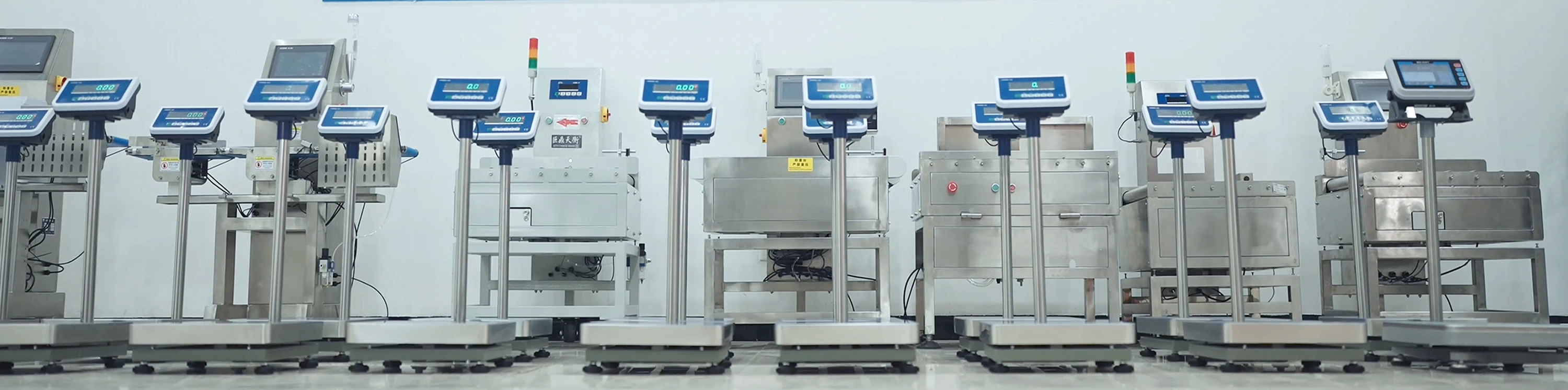
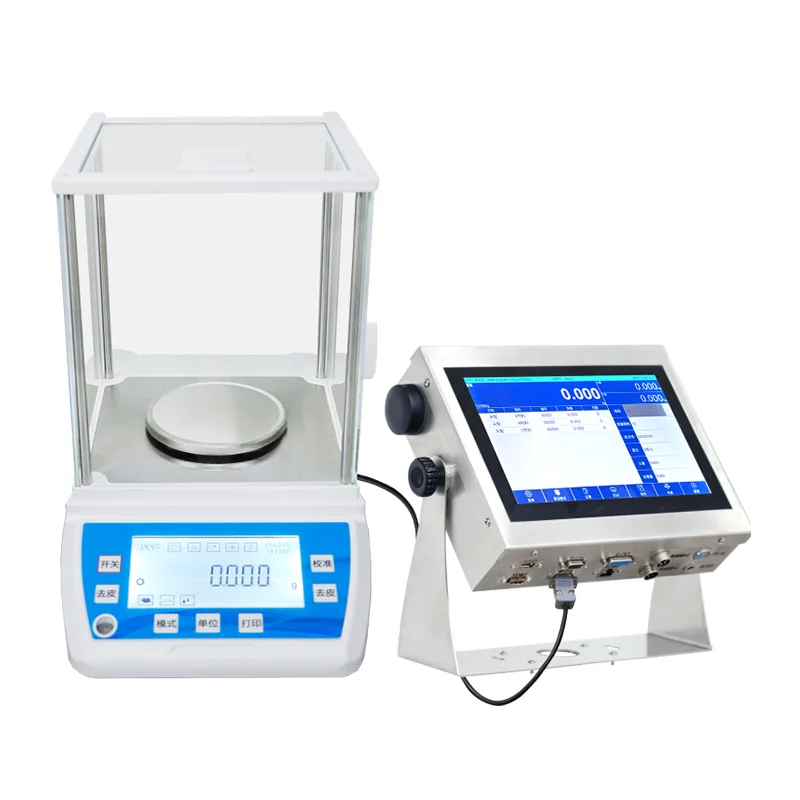
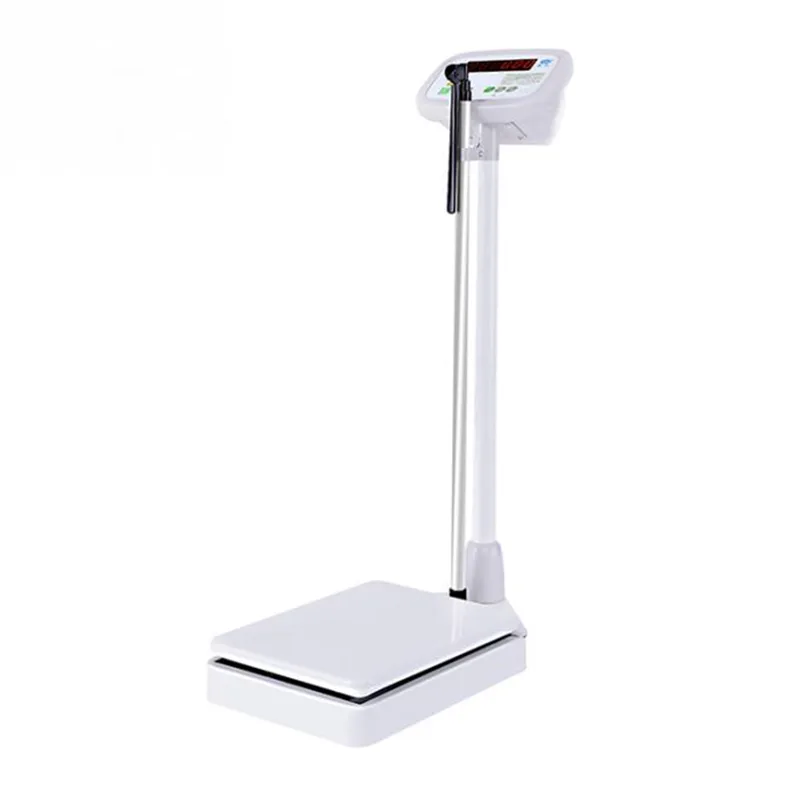
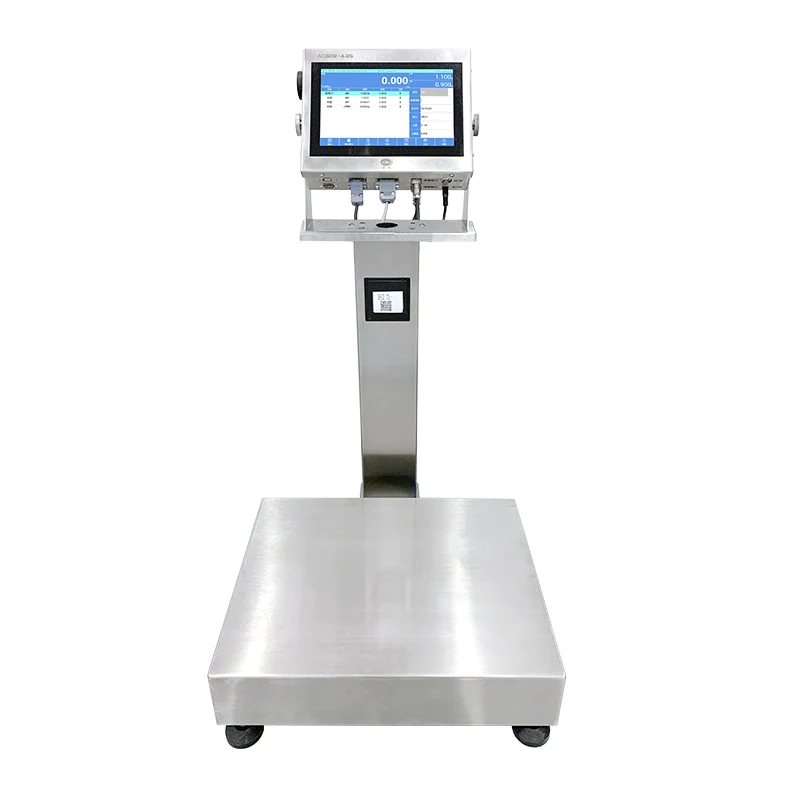
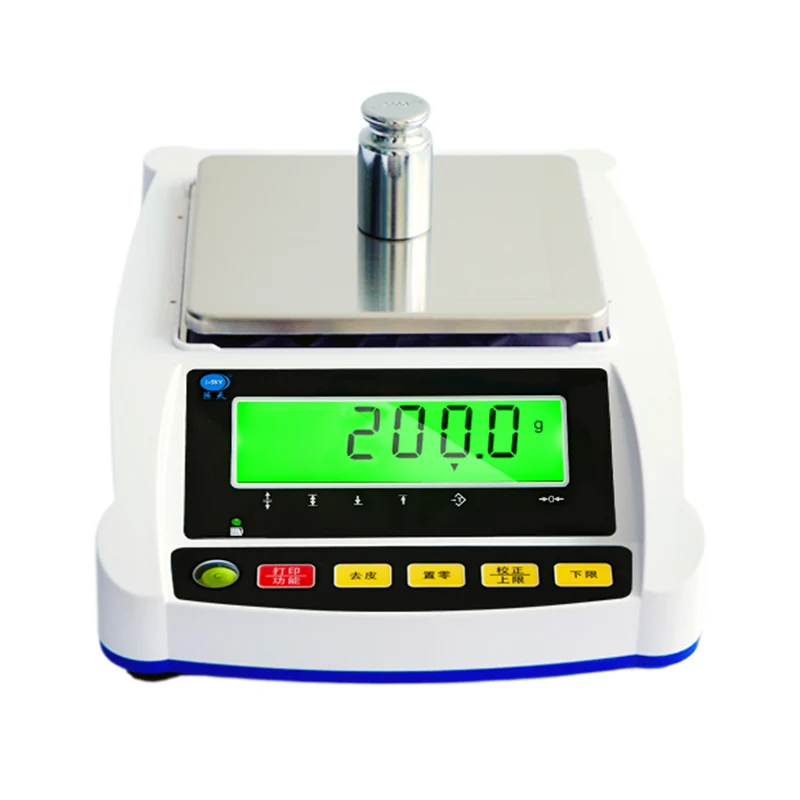
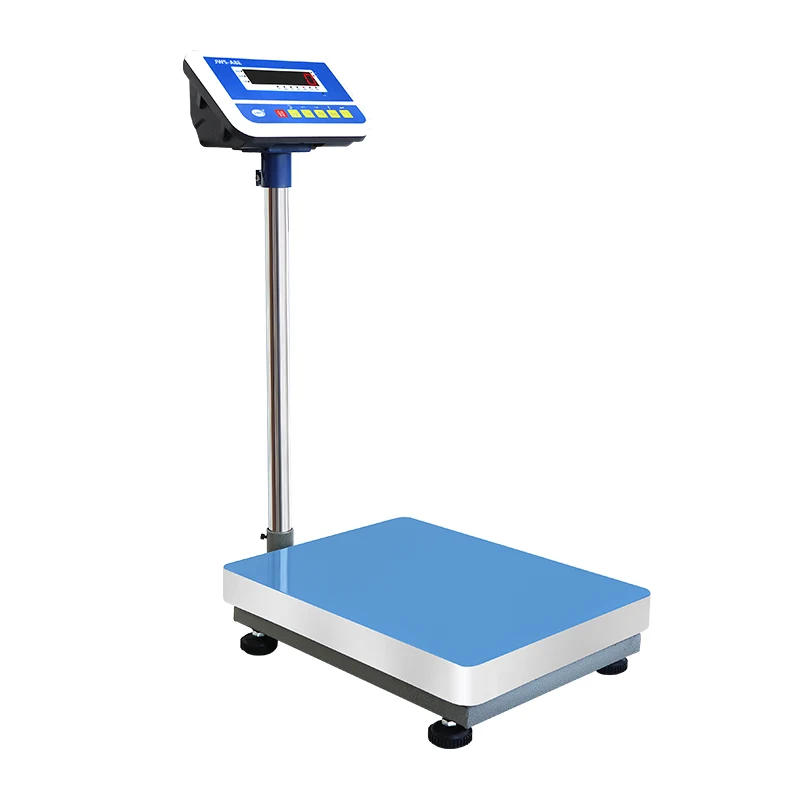
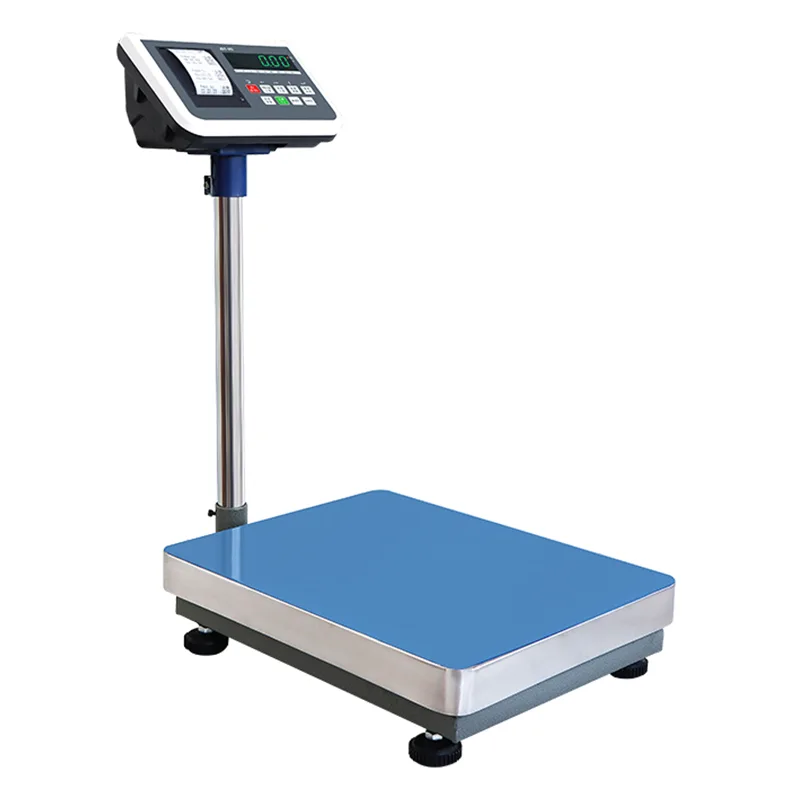
Electronic Platform Scale with Built-in Label Printing Function
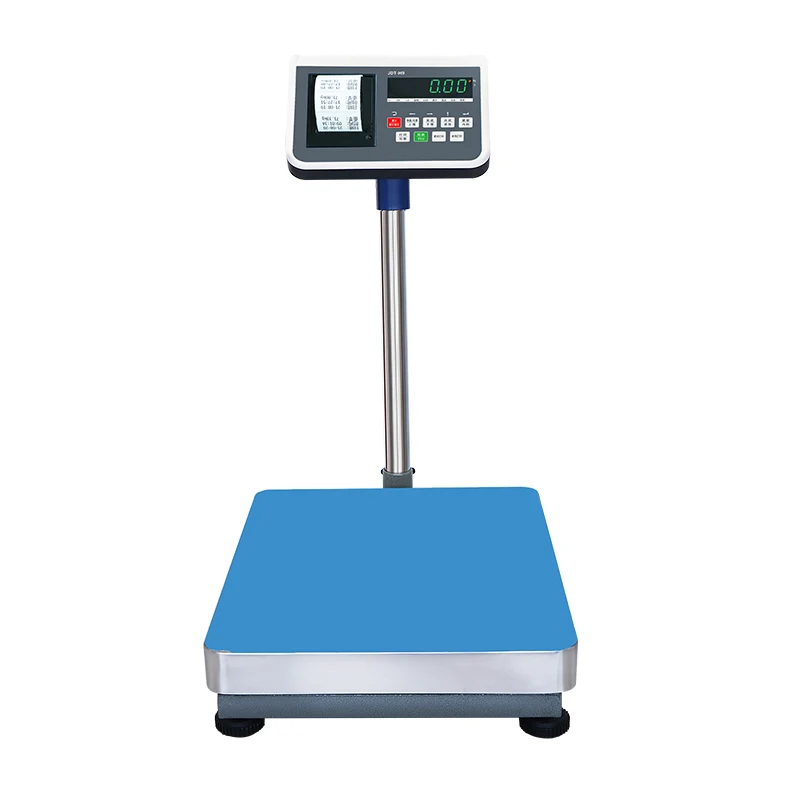
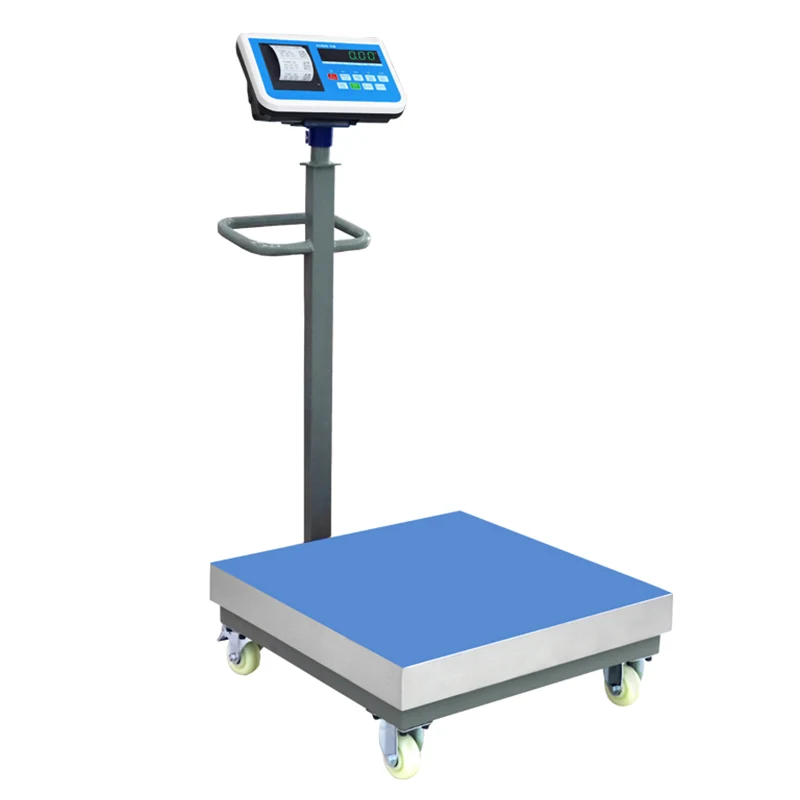
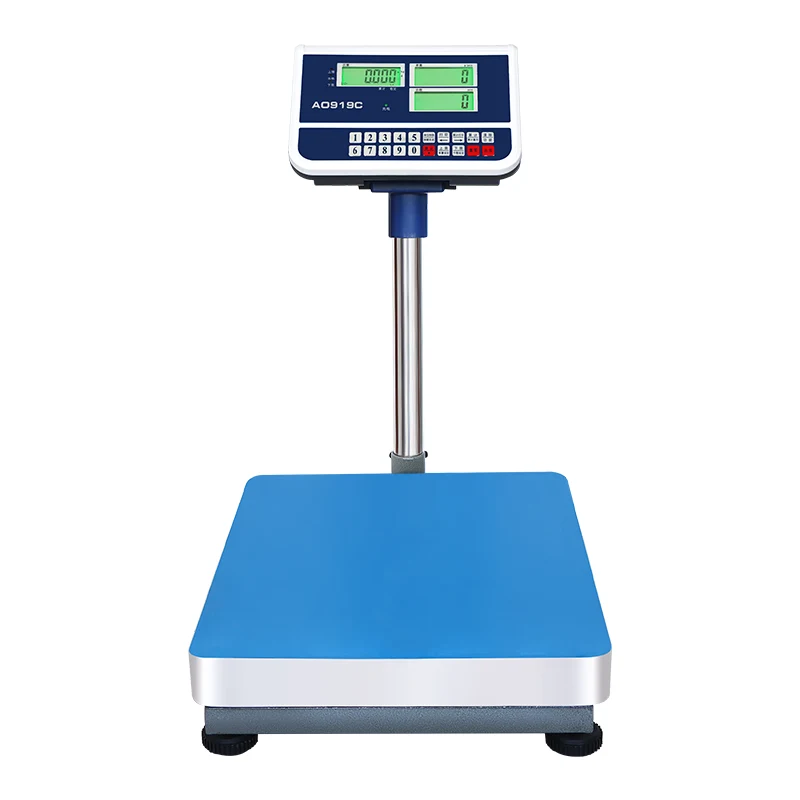
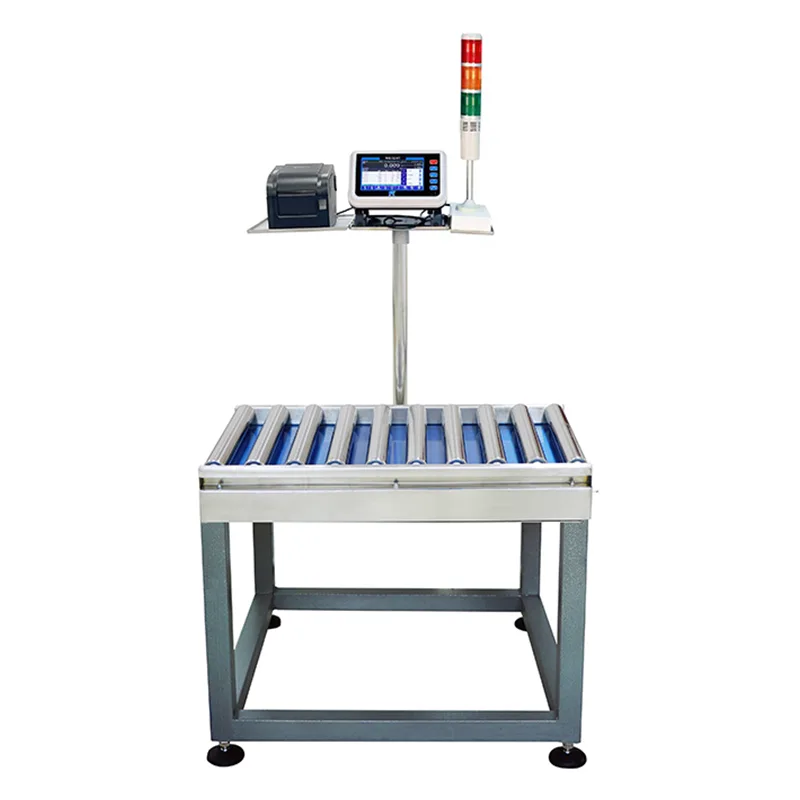
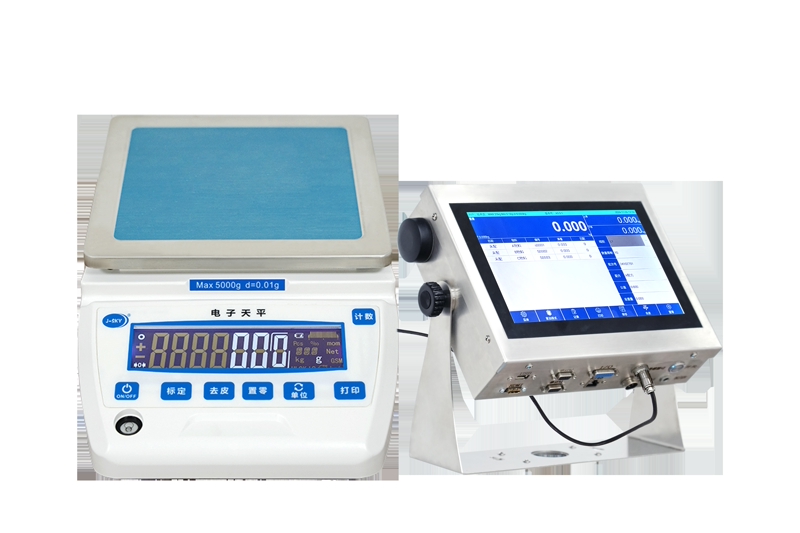
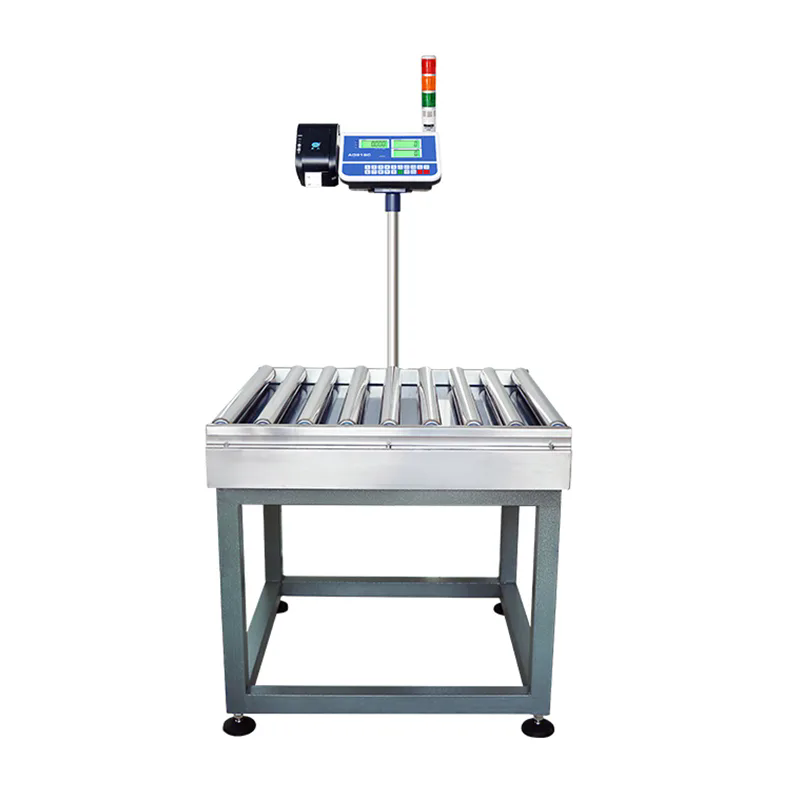
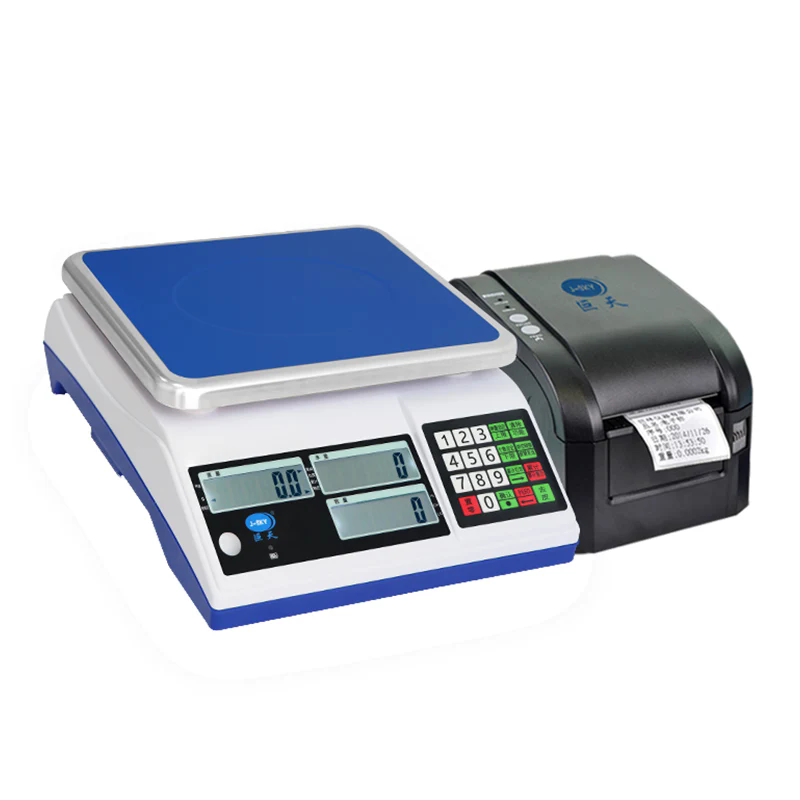
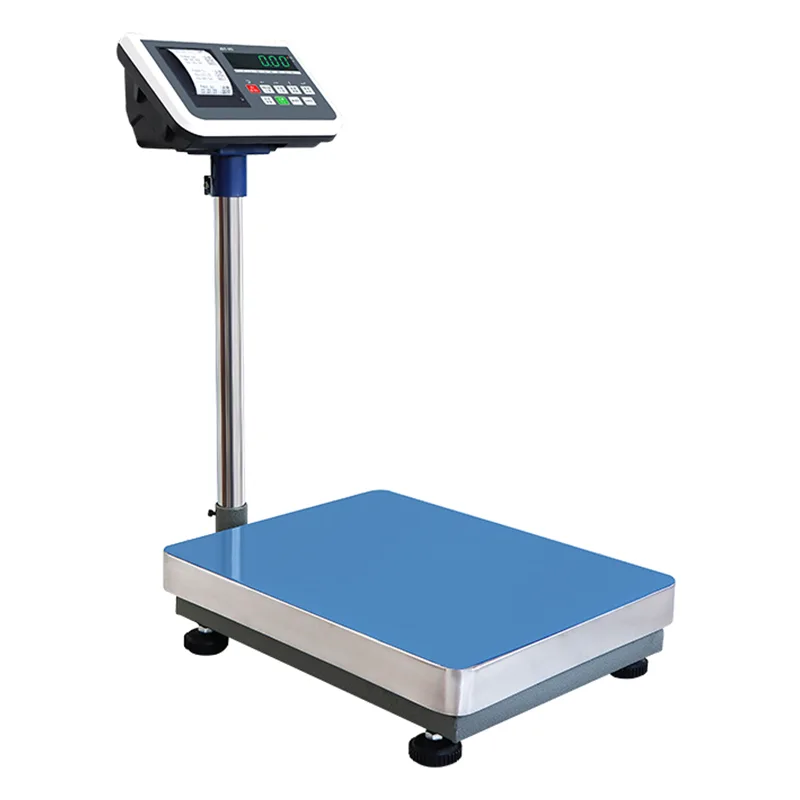
J-SKY’s Electronic Platform Scale with Built-in Label Printing Function features a built-in label printing function, capable of printing adhesive labels according to customer requirements, with fully customizable print content. It boasts comprehensive functions and can be expanded with alarm lights, large displays, dual printing, and other features. As the source manufacturer of electronic platform scales with built-in label printing, Jutian offers in-stock fast delivery, preferential prices for bulk purchases, and supports multi-function customization.
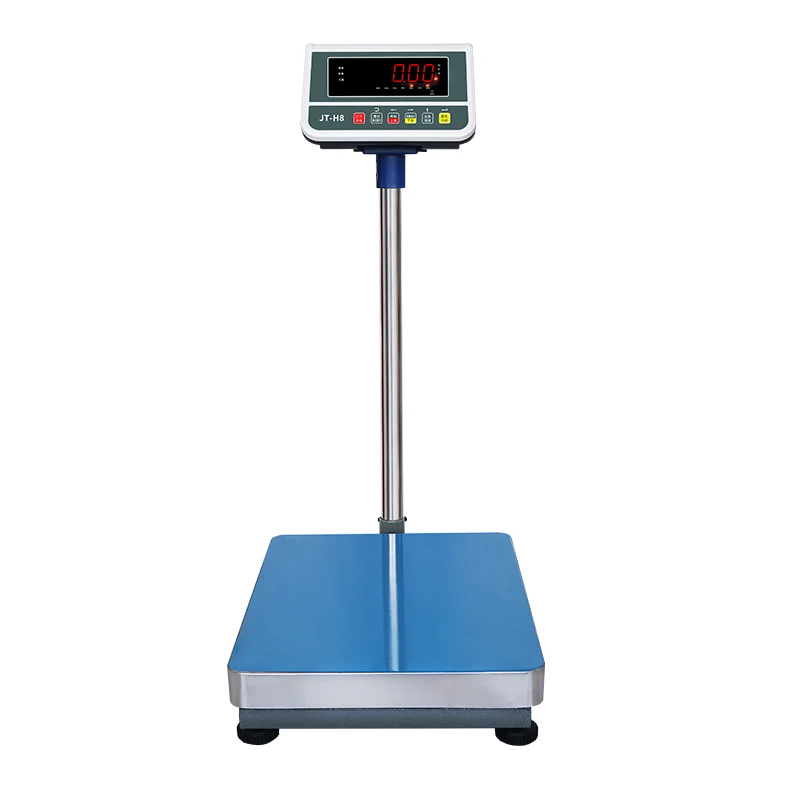
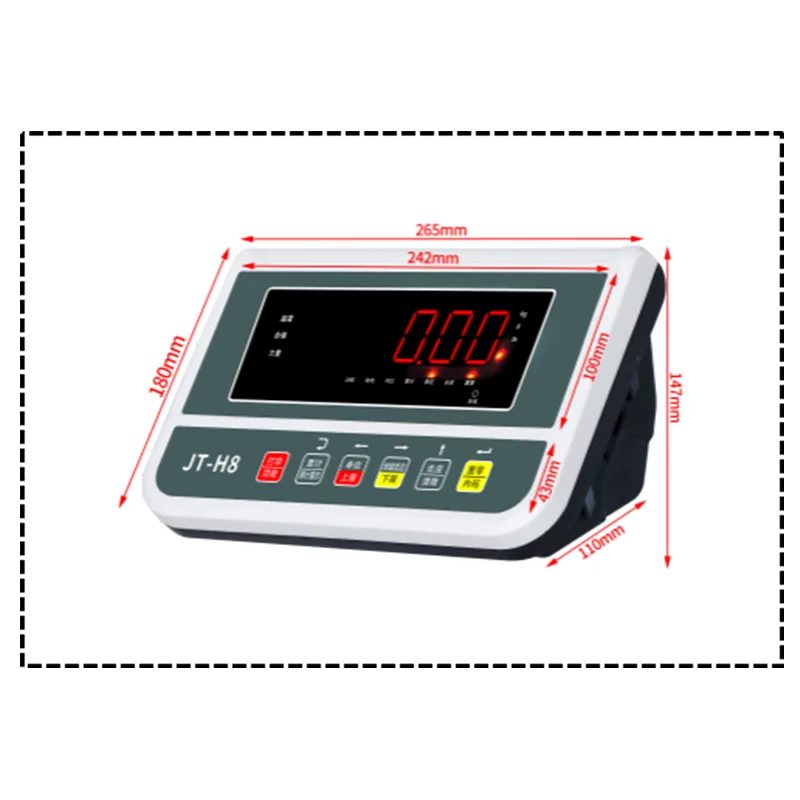
The Electronic Platform Scale with Built-in Label Printing Function (JDT-JT-H8 Series) is a stationary weighing and printing workstation manufactured by Jiangsu Jutian Weighing Equipment Co., Ltd. It combines a rigid welded steel platform, strain gauge load cells, an LED digital indicator, and an integrated thermal printer within a single unit. The equipment is designed for workstations where items are weighed and a printed record—such as a weight ticket, shipping label, or inspection receipt—must be generated immediately at the point of measurement.
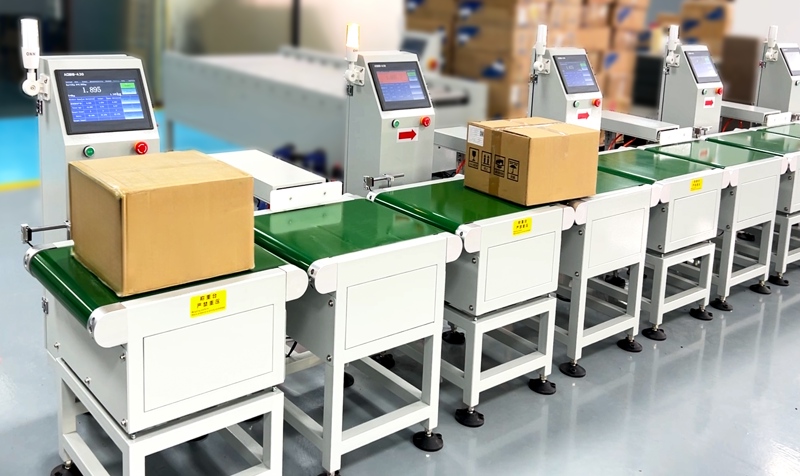
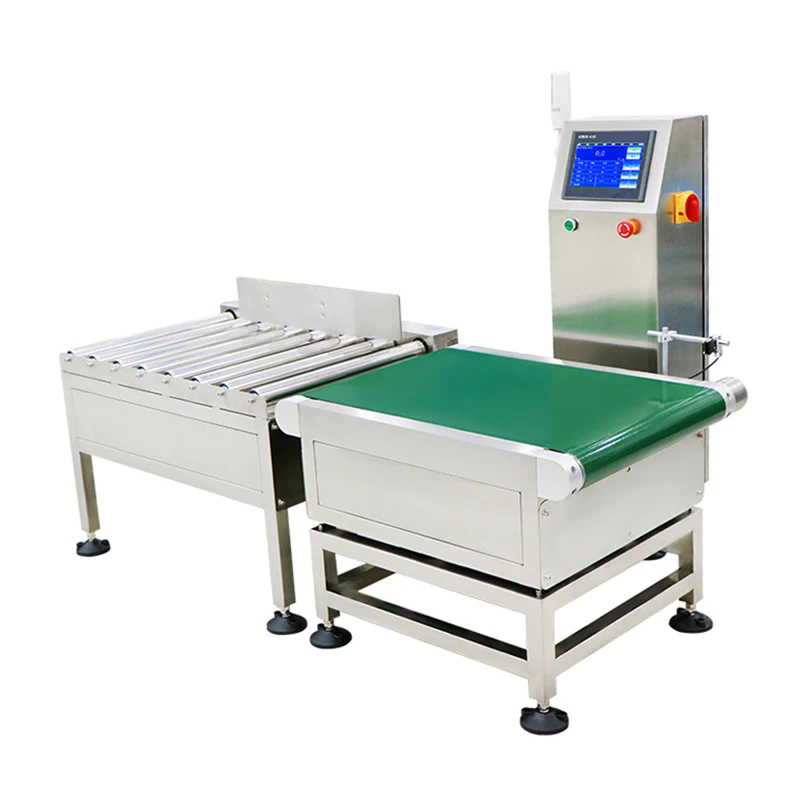
Unlike checkweighers that operate on moving production lines, the H8 Series platform scale measures static weight after the item is placed on the pan and the reading stabilizes. Printing is triggered manually by the operator or automatically upon weight stabilization, depending on the configured mode. The equipment is suited to receiving docks, shipping bays, production floor checkpoints, and quality sampling stations.
Model Specifications
|
Model |
Maximum Capacity |
Readability |
Platform Size |
|
JDT-JT-H8 |
20 / 30 / 50 / 60 kg |
1 / 2 / 5 g |
300 × 400 mm |
|
JDT-JT-H8 |
50 / 60 / 75 / 100 / 150 kg |
2 / 5 / 10 g |
400 × 500 mm |
|
JDT-JT-H8 |
150 / 200 / 300 kg |
10 / 20 / 50 g |
450 × 600 mm |
|
JDT-JT-H8 |
300 / 500 / 600 kg |
50 / 100 / 200 g |
600 × 800 mm |
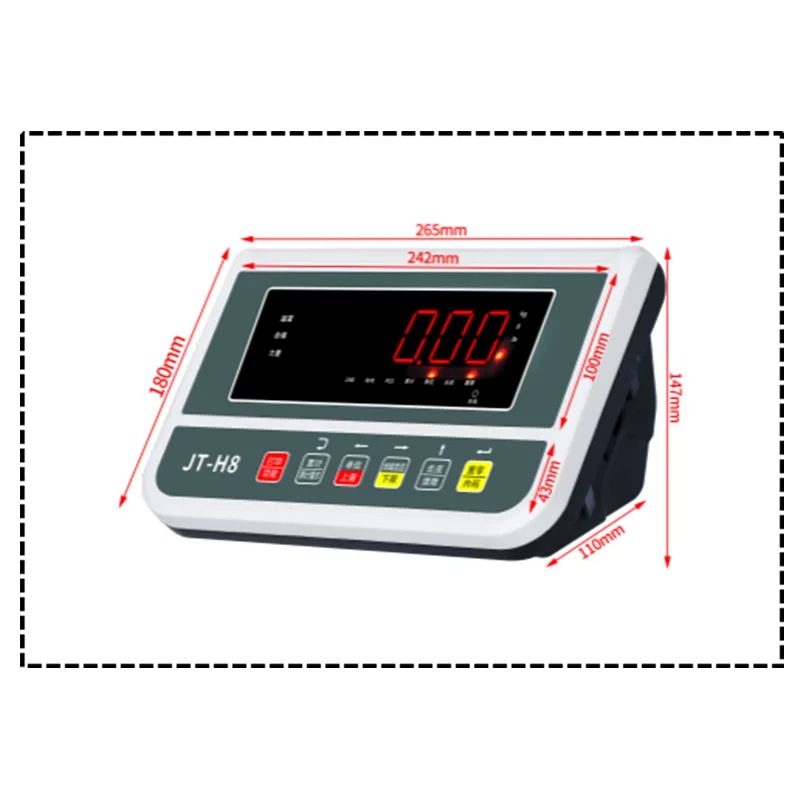
Common specifications: Display: 32 mm-high LED digital tube display; Units: kg / g / lb (freely switchable); Indicator housing: ABS plastic casing with 6 mechanical keys; Power supply: AC 220V with built-in 6V 4A rechargeable battery (AC/DC dual-use); Basic functions: zero reset, tare, gross/net weight, accumulation, built-in alarm, weight memory, power-saving mode; Optional communication: RS232, RS485, Bluetooth, TTL, Ethernet, Wi-Fi, 4G IoT, USB storage, relay output, 5V I/O output, 4-20mA analog output; Optional accessories: tri-color alarm light, external printer, large display, barcode scanner. Platform dimensions and materials are configurable.
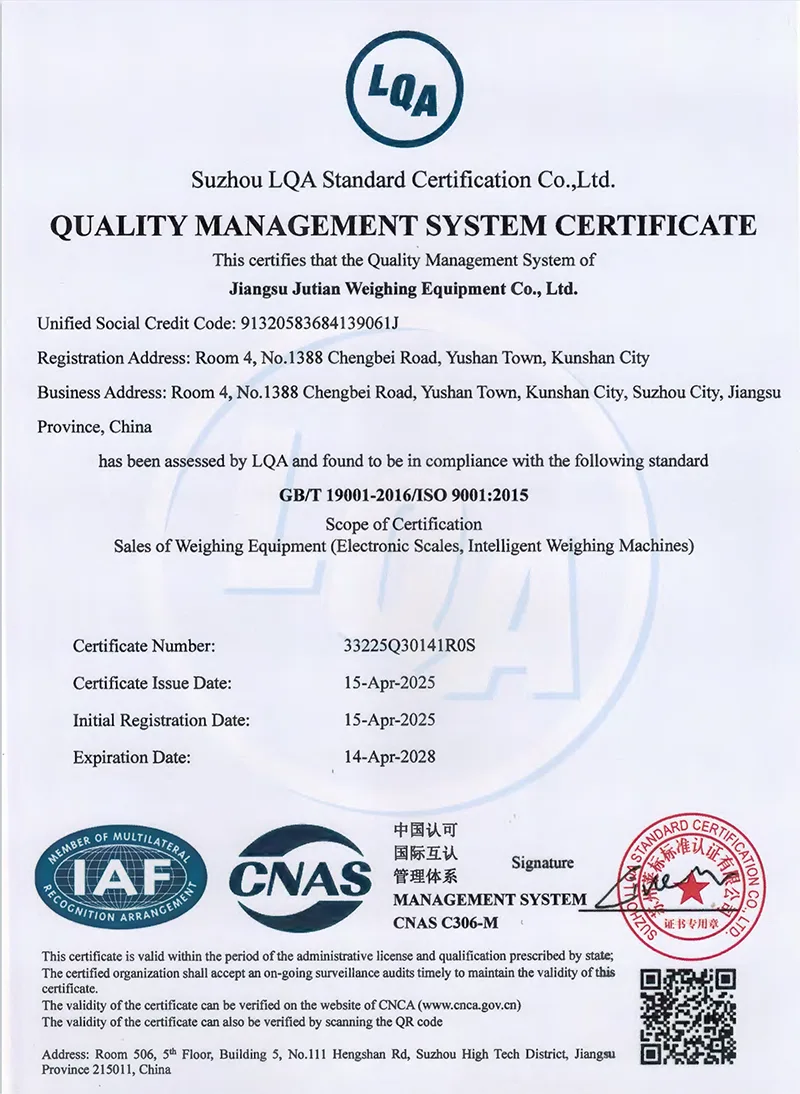
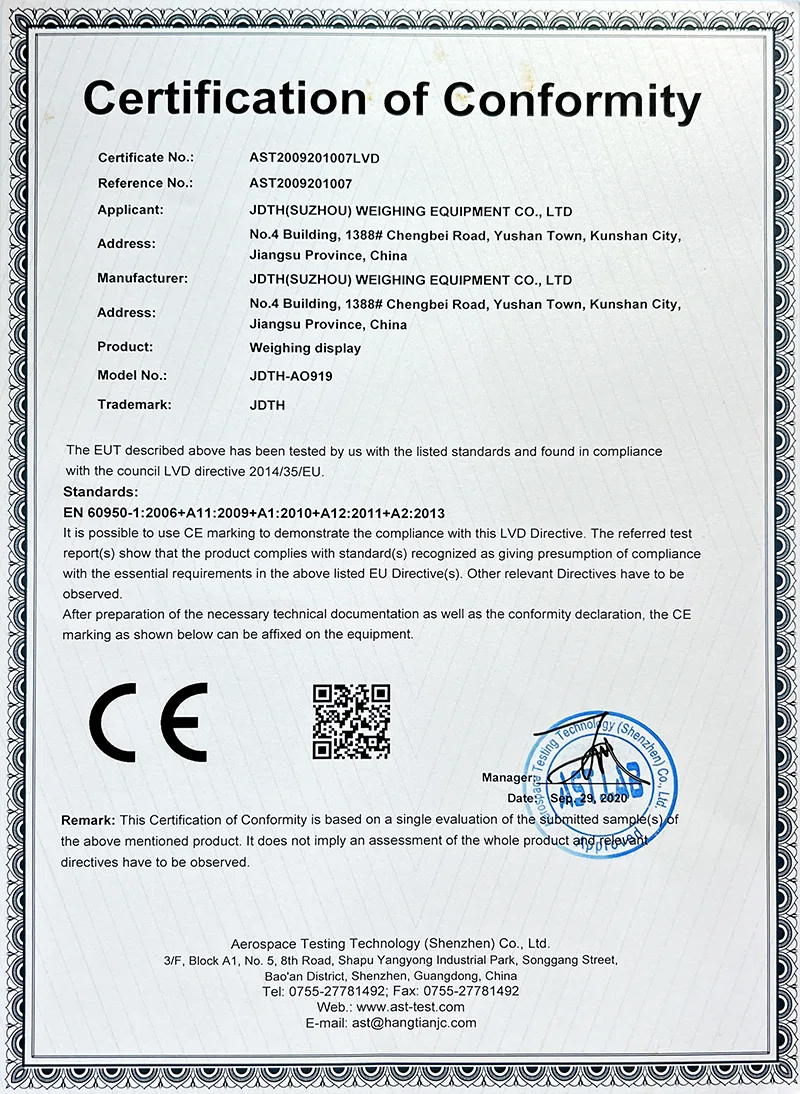
Jiangsu Jutian Weighing Equipment Co., Ltd. has been specialized in weighing instrumentation for over 20 years, holding ISO9001 quality management certification and CE product certification. The company's 919 R&D Center has developed 68 national patents and 20 software copyrights. Manufacturing is conducted in two facilities with standardized procedures covering steel frame welding, load cell calibration, and final functional testing. Non-standard platform sizes, frame materials, and software configurations are supported.
Platform Construction and Load Cell Integration
The weighing platform frame is fabricated from carbon steel sections, assembled by continuous welding at all structural joints. After welding, the frame undergoes surface preparation and a baked enamel paint finish for corrosion protection in indoor industrial environments. The weighing pan is constructed from stainless steel, providing a durable, easy-to-clean surface in direct contact with weighed items.
For facilities with specific environmental requirements, alternative frame materials can be specified at the time of ordering. Full 304 stainless steel frame construction is available for washdown environments, food processing areas, or locations with high humidity exposure. For chemical processing or marine atmosphere applications, 316 stainless steel can be specified for enhanced pitting and crevice corrosion resistance.
The load cells are strain gauge type, configured in a multi-point arrangement beneath the platform to provide stable weight readings regardless of load position within the platform area. Load cell capacity is matched to the rated platform capacity with an appropriate design margin to accommodate brief overload conditions encountered in industrial use. The load cell signal cables are routed through sealed conduits to the indicator housing.
Power Supply Design and Dual-Mode Operation
The scale operates from AC mains power (220V) under normal conditions, with a built-in 6V 4A rechargeable battery providing backup and cordless operation capability. The dual-power architecture serves several practical functions in industrial environments. The battery charges automatically when the scale is connected to AC power and provides operational time sufficient for a full working shift under typical usage patterns.
Cordless operation allows the scale to be positioned at locations where power outlets are not immediately accessible—such as temporary inspection stations, loading dock areas, or outdoor receiving points under shelter. The battery also maintains operation during brief power interruptions, preventing data loss during weighing transactions. A low-battery indicator on the LED display alerts the operator when recharging is required. The power-saving mode reduces display brightness and processor activity during idle periods to extend battery runtime.
Printing Workflow and Operational Modes
The built-in thermal printer accepts standard thermal paper rolls or adhesive label stock. Printing is initiated by the operator through a dedicated key on the indicator membrane keypad or configured to trigger automatically when a stable weight reading is obtained and the weight exceeds a minimum threshold. The print content is configurable and can include the weight value (net or gross), unit of measurement, date and time, sequential ticket number, and user-defined header text.
The indicator provides core weighing functions including zero reset, manual and preset tare, gross/net weight display switching, and weight accumulation for multi-item batching. The built-in alarm function supports upper and lower weight limit settings with audible alert when the measured weight falls outside the acceptable range. Weight memory retains last weight and accumulation totals through power cycles.
Typical Deployment Locations
|
Location |
Primary Use |
|
Shipping and receiving docks |
Weigh incoming materials and outgoing shipments; print weight tickets for carrier documentation and billing |
|
Production floor checkpoints |
Verify component and subassembly weights at quality control stations; print inspection labels for traceability |
|
Parts processing workshops |
Weigh raw materials and finished parts; print batch labels with weight data for inventory tracking |
|
Courier and freight stations |
Weigh parcels and pallets; print shipping labels with weight and freight charge information |
|
Warehouse inventory zones |
Cycle counting by weight; print count labels for bin location identification |
FAQ (Frequently Asked Questions)
What is the difference between carbon steel and stainless steel platform construction?
Carbon steel with baked enamel finish provides structural strength for standard indoor industrial environments. The paint finish protects against atmospheric corrosion but can be damaged by impact or harsh chemicals. Stainless steel 304 provides inherent corrosion resistance throughout the material thickness and is recommended for food processing, pharmaceutical, chemical, or humid environments. Stainless steel 316 offers additional resistance to chlorides and is suitable for marine or chemical processing atmospheres.
How long does the battery last during cordless operation?
Battery runtime depends on usage frequency, display brightness, and whether the printer is used continuously. Under typical intermittent use with moderate printing, the battery supports a full working shift. Continuous printing of large batches will reduce runtime. The low-battery indicator provides advance warning before automatic shutdown. Full recharge from AC power requires several hours.
Can the printing function be triggered automatically when an item is placed on the scale?
The scale can be configured to print automatically when the weight reading stabilizes and exceeds a pre-set minimum threshold. This auto-print mode is suitable for repetitive weighing of similar items where manual keypress is not required. For applications requiring operator verification before printing, manual trigger mode is also available.
What communication interfaces are available for connecting the scale to a computer or network?
Optional interfaces include RS232, RS485, Bluetooth, TTL, Ethernet, Wi-Fi, and 4G IoT. These support weight data transmission to a connected PC, PLC, or host system. The specific data format and transmission protocol are configured to match the receiving system. USB storage allows batch export of weight records for offline analysis.
How is the scale calibrated after installation or relocation?
Calibration is performed using certified test weights appropriate to the platform capacity. The procedure—single-point or multi-point—is accessed through the indicator keypad following the calibration menu in the user manual. For capacities of several hundred kilograms, multiple calibration points across the range are recommended to verify linearity. Calibration verification at regular intervals is recommended as part of the facility's quality system.
Hot Tags: Electronic Platform Scale with Built-in Label Printing Function, Manufacturer, Supplier, Factory
Send Inquiry
Contact Info
-
Address
Building 4, 1388# Chengbei Road, Yushan Town, Kunshan City, Jiangsu Province, China
-
Tel
-
Email
If you have any enquiry about quotation or cooperation, please feel free to email us at JDTH919@j-sky.cn or use the following inquiry form. Our sales representative will contact you within 24 hours. Thank you for your interest in our products.