English
- English
- Español
- Português
- русский
- Français
- 日本語
- Deutsch
- tiếng Việt
- Italiano
- Nederlands
- ภาษาไทย
- Polski
- 한국어
- Svenska
- magyar
- Malay
- বাংলা ভাষার
- Dansk
- Suomi
- हिन्दी
- Pilipino
- Türkçe
- Gaeilge
- العربية
- Indonesia
- Norsk
- تمل
- český
- ελληνικά
- український
- Javanese
- فارسی
- தமிழ்
- తెలుగు
- नेपाली
- Burmese
- български
- ລາວ
- Latine
- Қазақша
- Euskal
- Azərbaycan
- Slovenský jazyk
- Македонски
- Lietuvos
- Eesti Keel
- Română
- Slovenski
- मराठी
- Srpski језик

How Does a Sorting Machine Improve Industrial Efficiency and Accuracy?
A sorting machine plays a critical role in modern industrial automation by improving accuracy, speed, and consistency in material handling and product classification. From logistics and manufacturing to agriculture and recycling, sorting machines help businesses reduce labor costs, minimize errors, and achieve scalable growth. This comprehensive guide explores how sorting machines work, the different types available, their real-world applications, key technical parameters, and how to choose the right system for your operation. The article also highlights the expertise of Jiangsu Jutian Weighing Equipment Co., Ltd. in delivering advanced and reliable sorting solutions.
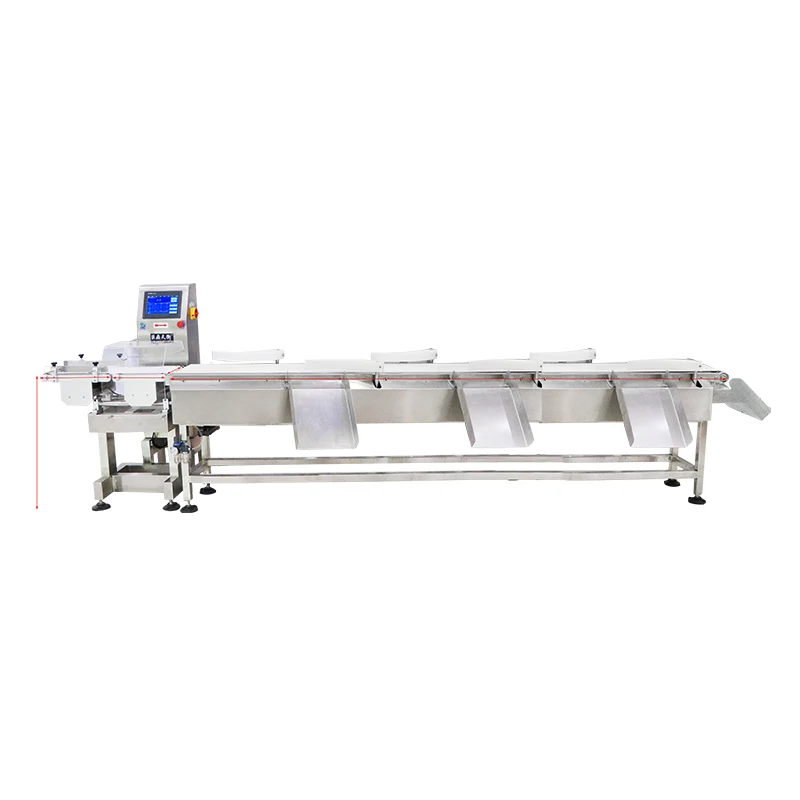
Table of Contents
- What Is a Sorting Machine?
- How Does a Sorting Machine Work?
- Why Is a Sorting Machine Important in Industry?
- Which Types of Sorting Machines Are Commonly Used?
- Where Are Sorting Machines Used?
- What Are the Key Technical Parameters of a Sorting Machine?
- How to Choose the Right Sorting Machine?
- Why Choose Jiangsu Jutian Weighing Equipment Co., Ltd.?
- Sorting Machine FAQ
- References
What Is a Sorting Machine?
A sorting machine is an automated or semi-automated system designed to classify, separate, and organize products or materials based on predefined criteria such as weight, size, color, shape, barcode, or material composition. Unlike manual sorting, a sorting machine delivers consistent results at high speed while significantly reducing human error.
In modern factories and logistics centers, sorting machines have become essential equipment for achieving standardized workflows and meeting increasing production demands.
How Does a Sorting Machine Work?
Although designs vary, the working principle of a sorting machine generally follows a structured process:
- Material feeding through conveyors or vibration systems
- Detection using sensors such as load cells, cameras, or optical scanners
- Data processing via control systems or industrial PLCs
- Automated separation using air jets, pushers, diverters, or robotic arms
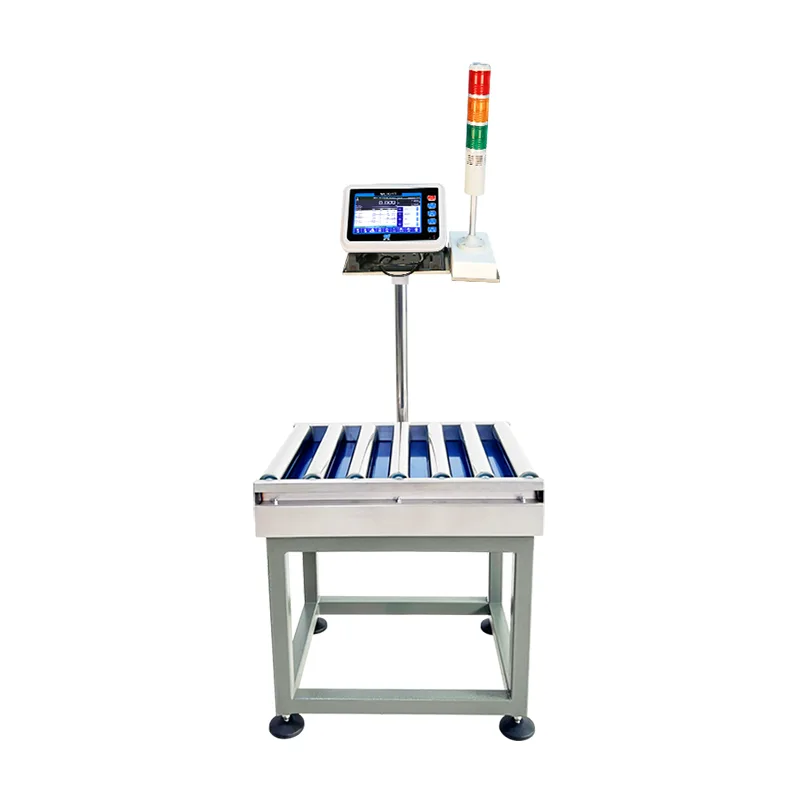
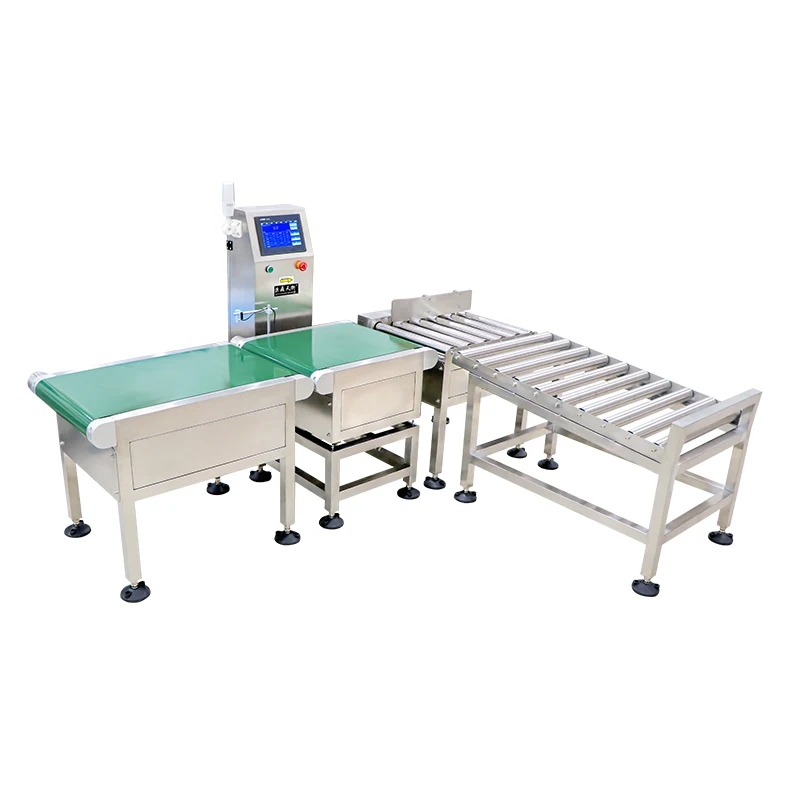
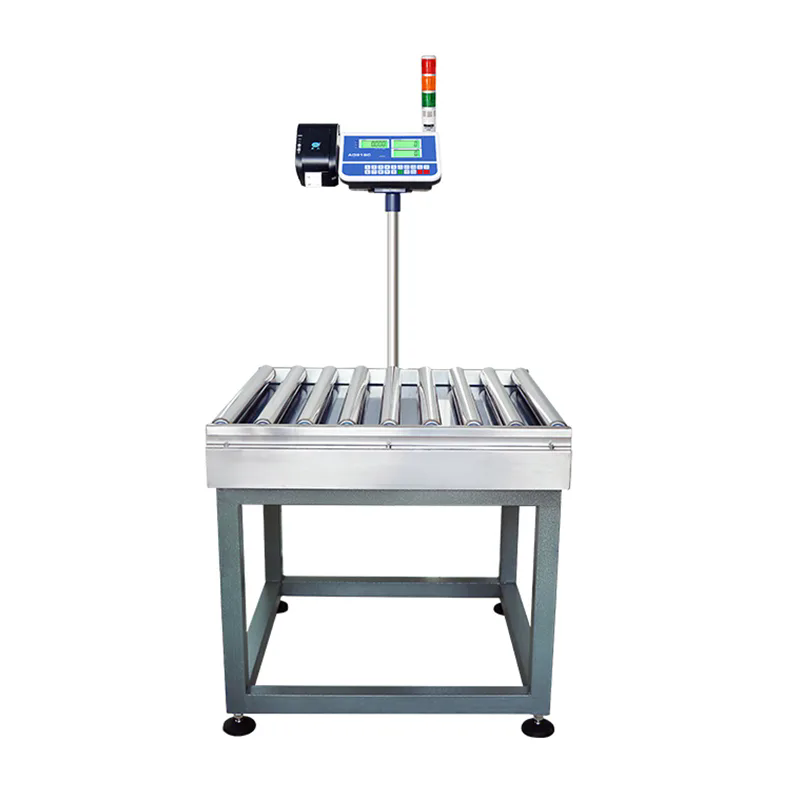
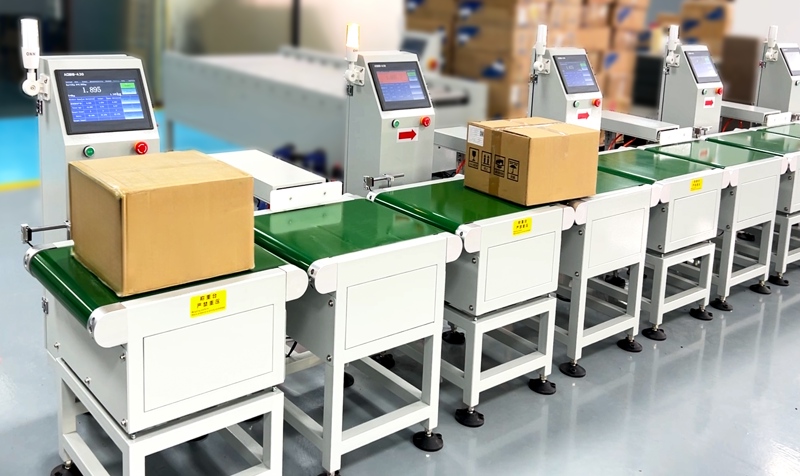
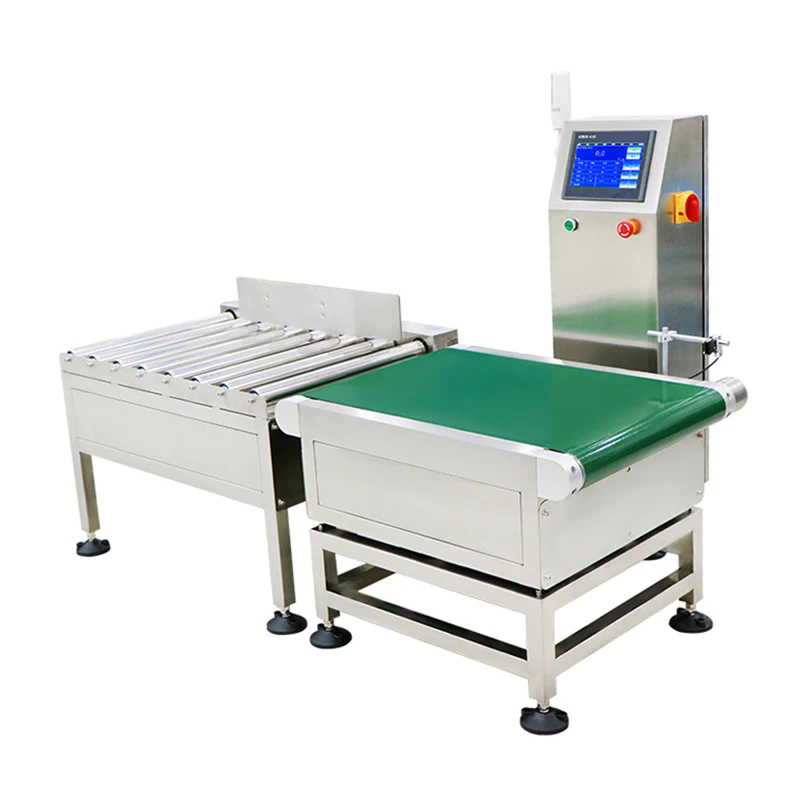
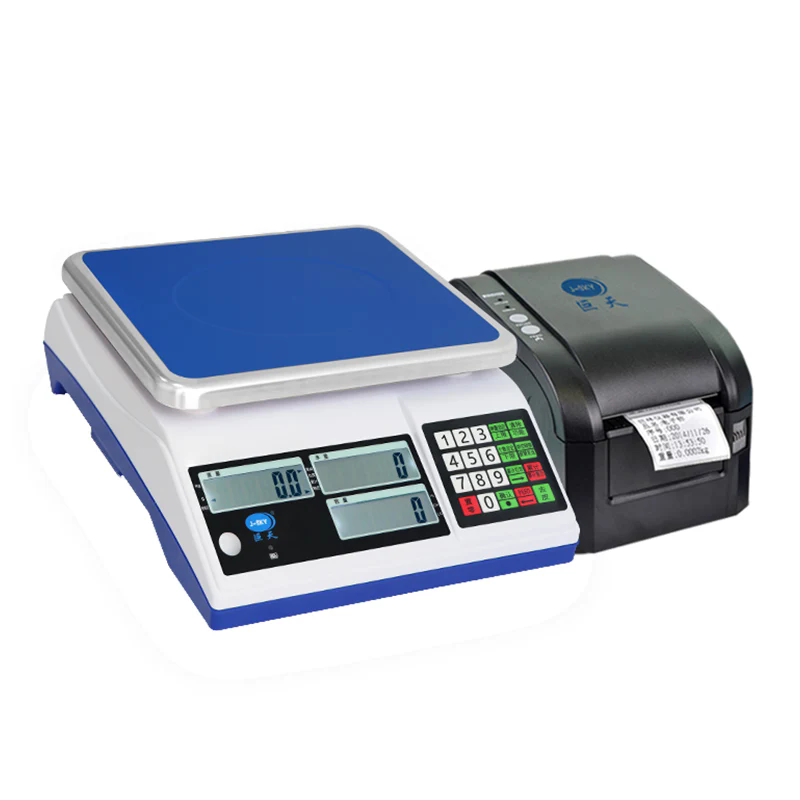
For example, a weight-based sorting machine identifies products outside a defined tolerance and automatically directs them to designated channels.
Why Is a Sorting Machine Important in Industry?
Sorting machines are vital for maintaining efficiency and quality control in high-volume operations. Their importance can be summarized as follows:
- Improved productivity through continuous operation
- Higher accuracy compared to manual sorting
- Reduced labor and operational costs
- Enhanced product consistency and customer satisfaction
- Better compliance with industrial standards
In competitive markets, businesses that fail to adopt sorting automation often struggle to scale efficiently.
Which Types of Sorting Machines Are Commonly Used?
Sorting machines can be categorized based on sorting logic and application:
| Type | Sorting Basis | Typical Applications |
|---|---|---|
| Weight Sorting Machine | Weight range | Food processing, pharmaceuticals |
| Optical Sorting Machine | Color, shape, defects | Agriculture, recycling |
| Barcode Sorting Machine | Barcode or QR code | Logistics, e-commerce |
| Material Sorting Machine | Metal, plastic, glass | Waste management |
Where Are Sorting Machines Used?
Sorting machines are widely used across multiple industries:
- Logistics and warehousing for parcel classification
- Manufacturing for quality inspection
- Agriculture for grain and seed sorting
- Food processing for portion control
- Recycling plants for material separation
What Are the Key Technical Parameters of a Sorting Machine?
Understanding technical parameters helps businesses evaluate performance and suitability:
- Sorting speed (items per minute)
- Accuracy tolerance
- Load capacity
- Sensor type and resolution
- Power consumption
- System integration capability
Jiangsu Jutian Weighing Equipment Co., Ltd. designs sorting machines with customizable parameters to fit diverse industrial requirements.
How to Choose the Right Sorting Machine?
Selecting the right sorting machine depends on operational goals and product characteristics:
- Define sorting criteria clearly
- Assess production volume and speed requirements
- Evaluate future scalability
- Ensure compatibility with existing systems
- Choose a reliable manufacturer with technical support
Why Choose Jiangsu Jutian Weighing Equipment Co., Ltd.?
Jiangsu Jutian Weighing Equipment Co., Ltd. specializes in industrial weighing and sorting solutions with a strong focus on precision, durability, and intelligent automation. The company combines advanced sensor technology with robust mechanical design to deliver sorting machines that perform reliably in demanding environments.
With extensive industry experience, Jutian provides tailored solutions, professional technical support, and long-term value for global customers.
Sorting Machine FAQ
What is a sorting machine used for?
A sorting machine is used to automatically classify and separate products or materials based on specific parameters such as weight, size, or visual characteristics, improving efficiency and accuracy.
How accurate is a modern sorting machine?
Modern sorting machines can achieve extremely high accuracy, often within very tight tolerances, depending on sensor quality and system calibration.
Why is a sorting machine better than manual sorting?
A sorting machine reduces human error, increases processing speed, and lowers long-term labor costs while maintaining consistent quality.
Which industries benefit most from sorting machines?
Industries such as logistics, food processing, agriculture, manufacturing, and recycling benefit significantly due to high-volume handling requirements.
How do I maintain a sorting machine?
Regular calibration, sensor cleaning, and preventive maintenance are essential to ensure long-term accuracy and stable performance.
References
- Wikipedia – Industrial Automation
- Encyclopaedia Britannica – Automation
If you are looking for a reliable, high-performance sorting machine tailored to your industry needs, Jiangsu Jutian Weighing Equipment Co., Ltd. is ready to support your business growth. Contact us today to discuss your project requirements and discover how intelligent sorting solutions can transform your production efficiency.
Related News
- Technical Features of Weighing Machines.
- Electronic Table Scale Overview.
- The core reason for the price difference in drum checkweighers.
- What is High Speed Checkweigher: How It Works and Why It Matters in Modern Manufacturing
- How Electronic Table Scale Improves Accuracy and Efficiency in Modern Weighing Operations
- How Does an Electronic Weighbridge Improve Industrial Efficiency?
Leave me a message