English
- English
- Español
- Português
- русский
- Français
- 日本語
- Deutsch
- tiếng Việt
- Italiano
- Nederlands
- ภาษาไทย
- Polski
- 한국어
- Svenska
- magyar
- Malay
- বাংলা ভাষার
- Dansk
- Suomi
- हिन्दी
- Pilipino
- Türkçe
- Gaeilge
- العربية
- Indonesia
- Norsk
- تمل
- český
- ελληνικά
- український
- Javanese
- فارسی
- தமிழ்
- తెలుగు
- नेपाली
- Burmese
- български
- ລາວ
- Latine
- Қазақша
- Euskal
- Azərbaycan
- Slovenský jazyk
- Македонски
- Lietuvos
- Eesti Keel
- Română
- Slovenski
- मराठी
- Srpski језик

How Frequently Should the Scale be Calibrated?
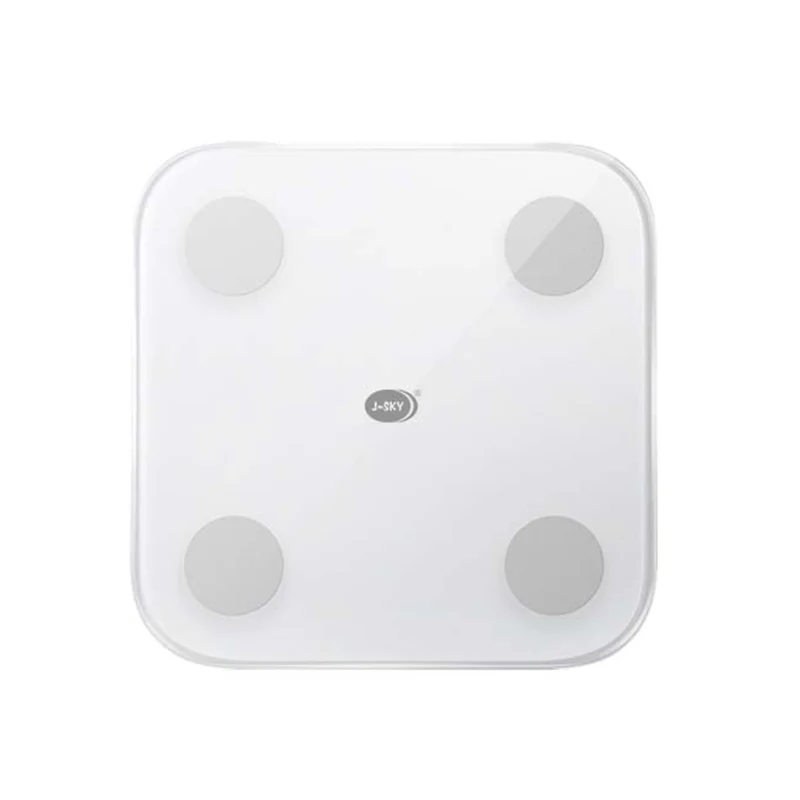
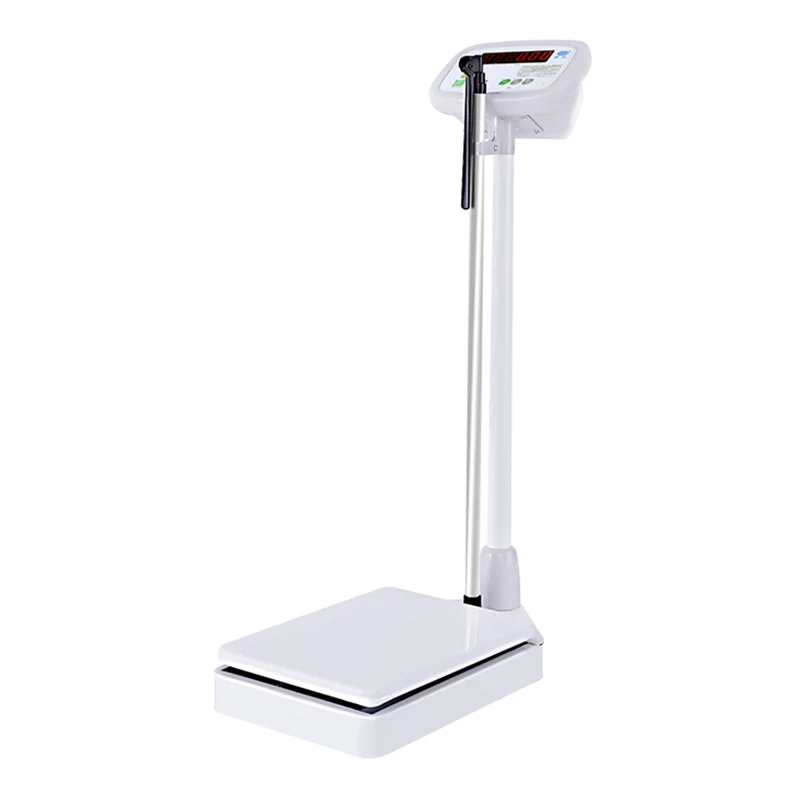
Accuracy is one of the most important aspects when it comes to professional measurement equipment. Whether used in hospitals, fitness centers, or laboratories, a Height and Weight Scale must deliver precise results. This article explores in depth how often scales should be calibrated, the factors that affect calibration frequency, and the professional procedures that ensure reliable performance. With over two decades of experience in the weighing industry, Jiangsu Jutian Weighing Equipment Co., Ltd. shares practical guidance to help customers maintain their scales in optimal condition.
Table of Contents
- 1. Understanding Calibration: Why It Matters
- 2. Factors Influencing Calibration Frequency
- 3. Professional Calibration Procedures
- 4. Recommended Calibration Schedule for Height and Weight Scale
- 5. Maintenance Tips to Extend Accuracy
- FAQs: How Frequently Should the Scale be Calibrated?
- Conclusion
Understanding Calibration: Why It Matters
Calibration is the process of comparing a scale’s readings against a known standard to ensure accuracy. Over time, all weighing instruments experience minor drifts due to environmental conditions, usage, and material fatigue. For a Height and Weight Scale, even a small deviation can lead to inaccurate readings, which might affect medical evaluations, fitness tracking, or industrial inspections.
At our factory, we use certified reference weights to perform regular calibrations. This ensures that each J-SKY unit maintains consistency and meets both national and international measurement standards. By calibrating periodically, users not only maintain accuracy but also prolong the scale’s operational lifespan and reliability.
Factors Influencing Calibration Frequency
Several variables determine how often a Height and Weight Scale should be calibrated. Understanding these factors helps users create a suitable schedule for their environment and usage intensity.
| Factor | Impact on Calibration | Recommended Frequency |
| Usage Frequency | Daily use increases wear and mechanical stress | Monthly or Quarterly |
| Environmental Conditions | Humidity, dust, and temperature variations affect sensor performance | Every 2–3 months |
| Load Capacity | Frequent weighing near maximum load requires more calibration | Every 1–2 months |
| Transport or Relocation | Movement may alter internal settings or alignment | After each relocation |
| Application Type | Medical and laboratory uses demand stricter accuracy | Monthly |
| Regulatory Standards | Compliance with metrology regulations may require certification | As per regulation (often yearly) |
| Component Aging | Sensor drift and electronic fatigue occur over time | Every 6 months |
| Manufacturer’s Guidelines | J-SKY recommends regular checks for all models | Quarterly |
Professional Calibration Procedures
Our calibration process follows a strict sequence to ensure every Height and Weight Scale meets precision requirements. First, the scale is cleaned and visually inspected. Second, certified test weights are applied in ascending and descending order to detect linear deviations. Third, the scale’s firmware and sensors are adjusted if necessary. Finally, a performance verification report is issued by Jiangsu Jutian Weighing Equipment Co., Ltd., guaranteeing accuracy before delivery.
We also encourage clients to keep a calibration logbook. This documentation helps track adjustments, detect trends, and demonstrate compliance during audits or certifications. At our factory, we maintain a detailed digital record of each product’s calibration history for traceability and quality assurance.
Recommended Calibration Schedule for Height and Weight Scale
While there is no universal interval for calibration, general guidelines apply based on industry practice and equipment usage. The following recommendations are provided by J-SKY to help users develop consistent routines.
| Type of Use | Environment | Suggested Calibration Interval | Remarks |
| Hospital or Clinic | Indoor, temperature-controlled | Every 30–45 days | High-accuracy medical data required |
| Fitness Center | Public area, frequent use | Every 2–3 months | Moderate wear due to heavy usage |
| Industrial Site | Outdoor or dusty conditions | Monthly | Environmental fluctuations impact sensors |
| Home or Personal Use | Stable environment | Every 6–12 months | Minimal stress on components |
| Laboratory Measurement | Precision-controlled environment | Monthly | Strict metrological accuracy required |
Maintenance Tips to Extend Accuracy
Calibration alone cannot guarantee long-term accuracy unless supported by proper maintenance. Users of Height and Weight Scale products should regularly clean the equipment, avoid overloading, and ensure it is placed on a stable, level surface. Power surges and static discharge can also affect electronic components, so protective grounding is recommended.
At our factory, every J-SKY scale undergoes mechanical reinforcement and electronic calibration before shipment. We also offer guidance on environmental setup and preventive care. Keeping dust away from load cells and recalibrating after major maintenance are key practices to sustain accuracy. Jiangsu Jutian Weighing Equipment Co., Ltd. provides long-term technical support and replacement calibration kits upon customer request.
FAQs: How Frequently Should the Scale be Calibrated?
Q1: How frequently should a Height and Weight Scale be calibrated?
A1: Generally, calibration should be performed every one to three months depending on usage intensity, environmental stability, and application precision requirements.
Q2: What signs indicate that my scale needs recalibration?
A2: If readings fluctuate, fail to return to zero, or show inconsistent results under the same load, recalibration is needed immediately.
Q3: Can I calibrate my scale myself?
A3: Yes, some J-SKY models allow user-level calibration using standard test weights, but professional calibration from our factory is recommended for certified accuracy.
Q4: Does moving the scale affect calibration?
A4: Yes, relocation can disturb sensor alignment. A calibration check should always be performed after moving a Height and Weight Scale.
Q5: How long does professional calibration take?
A5: Typically, the process takes one to two hours, including testing, adjustment, and certification by Jiangsu Jutian Weighing Equipment Co., Ltd.
Q6: What happens if I skip calibration?
A6: Skipping calibration can lead to inaccurate measurements, data errors, and potential compliance violations in regulated industries.
Q7: Are there automatic calibration features?
A7: Some advanced J-SKY models include self-calibration sensors that adjust internally, though manual verification remains essential for accuracy assurance.
Q8: How should I store my Height and Weight Scale when not in use?
A8: Store it in a dry, clean area away from vibrations and extreme temperatures to preserve calibration stability and mechanical integrity.
Conclusion
Regular calibration is not just a technical necessity; it is an investment in accuracy, reliability, and compliance. By understanding how frequently a Height and Weight Scale should be calibrated and following best practices, users can ensure consistent and trustworthy results for years. With continuous innovation from J-SKY and quality assurance by Jiangsu Jutian Weighing Equipment Co., Ltd., our clients can rely on our weighing solutions for professional precision and long-term durability.
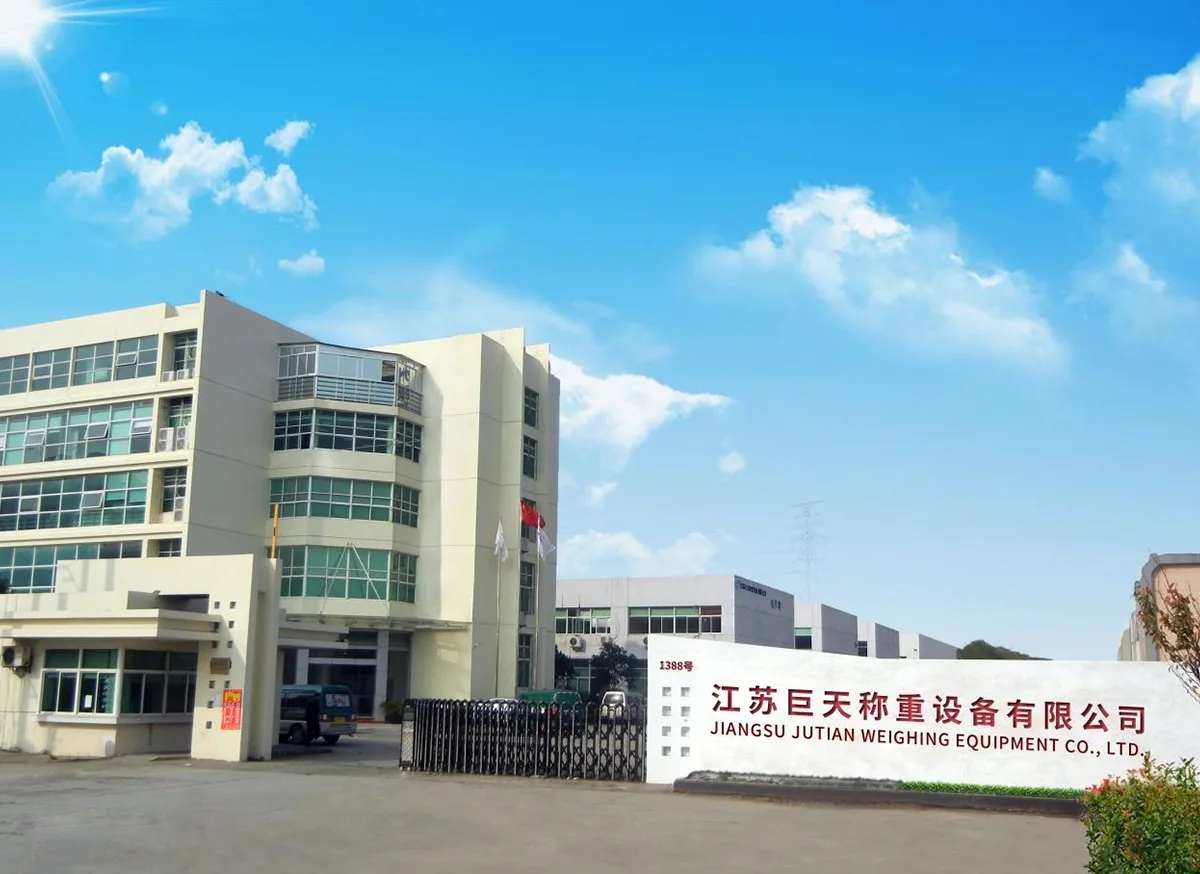
Jiangsu Jutian Weighing Equipment Co., Ltd., founded by Mr. Sun Haiqing, has specialized in the weighing industry for over 20 years. Our product range covers intelligent weighing equipment, electronic scales, heavy inspection machines, weighbridges, drum and platform scales, filling and sorting systems, and height and weight scales. With rich expertise and advanced manufacturing, we deliver precise, reliable, and customized weighing solutions worldwide. Contact us today to discover the right weighing system for your business.
Related News
- Technical Features of Weighing Machines.
- Electronic Table Scale Overview.
- The core reason for the price difference in drum checkweighers.
- What is High Speed Checkweigher: How It Works and Why It Matters in Modern Manufacturing
- How Electronic Table Scale Improves Accuracy and Efficiency in Modern Weighing Operations
- How Does an Electronic Weighbridge Improve Industrial Efficiency?
Leave me a message