English
- English
- Español
- Português
- русский
- Français
- 日本語
- Deutsch
- tiếng Việt
- Italiano
- Nederlands
- ภาษาไทย
- Polski
- 한국어
- Svenska
- magyar
- Malay
- বাংলা ভাষার
- Dansk
- Suomi
- हिन्दी
- Pilipino
- Türkçe
- Gaeilge
- العربية
- Indonesia
- Norsk
- تمل
- český
- ελληνικά
- український
- Javanese
- فارسی
- தமிழ்
- తెలుగు
- नेपाली
- Burmese
- български
- ລາວ
- Latine
- Қазақша
- Euskal
- Azərbaycan
- Slovenský jazyk
- Македонски
- Lietuvos
- Eesti Keel
- Română
- Slovenski
- मराठी
- Srpski језик

What Are Electronic Weighing Instruments?
Electronic Weighing Instruments play a vital role in modern industry, commerce, logistics, laboratories, and daily life. From ensuring fair trade in retail to guaranteeing accuracy in industrial production and scientific research, these instruments have become indispensable tools across countless sectors. However, many buyers and users still face challenges such as inconsistent accuracy, poor durability, lack of technical support, and difficulty choosing the right model for their application.
This in-depth guide is designed to answer those concerns in a clear and practical way. By exploring how Electronic Weighing Instruments work, where they are used, how to choose the right system, and how professional manufacturers like Jiangsu Jutian Weighing Equipment Co., Ltd. solve real customer pain points, this article aims to be a reliable reference for decision-makers and technical users alike.
Article Abstract
This article provides a comprehensive overview of Electronic Weighing Instruments, explaining their working principles, classifications, core components, and real-world applications. It addresses common customer challenges such as accuracy drift, environmental interference, maintenance complexity, and compliance requirements. The article also highlights how Jiangsu Jutian Weighing Equipment Co., Ltd. delivers reliable, high-precision weighing solutions through advanced technology, strict quality control, and professional service. Practical tables, structured lists, and a detailed FAQ section help readers make informed purchasing and usage decisions.
Table of Contents
- Understanding Electronic Weighing Instruments
- How Electronic Weighing Instruments Work
- Main Types of Electronic Weighing Instruments
- Key Components and Technologies
- Applications Across Different Industries
- Common Customer Pain Points and Challenges
- How Jiangsu Jutian Weighing Equipment Co., Ltd. Solves These Problems
- How to Choose the Right Electronic Weighing Instrument
- Maintenance, Calibration, and Long-Term Reliability
- Comparison Table of Common Weighing Instruments
- Frequently Asked Questions
Understanding Electronic Weighing Instruments
Electronic Weighing Instruments are devices that measure mass or weight using electronic components rather than purely mechanical mechanisms. Unlike traditional mechanical scales, electronic systems rely on sensors, signal processing circuits, and digital displays to provide precise, fast, and repeatable measurements.
These instruments are designed to meet a wide range of requirements, from simple retail price-computing scales to highly sensitive laboratory balances capable of detecting micro-level changes. With the rapid development of electronics, materials science, and data processing, Electronic Weighing Instruments have evolved into intelligent systems that can integrate with software platforms, production lines, and data management systems.
How Electronic Weighing Instruments Work
At the core of most Electronic Weighing Instruments is a load sensor, commonly known as a load cell. When an object is placed on the weighing platform, the load cell deforms slightly under the applied force. This deformation generates an electrical signal proportional to the weight.
The signal is then amplified, filtered, and converted from an analog signal into a digital value by an analog-to-digital converter. The digital signal is processed by a microcontroller, which applies calibration data and displays the final weight result on a digital screen or transmits it to external systems.
This electronic process enables high accuracy, fast response times, and additional features such as data storage, connectivity, and automation—key advantages over mechanical alternatives.
Main Types of Electronic Weighing Instruments
Electronic Weighing Instruments can be categorized based on their design, capacity, and application. Understanding these types helps users select the most suitable solution.
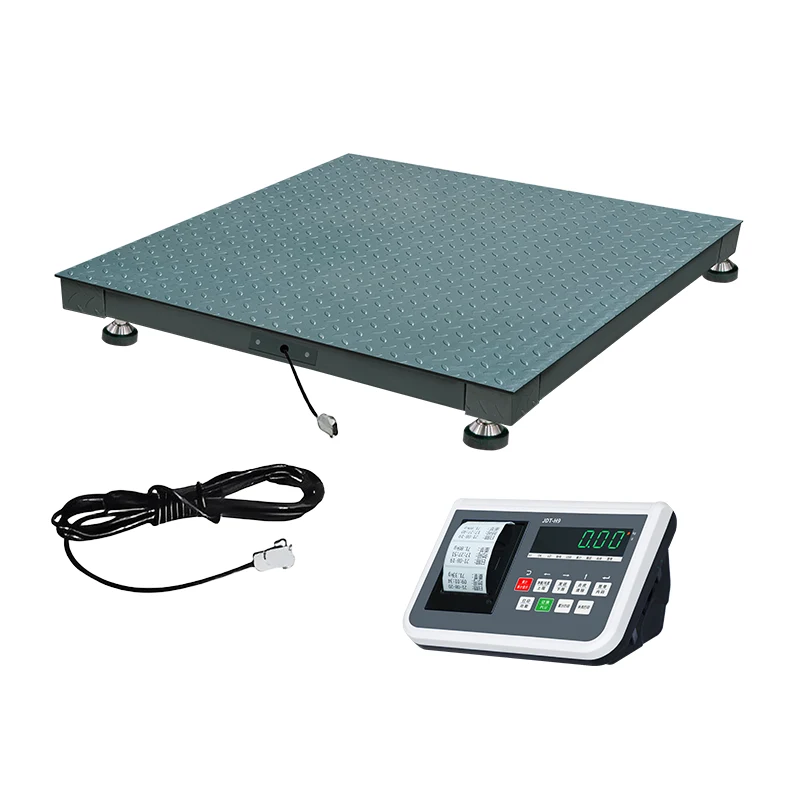
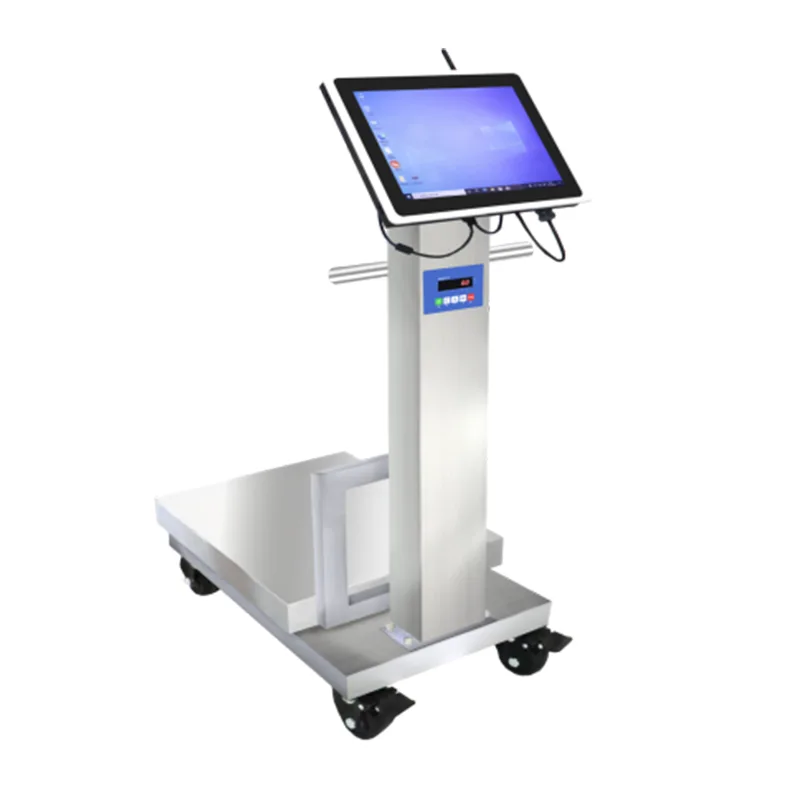
- Electronic Platform Scales: Used for industrial and commercial weighing of goods, pallets, and materials.
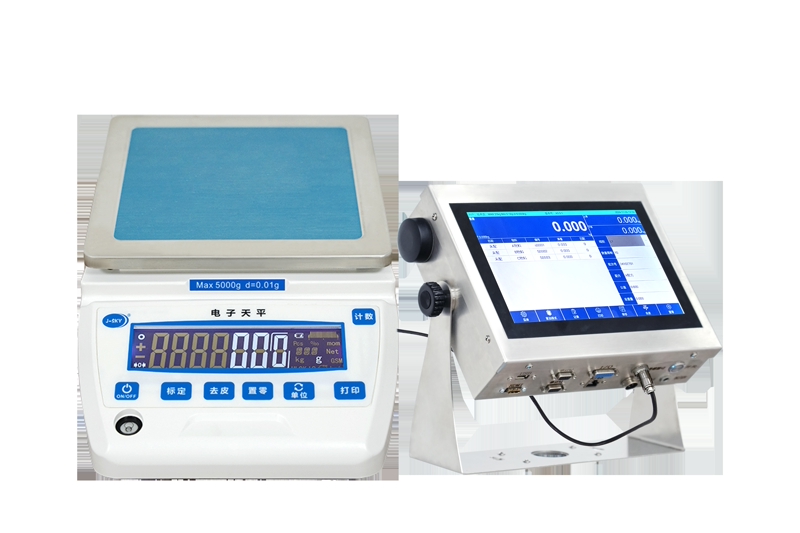
- Electronic Bench Scales: Compact and versatile, commonly used in warehouses and workshops.
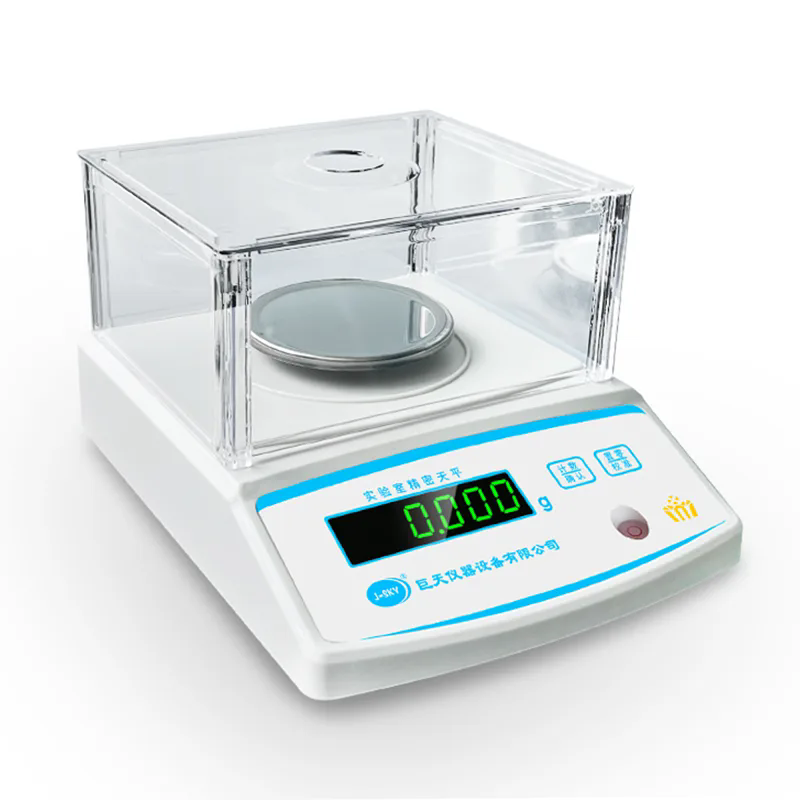
- Electronic Analytical Balances: High-precision instruments for laboratories and research institutions.
- Electronic Counting Scales: Designed for parts counting in manufacturing and inventory management.
- Electronic Crane Scales: Used for heavy loads suspended from cranes or hoists.
- Electronic Truck Scales: Large-scale systems for weighing vehicles in logistics and mining.
Key Components and Technologies
The performance of Electronic Weighing Instruments depends heavily on the quality and integration of their core components.
- Load Cells: The primary sensing element, available in strain gauge, shear beam, compression, and bending beam designs.
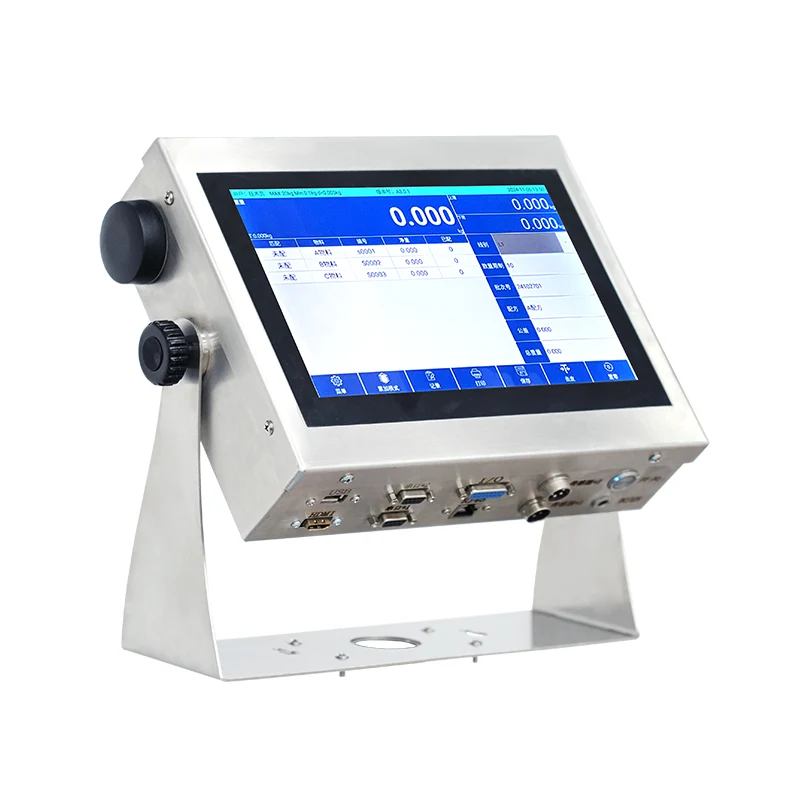
- Indicators: Digital displays and control units that process and show weight data.
- Signal Processing Circuits: Ensure stable, noise-free measurement signals.
- Power Systems: AC power, rechargeable batteries, or hybrid solutions for flexible operation.
- Communication Interfaces: RS232, RS485, USB, Ethernet, and wireless options for data integration.
Manufacturers like Jiangsu Jutian Weighing Equipment Co., Ltd. focus on optimizing each of these components to ensure long-term stability and reliability.
Applications Across Different Industries
Electronic Weighing Instruments are widely applied across multiple sectors due to their adaptability and precision.
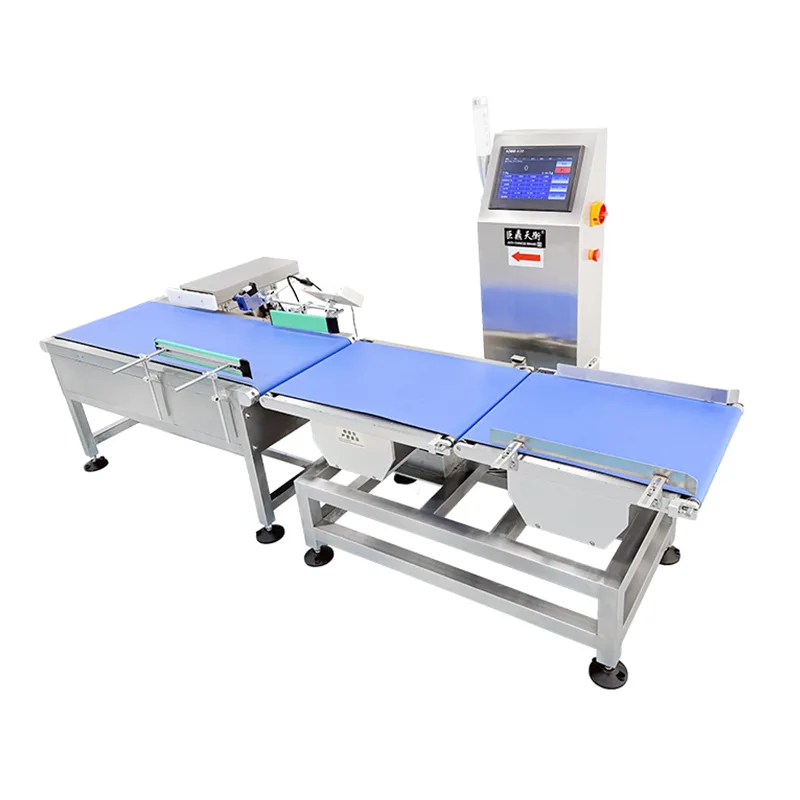
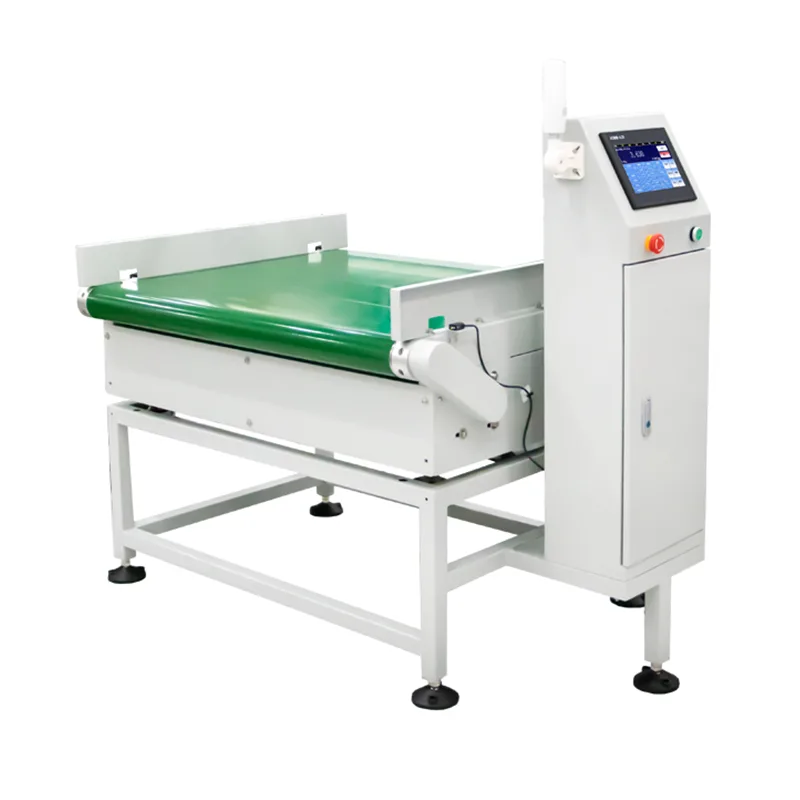
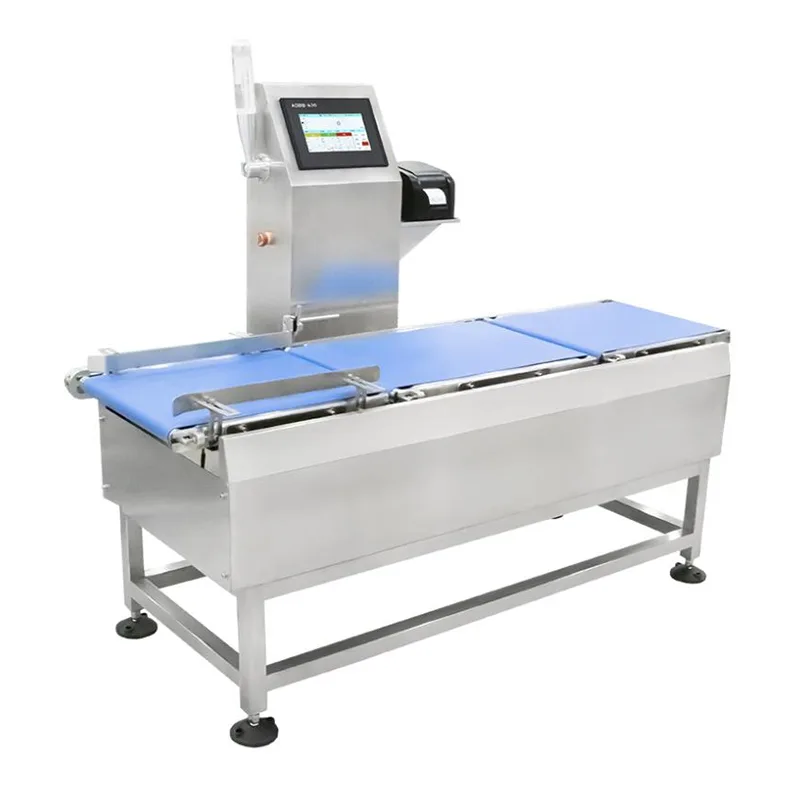
- Manufacturing: Quality control, batching, and process monitoring.
- Logistics and Warehousing: Cargo weighing, inventory management, and shipping verification.
- Agriculture: Crop weighing, livestock management, and feed control.
- Retail and Commerce: Fair trade, price calculation, and transaction transparency.
- Healthcare and Laboratories: Accurate measurement for diagnostics, research, and formulation.
Common Customer Pain Points and Challenges
Despite their advantages, users often encounter several issues when selecting or using Electronic Weighing Instruments.
- Inconsistent accuracy caused by temperature changes or vibration
- Short service life due to poor component quality
- Complex calibration and maintenance procedures
- Lack of compliance with regional standards and regulations
- Insufficient technical support after purchase
These challenges can lead to operational inefficiencies, financial losses, and compliance risks.
How Jiangsu Jutian Weighing Equipment Co., Ltd. Solves These Problems
Jiangsu Jutian Weighing Equipment Co., Ltd. has built a strong reputation by focusing on reliability, precision, and customer-centric solutions.
- Use of high-quality load cells with excellent temperature compensation
- Strict quality inspection at every production stage
- User-friendly calibration and intuitive interfaces
- Compliance with international and regional weighing standards
- Professional pre-sales consultation and after-sales technical support
By addressing both technical and service-related concerns, Jiangsu Jutian Weighing Equipment Co., Ltd. helps customers achieve stable, long-term performance from their weighing systems.
How to Choose the Right Electronic Weighing Instrument
Selecting the right Electronic Weighing Instrument requires careful evaluation of your specific needs.
- Maximum capacity and required accuracy
- Environmental conditions such as humidity, dust, and vibration
- Integration requirements with existing systems
- Regulatory and certification requirements
- Availability of service and technical support
Consulting experienced manufacturers like Jiangsu Jutian Weighing Equipment Co., Ltd. can significantly reduce selection risks.
Maintenance, Calibration, and Long-Term Reliability
Proper maintenance is essential for ensuring consistent performance. Regular calibration, routine inspections, and correct usage practices help extend the service life of Electronic Weighing Instruments.
Jiangsu Jutian Weighing Equipment Co., Ltd. provides clear maintenance guidelines and professional calibration support, ensuring that customers maintain accuracy and compliance over time.
Comparison Table of Common Weighing Instruments
| Type | Capacity Range | Accuracy Level | Main Application |
|---|---|---|---|
| Platform Scale | 30 kg – 5,000 kg | Medium | Industrial and commercial |
| Analytical Balance | 0.1 g – 500 g | Very High | Laboratories |
| Crane Scale | 1 t – 50 t | Medium to High | Heavy lifting |
Frequently Asked Questions
Q: How often should Electronic Weighing Instruments be calibrated?
A: Calibration frequency depends on usage intensity and regulatory requirements, but regular calibration ensures accuracy and compliance.
Q: Can Electronic Weighing Instruments be used in harsh environments?
A: Yes, with proper protection and industrial-grade components, they can operate reliably in challenging conditions.
Q: What makes Jiangsu Jutian Weighing Equipment Co., Ltd. different?
A: The company combines advanced technology, strict quality control, and comprehensive service to deliver dependable solutions.
Q: Are these instruments suitable for system integration?
A: Modern Electronic Weighing Instruments support multiple communication interfaces for seamless integration.
Q: How can users extend the lifespan of their weighing equipment?
A: Proper installation, routine maintenance, and professional support are key factors.
Related News
- Technical Features of Weighing Machines.
- Electronic Table Scale Overview.
- The core reason for the price difference in drum checkweighers.
- What is High Speed Checkweigher: How It Works and Why It Matters in Modern Manufacturing
- How Electronic Table Scale Improves Accuracy and Efficiency in Modern Weighing Operations
- How Does an Electronic Weighbridge Improve Industrial Efficiency?
Leave me a message